




-
 Why Crop Rotation? Crop rotation is a time-tested agricultural practice that helps prevent soil depletion, reduces pest and disease buildup, and enhances soil fertility. By strategically rotating your crops, you can enjoy higher yields, better pest management, and a more resilient farming system. What You?ll Learn: The Fundamentals of Crop Rotation: Understand the principles and benefits of crop rotation, including how it improves soil structure and fertility. Choosing the Right Crops: Learn how to select the best crops for your climate and soil type, including legumes, grains, and vegetables. Practical Crop Rotation Plans: Explore step-by-step crop rotation schedules tailored to various farming conditions. Weed and Pest Management: Discover effective strategies to control weeds and pests through crop rotation, reducing reliance on synthetic chemicals. Sustainable Farming Practices: Gain insights into how crop rotation contributes to sustainable agriculture and enhances ecosystem health. Key Features: Easy-to-Understand Language: This eBook is written in clear, simple language, making it accessible for all levels of agricultural experience. Practical Tips and Techniques: Each chapter includes actionable advice and proven methods that you can implement immediately on your farm or garden. Illustrations and Diagrams: Visual aids to help you grasp complex concepts and visualize crop rotation strategies. Resource Section: A curated list of additional resources for further learning, including links to relevant studies, articles, and farming organizations. Who Is This eBook For? Farmers looking to increase productivity and soil health. Gardeners wanting to grow a diverse range of crops efficiently. Agricultural students and enthusiasts seeking foundational knowledge in sustainable farming practices. Environmental advocates interested in promoting eco-friendly agricultural methods.
The Power of Crop Rotation: A Guide to Improving Soil Fertility and Maximizing Crop Yields
₦9,100.00 -
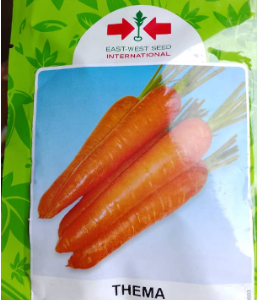 Thema Thema is a premium variety of carrot produced by East West Seed Company Limited. This variety is very easy to grow and will bear big, sweet fruits. Thema has excellent resistance to Alternaria and to other diseases. It is extremely productive, with good tops and storage. It is ideal for dicing when harvested. When mature, the offered variety has an exterior deep orange colour. It is large and has a rounded tip. Ensure that these seeds are planted in loose sandy soil, preferably during the colder growing season. ? Carrots: Ideal planting site Carrots require a site that receives maximum sunshine, but they can also withstand partial shade. As discussed above, the soil must be loose, sandy or loamy, and airy so that the carrot roots can easily pass down into the soil. ? Thema: Planting guide Gently mulch around the carrot stem to maintain moisture, speed up germination, and keep the heat from touching the roots directly. When the seedlings are an inch tall, ensure they are 3 or 4 inches apart. Snip the tops with the scissors instead of dragging them out to avoid destroying the delicate roots of the remaining plants. Water at least one inch per week at the start, then two inches as roots mature. Weed with scrutiny, however, be vigilant not to disturb the roots of young carrots while doing so. Fertilize with a little NPK fertilizer for 5 to 6 weeks after sowing.
Thema Carrot Seeds (East West Seed Brand ) | 50g
₦16,250.00 -
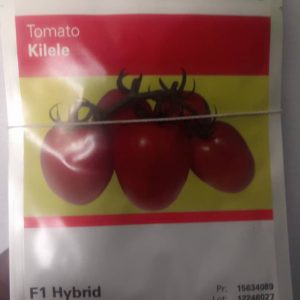 Tomato Kilele F1 Tomato Kilele F1 is a determinate hybrid of tomato with an excellent sweet taste. This variety is known for the high production of oval-shaped and very firm fruits. In addition, it is ideal for all domestic African markets where elongated fruits are requested. Kilele F1: Features Nursery period: 3-4 weeks. Earliness: Medium early. Maturity: 75 days after transplanting. Plant: Determinate, very vigorous, good cover, and high yielding. Production/Yield: 30-35 tons/acre under good agricultural practices. Fruit: Very firm elongated, non-green back, smooth and firm oval fruits with an average fruit weight of 120-130gm. Shape: Oval. Shelf life: Over 21 days. Disease tolerance: Tomato Yellow Leaf Curl Virus (TYLCV) Tomato Mosaic Virus (ToMV): 0-2 Verticillium & Fusarium Wilt (race 1 and 2) Nematodes (Meloidogyne incognita/++) Weeding tomato farm: This should be done at regular intervals. Watering of tomato farm: Soon after transplanting, seedlings should be watered every morning and evening till the plants are able to stand on their own. Fertilizer Application in tomato farming: Apply N.P.K 15:15:15 fertilizer to each plant of tomato three weeks after transplanting at 250kg/hectare, or apply any organic manure like compost or farmyard manure at 30-40 metric tons per hectare. Staking of tomato: Provide stakes to enable the tomato plants to stand erect and prevent lodging. Stems are tied or trained to the stakes. Staking allows for good fruiting of the plant of tomato and keeps fruits from disease attack. Arising from contact with soil. Staking should be done before flowering. The maturity period of tomato: This occurs between two to four months after planting. Methods of tomato Harvesting: Matured or ripe fruits are harvested by handpicking and stored in a dry, cool place. Harvesting starts from two months. Tomato Processing: Tomato is either used or consumed after harvesting, or it can be processed into tomato juice or paste. Storage of tomato: It can be stored as a canned paste. Nutritional facts of tomatoes The water content of tomatoes is about 95%, with the other 5% being mainly carbohydrates and fibre. Tomatoes are also good sources of vitamins and minerals such as vitamin C, potassium, vitamin K, vitamin B9 (folate), etc. Including tomatoes in the diet can help prevent cancer, maintain healthy blood pressure and reduce blood glucose levels in people with diabetes Furthermore, they contain key carotenoids like lutein and lycopene. These can protect the eye against light-induced damage
Tomato Kilele F1 | Hybrid
₦37,375.00 -
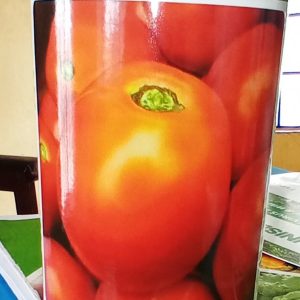 Tomato Mona F1 50g hybrid seeds from Technisem are one of the best in Nigeria for the rainy season. The Tomato Mona F1 indeed has an excellent fruit setting and quality. It has a strong capacity both in dry and heavy rainy seasons. Product Features Strength:?Vigorous Shape:?Thick round Firmness:?Very good firmness Color:?Vivid red at full maturity Maturity:?65 to 70 days after transplanting Resistance:?Bacterial wilt. Package size: 50g Health benefits of Tomato Mona F1 50g Many health benefits have been attributed to tomatoes, and many of these can be linked with the high antioxidants, vitamin, and mineral composition of the fruit. It also promotes good eye health because they are high in vitamin A, which is known to protect the retina and cornea. As well as this, it helps the eye to filter harmful UV rays because of the flavonoid called zeaxanthin it contains. They help to boost the immune system, giving your body extra protection against colds and other viruses because of their high Vitamin C content. Contains the major dietary source of the antioxidant lycopene, which has been linked to many health benefits, including reduced risk of heart disease and cancer. They are also a great source of vitamin C, potassium, folate, and vitamin K. It contains Potassium an essential mineral, which helps prevent blood pressure and heart disease. Calories:?18 Water:?95% Protein:9 grams Carbs:9 grams Sugar:6 grams Fiber:2 grams Fat:2 grams Growing Mona F1 Tomato Sprinkle the seed thinly onto good-quality seed compost. Cover with 1.5mm of compost and water lightly with a watering can. Sow two seeds into a 7.5cm pot. Keep the compost moist but be careful not to overwater as wet conditions can encourage ?damping-off? disease and other mold problems. After germination, remove the smaller plant. Transplant the tomato seedlings as soon as they are big enough to handle. Hold the plants by the leaves. Taking care not to touch the stems, transplant them into 7.5cm pots. Protect the plant from frost, cold winds, droughts, etc. If you want to grow them outside, plant tomatoes about 45cm apart leaving 75cm between the rows with enough sunlight.
Tomato Mona F1 50g
₦0.00 -
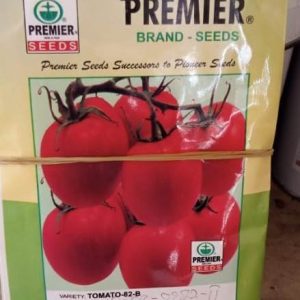 Tomato UC82B Seeds We sell UC82B Tomato Seeds which have gone through an intensive breeding program to become one of the leading seed varieties for tomatoes. Tomato (Lycopersicon esculentum) belongs to the family Solanaceae and is one of the most widely eaten vegetables in the world. It can be eaten fresh or in multiple processed forms. The UC 82B tomato seeds germinate to produce high-quality tomato fruits which are the early determinant type with good keeping quality. In addition, the fruits are firm, reddish and somewhat square-shaped. In recent decades, consumption of tomatoes has been associated with the prevention of several diseases mainly due to the content of antioxidants including carotenes, ascorbic acid and phenolic compounds. Read on to discover more information about the product: ? Tomato UC82B: Product features Variant: UC82B Features: early determinant type, firm, square-shaped, red fruit with good keeping quality. Planting season: dry and wet seasons Seed rate: 0.4-0.6 kg/ha Maturity days: 125 Yield: 30-35 t/ha Germination: 7-14 days Sow depth: 0.5 to 1cm ? Growing tomato seeds Sprinkle the seed thinly onto good quality seed compost. Cover with 1.5mm of compost and water lightly with a watering can. If you are growing a few plants? Sow two seeds into a 7.5cm pot. Keep the compost moist but be careful not to overwater as wet conditions can encourage ?damping-off? disease and other mould problems. After germination, remove the smaller plant. Pot-on the tomato seedlings as soon as they are big enough to handle. Hold the plants by the leaves. Taking care not to touch the stems, transplant them into 7.5cm pots. Protect the plant from frost, cold winds, droughts, etc. If you want to grow them outside? Make sure you dig in plenty of garden compost or manure just before planting, because tomatoes are hungry plants! Plant tomatoes about 45cm apart leaving 75cm between the rows. ? Note: Tomato plants need a lot of watered and fed with manure if they are to produce a bountiful crop. For best result, water little and often!
Tomato UC82B Seeds (Premier Seeds Brand | Sachet | Tin)
₦0.00 -
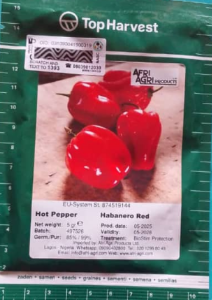 Top Harvest Hot Pepper Seeds ? High-Yield, Extra Hot & Disease-Resistant Variety Top Harvest Hot Pepper is a premium, high-performing hot pepper variety bred for farmers, gardeners, and commercial growers seeking excellent pungency, uniform fruits, and high market value. This variety produces vigorous plants with abundant yields of bright, glossy peppers known for their intense heat, strong aroma, and long shelf life. It is well adapted to tropical and subtropical climates, making it ideal for cultivation across Africa. Whether grown for fresh consumption, drying, processing, or local markets, Top Harvest Hot Pepper delivers consistent quality and superior returns. Key Features & Benefits ?? Extra Hot & Spicy Flavor ? Strong pungency suitable for local and international cuisines ?? High Yield Potential ? Produces numerous uniform fruits per plant ?? Good Disease Tolerance ? Reduces crop loss and improves farm productivity ?? Excellent Field Performance ? Thrives in tropical growing conditions ?? Long Shelf Life ? Maintains freshness and firmness after harvest ?? High Market Demand ? Ideal for fresh markets, processing, and export Fruit Characteristics Fruit Color: Green (immature) turning bright red at maturity Fruit Shape: Elongated, smooth, and uniform Pungency Level: Very hot Skin Texture: Glossy and firm Market Appeal: Highly attractive to consumers Agronomic Information Crop Type: Hot Pepper (Capsicum spp.) Germination Period: 7?10 days Maturity: 70?85 days after transplanting Plant Habit: Strong, erect growth with good canopy Adaptation: Suitable for open field and irrigated farming Recommended Regions: Tropical and subtropical areas Planting & Growing Guide Start seeds in a nursery and transplant healthy seedlings after 4?5 weeks Maintain spacing of 50?60 cm between plants Requires well-drained, fertile soil with good organic matter Regular watering and proper fertilizer application improve yield Timely pest and disease management ensures optimal performance Uses Fresh pepper sales Pepper powder and dried pepper production Local soups, stews, and sauces Commercial processing and export Why Choose Top Harvest Hot Pepper? Top Harvest Hot Pepper stands out for its consistent yield, strong heat, and excellent adaptability, making it a reliable choice for both smallholder and commercial farmers. With its high consumer demand and strong agronomic traits, it guarantees better profitability and farming success. Order Top Harvest Hot Pepper Seeds Today Boost your pepper production with Top Harvest Hot Pepper ? the dependable hot pepper variety that delivers heat, yield, and profit
Top Harvest Hot Pepper Seeds
₦18,200.00 -
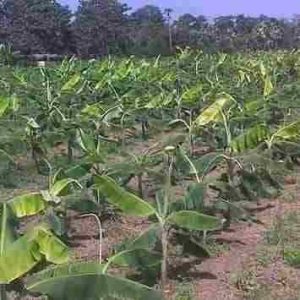 Treated Dwarf Hybrid Banana Suckers Treated Dwarf Hybrid Banana Suckers are planting materials of the banana fruit of genus Musa and family Musaceae. The sucker is a lateral shoot that develops from the rhizome and usually emerges close to the parent plant. Product Features of Treated Dwarf Hybrid Banana Suckers Treated Dwarf Hybrid Banana Suckers starts fruiting 9-11 months after planting date. Treated dwarf hybrid banana sucker can adapt to a wide range of ecosystems High and healthy yield potential. Resists disease caused from bacterial, fungal, viral and nematode infestation. Produces banana of an average length of 6-10 inches. The bananas contain about 74% water, 23% carbohydrate, 1% protein, and 0.5% fat. The skin of the banana is green at initial stage and eventually turns yellow when the banana is ripe and the inner flesh is white. Benefits of Treated Dwarf Hybrid Banana Suckers The healthy yield of Treated Dwarf Hybrid Banana Suckers makes cultivation easy and more profitable for farmers. Banana plantations from this sucker are not susceptible to attack by microorganisms hence increasing the long term productivity of the banana tree and the shelf-life of the banana fruit. Its fruit is a good source of vitamin B6, potassium and fiber. These are necessary nutrients in the body. Its fruit may be considered a mood enhancer because it contains the amino acid, tryptophan and vitamin. Produces a nutritious fruit that has an attractive flora that is used in the home landscape. ? Place your order for your Treated Dwarf Hybrid Banana Suckers, we deliver nationwide.
Treated Dwarf Hybrid Banana Suckers
₦650.00 -
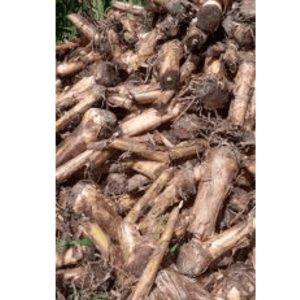 Feature of Treated Giant Hybrid banana sucker They produce high-yielding plants at an early maturity rate. Treated Giant Hybrid banana suckers typically have significant big bunch fruits and an average number of 200-250 fingers. They have a high flowering rate. Ranging from 280 days to flowering. Most are adaptive to all soil types and wind-resistant. They have resistive properties against most diseases and can survive some level of drought. They usually require a spacing of at least 2m by 3m. And also the corm of suckers should be at least 40cm inside the soil during transplanting. On transplantation the suckers should be watered deeply immediately, then two or three times per week thereafter to ensure healthy growth. Benefits of Treated Giant Hybrid banana sucker They are rich sources of antioxidants, containing vitamins A, C, and B-6, and the minerals magnesium and potassium. They are a healthy source of fibres as well. They are good with weight management and aid digestion. They have anti-cancerous properties. Help in healthy heart and mind management. They help in supporting the immune system. Good in lowering blood pressure and diabetes control. They help in resisting many diseases like those associated with undue aging.
Treated Giant Hybrid banana suckers | Cavendish| Local | Paranta
₦650.00 -
 Triple Super Phosphate Fertilizer Triple Super Phosphate (TSP) is one of the most widely used and effective phosphate fertilizers in modern agriculture, recognized for its high nutrient content and superior efficiency in promoting plant growth. It is a concentrated form of phosphate, containing a significant amount of phosphorous that plays a pivotal role in stimulating robust plant development. TSP is commonly applied to a variety of crops, including grains, vegetables, fruits, and flowers, providing essential nutrients that ensure a healthy, high-yielding harvest. This fertilizer is known for its high phosphorus content, typically ranging from 44% to 48% of phosphate (P2O5), making it an excellent source for boosting soil fertility. Chemical Composition and Production Process: Triple Super Phosphate fertilizer is produced by reacting phosphate rock with concentrated phosphoric acid, resulting in a highly concentrated form of phosphate. The chemical reaction leads to the formation of monocalcium phosphate, which is then granulated to form the final product. This process enhances the solubility of the phosphate, making it more available to plants, especially in soils with low phosphorus content. The name ?Triple Super? refers to the fact that the fertilizer contains three times the amount of available phosphorus as Single Super Phosphate (SSP), which is a less concentrated version of phosphate fertilizer. Phosphorus is a vital nutrient for plants, playing a crucial role in photosynthesis, energy transfer, root development, and flowering. As a key element in the formation of DNA, RNA, and ATP (adenosine triphosphate), phosphorus contributes to nearly every aspect of plant growth. However, phosphorus is often found in limited quantities in the soil, particularly in alkaline or neutral soils, which is why the addition of TSP is essential for maximizing crop yield and quality. Key Benefits of Triple Super Phosphate Fertilizer: Enhanced Root Development: Phosphorus in TSP helps promote strong and healthy root systems, which are critical for plants to absorb water and other nutrients from the soil. A well-developed root system ensures better plant stability and growth, especially in the early stages of development. Improved Flowering and Fruiting: Phosphorus is a key nutrient involved in the formation of flowers and fruit. By providing plants with a readily available source of phosphorus, TSP encourages higher yields and improved quality of flowers and fruits. Accelerated Plant Growth: Phosphorus contributes to energy transfer within the plant, helping in faster cell division and growth. As a result, plants treated with TSP fertilizer grow more vigorously, showing enhanced vigor and resilience. Efficient Nutrient Utilization: Since TSP contains a high concentration of soluble phosphorus, it is quickly absorbed by plant roots, ensuring that the phosphorus is readily available for plant uptake. This high solubility makes it particularly effective in low-phosphorus soils. Improved Soil Fertility: Regular use of TSP helps to improve the overall fertility of the soil by replenishing phosphorus levels that may have been depleted due to crop harvesting or leaching. Application and Usage of Triple Super Phosphate (TSP): Triple Super Phosphate is versatile and can be applied to various types of crops, including cereals, legumes, vegetables, and fruits. The typical application methods include broadcasting, side-dressing, and incorporating it into the soil prior to planting. Depending on the crop type, soil conditions, and local recommendations, the application rates can vary. It is usually applied at a rate of 50-200 kg per hectare, but it is important to follow the specific recommendations provided by agricultural experts or extension services to avoid over-application, which could lead to nutrient imbalances or environmental concerns. Environmental Considerations and Safety: While Triple Super Phosphate is highly effective in improving crop yields, it is important to use it responsibly to minimize potential environmental impact. Over-application of phosphorus can lead to nutrient runoff, which may contribute to water pollution in nearby streams and lakes. It is important to adhere to recommended application rates and avoid applying it during heavy rains or when the soil is already saturated with water. Additionally, TSP should be stored in a cool, dry place to prevent moisture absorption and clumping. Triple Super Phosphate fertilizer is a vital product for modern agriculture, providing plants with a high concentration of phosphorus that is essential for healthy growth, strong root systems, and high-quality yields. With its superior solubility, it ensures efficient nutrient uptake and rapid growth for a wide variety of crops. By using TSP as part of a well-balanced fertilization program, farmers can enhance soil fertility, improve crop performance, and ultimately increase their productivity. However, it is crucial to apply it responsibly and in accordance with soil and crop-specific needs to avoid environmental harm and ensure the sustainable growth of crops for future generations.
Triple Super Phosphate (TSP)
₦0.00 -
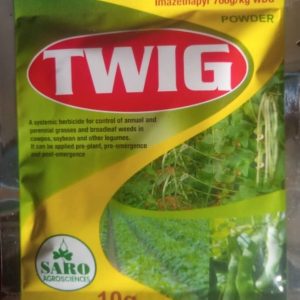 Twig Herbicide Twig is a systemic herbicide for the control of annual and perennial grasses and broadleaf weeds in cowpea soybeans and other legumes. It can be applied pre-plant, pre-emergence and post-emergence Active Ingredient in Twig Herbicide Imazethapyr 700g/kg WDG. Imazethapyr is a common member of Imidazolinone. This is a class of pesticides that works by inhibiting the enzyme acetohydroxyacid synthase which is involved in the synthesis of branched-chain amino acids in plants. They are used on such crops as soybeans, corn, rice, and peanuts. Overall, the herbicides from this class when used at low levels are relatively safe for the environment and have been demonstrated to be relatively non-toxic to mammals Dosage rate: Apply at the rate of 100g per Hectare Dilution rate: Apply 1 sachet in 20 litres of knapsack Mode of use: Apply to actively grow weeds that are in the 2-4 leaf stage For best results apply when the soil and weed are moist or at least 4 hours before rain Ensure complete coverage of the field Follow recommended dosage rate. Storage conditions: Store only in original packs in a dry place inaccessible to children, pets, and domestic animals. Protective Measures When using do not eat drink or smoke Wash hands and exposed skin immediately after spraying and before eating or drinking Protective clothing should be used with respiratory protective devices to prevent skin contact and inhalation of herbicides. Protective clothing may include rubber aprons, coveralls, chemical splash goggles, safety shoes and hard hats. Wash all protective clothing Store early after using Read carefully the product label before use Do not contaminate surface water with chemicals or used containers Dispose of empty containers after using In case of contact with the eyes flush with plenty of water for at least 15 minutes and take the patient with the open container to the doctor In case of ingestion administer medicine now or activated charcoal and take patients urgently to the doctor with the container NOTE: Read the Product Manual before usage for application instructions
Twig Herbicide | Systemic Herbicide
₦3,899.99 -
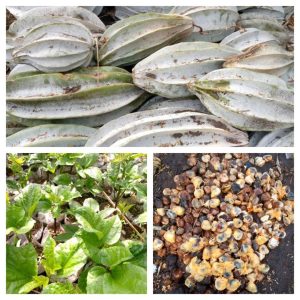 Ugu Seeds | Seedlings Ugu Seedlings? (Telfafia occidentalis)are fluted gourd, fluted pumpkin, Ugu, and Ikong-ubong. They belong to the Cucurbitaceae family and originated from West Africa. The Broad leaves Ugu seedling is a perennial climber and is grown for its leaves and seeds. They are very nutritious and medicinal. The fruits are not edible but the seeds produced by the gourd are. Ugu Seedlings are high in protein and fat and can be included in dishes to make a well-balanced diet. It is a leafy vegetable that has edible seeds. Its fruits are inedible but can be used medicinally. Ugu seedlings are drought-tolerant, dioecious, and perennial climbers. Here, we help you grow the seed organically and deliver them to you in good condition and thriving. Place your order now! Features of Ugu Seeds | Seedlings Produces dark green edible leaves. It is a leafy vegetable that has edible seeds. Ugu is drought tolerant, dioecious, and a perennial climber. They develop tendrils that creep and spread on the ground surface. Ugu seedlings grow best on sandy-loamy soils and more appropriately on beds supplied with organic or inorganic fertilizer. Ugu leaves are a culinary used to make soups, stews, vegetables, sauces, and even medicinally. They germinate 10 days after planting and can start to be consumed at 4 weeks. The leaves of Ugu are highly rich in Iron. They reduce blood sugar levels in the body. Ugu seedlings are rich in oil which is recommended antioxidant. The leaves of Ugu can be blended and used as a blood tonic because of their high protein content. The shoot and leaves of the Ugu can be consumed as vegetables and used to make soups. Ugu seedlings may be used to treat attacks of convulsion, malaria, and anaemia. Place your orders for your fluted pumpkins today, we deliver nationwide.
Ugu Seeds | Seedlings | Pods
₦1,300.00 -
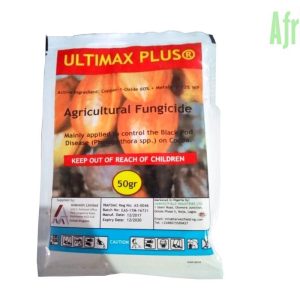 Ultimax Plus We offer Ultimax Plus which is a systemic agricultural fungicide used mainly to control the black pod disease (Phytophthora sp.) on cocoa. The product is a multi-purpose, protective, contact and residual fungicide for effective disease control and protection of field crops, fruits, vegetables, banana, pineapple, grapes, tobacco, and especially important for use in cocoa. The offered product is effective against diseases such as black pod, black spot, leaf spot, damping off, downy mildew, rust, blight, and anthracnose. In addition to the excellent fungicidal effect of our premium product, it can also be bactericidal. The active ingredient in Ultimax Plus is metalaxyl-12% plus copper (1) oxide 60% WP. ? Fungicides A fungicide is an agent that destroys or inhibits the growth of fungi. Science has proven beyond doubt that plants and animals are living things. It is also a fact that plants have disease pathogens, as animals do. Diseases of plants are either caused by bacteria, viruses, fungi, nematodes, etc. It has also been shown that although plant diseases are caused by numerous kinds of pathogens, most of them are caused by fungal infections. Consequently, one of the most available and most effective ways of controlling plant diseases is by using appropriate fungicides. To farmers, fungal infections on crops especially vegetables like tomato, cucumbers, pepper, etc. can be very devastating and there is a need to eradicate them effectively. Fungicides can be of many kinds and they are listed below: Category A: These set contains mainly of mancozeb and/or metalaxyl as active ingredients. They are mainly used in controlling diseases like early blight, powdery mildew, etc. Category B: These are very sensitive fungicides as they control serious bacteria and fungal diseases. They are made of copper oxide which can be present in different proportions. They are applied at a very early stage of plants. They control late blight, bacterial wilt, etc. Category C: They are usually the most expensive and most efficient. They control very serious fungal, viral, and bacterial diseases. They can also work for diseases listed in categories A and B. They help in the control of special diseases like anthracnose, septoria leaf spot, fusarium wilt, etc. ? Precautions when using Ultimax Plus!!! Application and timing are important to maximize the effectiveness of fungicides. Adhere strictly to the label and comply with the appropriate timing and application method. Numerous pesticides are registered for use by crop farmers and it should be noted that a fungicide cannot be legally used for any purpose other than the purpose shown on the approved label. Specific safety precautions should also be taken particularly when transporting, mixing, and applying fungicides.
Ultimax Plus (Systemic Fungicide | 50g Sachets)
₦2,340.00 -
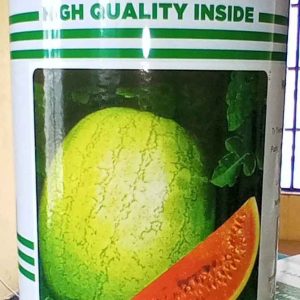 Watermelon Kaolack 500g The watermelon kaolack seeds grow as oval-shaped fruit, large size, light green peel. This cylindrical round melon is called an icebox type because it is sizeable enough to fit in the refrigerator. These seeds are widely adapted, light green on the outside and bright red, firm, and fine-grained inner flesh that is super sweet. It has wonderful resistance to fusarium and anthracnosis (Colletotrichum legendarium). This product is well-appreciated and one of the most popular watermelon seeds grown in Nigeria. Watermelon Kaolack 500g: Product features Sowing: 350-400g per hectare. Distance: 4-5 seeds per hole. Thin out when sprouted leaving the strongest plant. Days of maturity: 70-90 days. Package size: 500g. Fruit weight: 5-6kg. Fruit skin color: Light green, with fine medium green stripes. Inner flesh features: Red color, crunchy and sweet. Climatic Requirements Optimum germination temperature: 27-32?C, with night temperature not lower than 24?C.? Optimum growth temperatures at night are 18-20?C, and day 24-30?C, and for ripening 15- 25?C. 2.2 Soil Requirements Watermelon Kaolack Seeds can be grown on a wide range of soil types although sandy soils are preferred. The highest yields will generally be produced on?well-drained sandy-loam soils. Heavy clay soils, soils with obstructed drainage, or very shallow soils should be avoided. Soil pH should be about 5.8-6.2 (H2O). It is usually recommended to lime soil with pH values below 5.5 (H2O). Soil Preparation The soil must be thoroughly and deeply cultivated to obtain a good root system. This allows the optimal use of moisture and helps to prevent soil-borne diseases. The roots develop at a depth of 30-40cm and the soil structure at that level must be optimal. Soils must be free draining to below 1.2m. Plant Population And Spacing A general spacing of between 4,000 to 8,000 plants per hectare is recommended. Seedling Production The seed of triploid watermelons is notoriously sensitive to very specific conditions during germination, as the tiny embryo is contained in a relatively large, hard seed coat. Temperature and moisture control is crucial to success, and too much moisture during germination can kill the seed. Transplanting Seedlings Seedlings must be transplanted and watered as soon as possible after they have been obtained from the nursery. Planting trays should be kept cool and moist in the shade until used. When transplanting, roots should not be damaged by the application of unnecessary pressure around the root module. Soil should be watered into contact with the roots rather than pressed in. Fertilization Watermelon is reasonably sensitive to salt, displaying a 50% yield reduction in the range of EC 4-6 (mhos/cm at 25 C). Consult Farmsquare or a fertilizer or soil specialist on other remedies needed in terms of a soil sample result. Pests/Diseases They include; Aphids, Cucumber Beetles. Squash Vine Borer Moths and Fusarium Wilt. Although some of these diseases can be treated early through close monitory of the farm with agrochemicals recommended for watermelon production.
Watermelon Kaolack 500g | Treated Seed
₦0.00 -
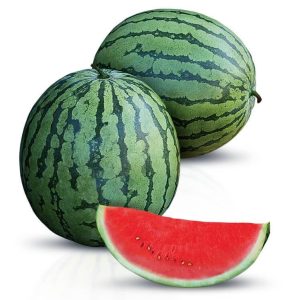 The watermelon sweet sangria F1 is a very good variety of watermelon. Watermelon is a tasty fruit. Now the sweet sangria breed is top-notch when it comes to watermelon. The elongated fruit is about 20 to 25 pounds long and the rind is predominantly highlighted with green and light green stripes. The inner flesh has a beautiful red color, and the taste is delicious. It?s so soft and so juicy. Fruit flesh is crisp, sweet and intense red. The shape is high round when mature and weights around 8 to 9 kg. Long shelf life and outstanding consistency of shipping. High resistance to cracking and gum stem blight. Watermelon Sweet Sangria F1 benefits: The seeds deliver great yields and outstanding productivity. The substance is very sweet and very nutritious when mature. High yield results in good profits for farmers Health effects Watermelon Sweet Sangria F1 has on your body Watermelons are about 92% of water. This refreshing fruit is saturated with nutrients. A juicy bite contains a lot of vitamins A, B6, and C, a lot of enzymes, lycopene and amino acids. There?s a decent amount of potassium in it, too. It is free of sugar, very low in sodium, and has just 40 calories per cup. This type of Watermelon has the highest lycopene content of any kind of fresh food. It has around 15 to 20 milligrams per serving of 2 cups. Lycopene is a phytonutrient, this is a naturally occurring compound in fruit and vegetables that interacts with the human body to cause a balanced reaction. Additionally, lycopene improves the heart wellbeing, bone and also prevents prostate cancer. It is also a potent antioxidant that is believed to have anti-inflammatory effects. If you really want to optimize your lycopene intake, let your melon mature completely. The redder your melon gets, the higher the concentration of lycopene it has. Watermelon also provides fiber that maintains a healthy digestive tract and helps keep you refreshed.
Watermelon Sweet Sangria F1 | 10g
₦13,650.00 -
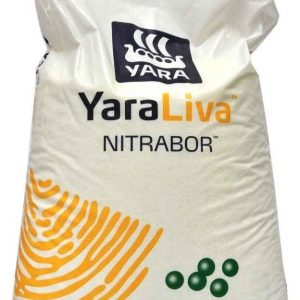 YaraLiva Nitrabor Fertilizer (15.4% N + 25.9% CaO + 0.3% B) is a field grade calcium nitrate fertilizer, with added boron suitable for field application to all crops especially brassicas which are more prone to calcium and boron deficiency. Yara Liva NITRABOR is a dense granular fertilizer that spreads accurately when placed by hand or by machine (up to 24 meters). It is a free-flowing material with a unique coating for dry applied uses. Its hygroscopic nature means that it readily dissolves when in contact with the soil in humid conditions or a night dew. This formulation offers a low risk of scorch and is often used as a final topdressing to a wide range of high-value crops that have a requirement for extra boron and where soils are low in boron. Yara Liva Nitrabor is a fast-acting calcium nitrate fertilizer specially formulated for crops requiring extra boron or for soils that are low in boron. It can be clearly distinguished from other nitrate grades by its light yellow color. Every granule contains the same ratio of nitrogen and boron, ensuring even distribution through the crop. Yara Liva?Nitrabor is best suited to high-value horticultural crops or situations where soil boron levels are low. Product Benefits Each granule contains the same ratio of nutrients, supporting even crop establishment and growth Has a low risk of crop scorch Ideal for use as a final side-dressing on horticultural crops Formulated as a standalone fertilizer, but may be blended with selected products Free-flowing, easy to handle, and spread It may be broadcast or drilled
YaraLiva Nitrabor Fertilizer | 25kg
₦0.00 -
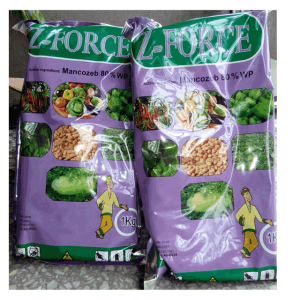 Z Force Fungicide Z Force Fungicide is a multi-purpose, preventive, contact, broad-spectrum fungicide. This fungicide has good efficacy. It is independent of the temperature and non-related to the circulation of the sap. It inhibits the germination of fungus spores. It is characterized by a good persistence on vegetation. It also has some effects against mites. It is rapidly degradable inside the soil, and safe for the environment. Z-force is a carbamates fungicide for effective disease control and protection of field crops, fruits, and vegetables. Some of which include tomato, cotton, tea, coffee, tobacco, potato, rice, oil palm, rubber, sugarcane, banana, and lawn. It controls black- spot, leaf spot, black-rot, downy mildew, anthracnose, early and late blight. ? Characteristics of Z Force Fungicide Active Ingredient: Mancozeb 80% WP Item Type: Fungicide Suitable for: Application on field crops, fruits, vegetables. Some of which includes tomato, cotton, tea, coffee, tobacco, potato, rice, oil palm, rubber, sugarcane, banana, and lawn NAFDAC? Number: A5-0224 Packaging: 1kg Sachet
Z Force Fungicide | 50g | 1KG
₦2,470.00

 No products in the cart.