


-
 Famcol-N is a combination of colistin sulphate, Neomycin sulphate and Amoxycillin trihydrate. Very effective for the treatment of a wide range of gram-negative and gram-positive organism such as salmonella, E-coli, Pasteurella etc. The presence of Amoxycillin synergies the action of the Neomycin making it more effective. It is very affordable/cost-effective with an inclusion rate of 100g to 300L for prevention and loo to 1 50L for treatment. Famcol-N helps keep chickens healthy and safe. Consumers can be confident food from animals treated with this medicine is safe. It prevents the animal from suffering. Like humans, chickens sometimes get sick from infections which can be accompanied by pain and suffering. Generally, veterinary medicine is one of the most important tools veterinarians use to protect human and animal health. It reduces the risk of resistance. This product ensures sustainable production. Responsible use will help to keep your chickens healthy and minimizes the negative impact the environment has on them. Left untreated, sick chickens grow more slowly, requiring more food and water. This is not what any farmer would want, therefore there is a need to get them protected and get treated in some cases. Composition per 100 gram: Amoxycillin Trihydrate 7500mg Colistin Sulphate: 37500000IU Neomycin Sulphate: 15,00mg Dosage/Administration Of Famcol-N Poultry Prevention: 100g in 300 litres of drinking water for 3-5 days Treatment: 100g in 150 litres of drinking water in 3-5 days Calves, Sheep, Goat 0.5g-0.75 per 10kg body weight Withdrawal Period Of Famcol-N Egg ? 4 Days Meat ? 8 Days
Famcol-N | 100G | Veterinary Medicine
₦4,289.99 -

-
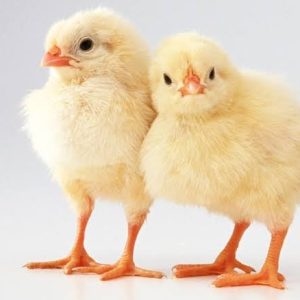 Arbor Acres Plus Arbor acres plus ? through a progressive program of breeding and selection ? have been developed to serve the increasing demand for quality white meat. Thus this breed has been?steadily improved through established breed selection processes involving traditional and novel scientific technology. This ensures consistency and value is added to the end products. Therefore, the cornerstone of the Arbor Acres brand is the highly successful and competitive?Arbor Acres Plus. The Plus is bred to produce chicken efficiently through consistent parent performance, excellent broiler performance, and good processing yield. These are of mutual benefit to the breeder farms, hatcheries, poultry farmers and customers alike.?Thus,?In markets where broilers are still mostly sold whole, its breast?conformation is sure to attract the consumers? attention. Additional tips for raising broilers Preheat the sheds three days before placement, so that when the chicks arrive the concrete and bedding will be warm enough (as the chick?s body will be in contact with the floor, thus failure to have adequate floor temperatures will mean the chicks are likely to huddle especially if the heat source is not enough). Bedding: Wood shavings are ideal. Therefore ensure there are no pieces of foreign materials (glass or metal) and ensure bedding material is dry. Always monitor your birds closely to ensure a good spread of chicks and flock activity. Strictly adhere to the vaccination and medication schedule sent to your email after purchase. Involve the services of qualified veterinary personnel as well, for the routine farm visits, vaccinations, prophylactic treatment etc.
Farm Support Broilers (Commercial Day-Old Arbor Acres Plus)
₦81,900.00 -
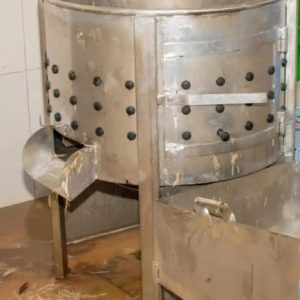 Feather Plucker We offer high-capacity poultry processing equipment (feather plucker) which is ideal for poultry farms or chicken supply shops to handle feather removal from chickens, ducks, pheasants, and quail in no time. This automated tub-type plucking machine uses rubber plucker fingers protruding from the inside of a spinning/tumbling drum to pull the feathers from the bird. This process takes less than 30 seconds, whereas manual plucking typically takes several minutes. Made of high-quality stainless steel and finely polished for solidity and durability, thus highly durable long time to use. Individual rubber fingers naturally and gently remove feathers dirt/grime from the skin of the bird. The chicken plucker is built to handle feather removal in as little as 10-30 seconds. Simply turn on the plucker, add a bird, spray water into the drum of the feather plucker. A few seconds later you will have a perfectly plucked bird, ready for further processing and packaging. This plucker is great for plucking chickens, turkey, guinea fowl, quail, and other similar-sized birds including game birds after hunting. It is ideal for use in the farming industry or even in an abattoir business. Features Stainless steel constructed. Over 50 specially designed large plucker fingers Waterproof on-off switch Can handle more chickens in one spin. Will comfortably de-feather 20 birds at a time. Directions for use Slaughter the bird Allow the blood to drain properly. Dip the chicken in hot water to scald (the temperature of the water can be adjusted depending on the toughness of the skin). Turn on the machine and drop the scalded birds into the feather plucker. The best time to turn off the machine is between 10 to 20 seconds, although this depends on the type of poultry and its skin toughness. Activate the machine via the ON/OFF switch. The base begins to rotate, causing the fingers to pluck the feathers in less than a minute. This rotation speed can be easily adjusted by tightening or loosening the belt nut underneath the machine. You can connect directly with your hose and water supply to rinse the removed feathers from the inside of the barrel and away from the birds; this will ensure the chicken plucker maintains its speed and efficiency. Thinking About Buying? Share Your Concerns & Preferences ? Click Here
Feather Plucker | 20-30 Birds Capacity | Locally Fabricated
₦2,600,000.00 -
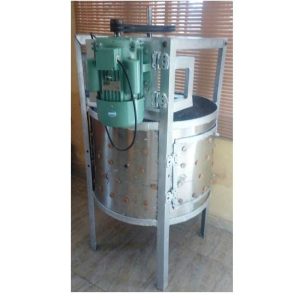 Feather Removal Machine We offer high-capacity poultry processing equipment (feather removal machine) which is ideal for poultry farms or chicken supply shops to handle feather removal from chickens, ducks, pheasants, and quail in no time. This automated tub-type plucking machine uses rubber plucker fingers protruding from the inside of a spinning/tumbling drum to pull the feathers from the bird. This process takes less than 30 seconds, whereas manual plucking typically takes several minutes. Made of high-quality stainless steel and finely polished for solidity and durability, thus highly durable long time to use. Individual rubber fingers naturally and gently remove feathers dirt/grime from the skin of the bird. The chicken plucker is built to handle feather removal in as little as 10-30 seconds. Simply grab a garden hose, turn on the plucker, add a bird, spray water into the drum, and a few seconds later you will have a perfectly plucked bird, ready for further processing and packaging. This plucker is great for plucking chickens, turkey, guinea fowl, quail, and other similar-sized birds including game birds after hunting. It is ideal for use in the farming industry or even in an abattoir business. ? Feather Removal Machine: Product features Stainless steel constructed Over 50 specially designed large plucker fingers Waterproof on-off switch Can handle more chickens in one spin. Will comfortably defeather 15 birds at a time. ? Directions for use Slaughter the bird Allow the blood to drain properly. Dip the chicken in hot water (65 to 80 degrees) to scald (temperature of the water can be adjusted depending on the toughness of the skin). Turn on the machine and drop the scalded birds into the tumbling drum. The best time to turn off the machine is between 10 to 20 seconds, although this depends on the type of poultry and its skin toughness. Activate the machine via the ON/OFF switch, the base begins to rotate, causing the fingers to pluck the feathers in less than a minute. This rotation speed can be easily adjusted by tightening or loosening the belt nut underneath the machine. You can connect directly with your hose and water supply to rinse the removed feathers from the inside of the barrel and away from the birds; this will ensure the chicken plucker maintains its speed and efficiency.
Feather Removal Machine (Big Size | 15 Birds Capacity)
₦0.00 -
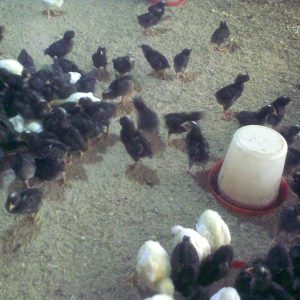 Feed Formula for Optimal Laying Birds Performance (Chicks-Pullets, Growers and Layers) E-Book
Feed Formula for Optimal Laying Birds Performance (Chicks-Pullets, Growers and Layers) E-Book
₦39,000.00 -
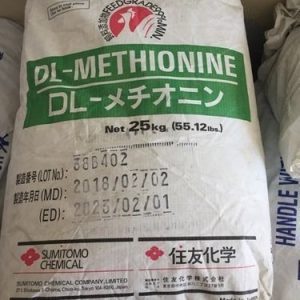 Feed grade methionine Feed grade Methionine is an essential amino acid which acts as the substrate for other amino acids such as cysteine and taurine, versatile compounds, and antioxidant glutathione. Supplementing diets with methionine Rising feed ingredient costs make it appealing to purchase lower quality feedstuffs, but the long-term price for that could be excessive. Supplementing methionine offer a safety net for productivity and added cost savings. Methionine exists as the D-methionine and L-methionine forms. While there is no difference in the chemical make-up of the two isomers, the configurations of the molecules differ. Commercial methionine and methionine hydroxy analogue produced by chemical synthesis produces both D- and L-methionine in an equal parts mixture. Commercial methionine produced by fermentation results in only the L-isomer. Why methionine matters Even with supplementation, it?s critical to ensure a balance. If one amino acid is lacking then the animal cannot synthesize additional protein. This leads to inefficient use of the feed?s nutrients, slower growth, reduced lean-muscle production and ultimately, economic loss. Lysine typically comes to mind as the first limiting amino acid in swine diets, but that is dependent on the age of pigs and type of diet. While lysine may be the first limiting amino acid for older pigs, methionine often moves into that spot for younger pigs depending on the ingredient composition of the diet. Numerous studies have shown this is particularly true in weaned-pig diets that contain high levels of spray-dried blood products or dried whey Swine? In sows, gestation and lactation place significant demands on energy levels for such things as fetal development, milk production and retaining body condition. Today?s larger, leaner, and highly productive sows require higher levels of energy and amino acids for maintenance and reproductive performance. If the diet falls short, the sow will draw from its own reserves and that can cause reproductive challenges, including delayed oestrus, poor conception, low embryo survival, declines in milk production, lower weight and reduced piglet survival rates. Adding methionine to sow diets can help even if it?s not the first limiting amino acid as it offers synergetic effects with lysine and threonine. Benefits of methionine Methionine in livestock feed is important because of its many functions such as: Enhancing protein synthesis. Reducing cost by increasing feed efficiency. Alleviating the negative effects of stress. Acting as a precursor in metabolic pathways. The growing period is characterized by significant dietary demands requiring high energy and feed intake, thorough nutrient digestion and absorption, and efficient feed conversion. The unique chemical structure of methionine, as well as its organic acid benefits of improved gut health and nutrient digestibility,?helps produce measurable results in poultry. Methionine?supplementation of livestock diet improves splanchnic metabolism, gastrointestinal tract development as well as the growth?performance of young broiler chicks. The functional role of methionine in the gastrointestinal tract, especially it?s antioxidative?effects, enables it to improve the health of the gastrointestinal tract of rapidly growing animals. Therefore, methionine confers a positive growth impact. Dosage and administration of feed grade DL-methionine Animal species: All livestock Route of administration: Inclusion in feed Dosage: as recommended, from day old throughout life
Feed grade DL-Methionine For Livestock (25kg)
₦0.00 -
Feed grade methionine Feed grade Methionine is an essential amino acid which acts as the substrate for other amino acids such as cysteine and taurine, versatile compounds, and antioxidant glutathione. Supplementing diets with methionine Rising feed ingredient costs make it appealing to purchase lower quality feedstuffs, but the long-term price for that could be excessive. Supplementing methionine offer a safety net for productivity and added cost savings. Methionine exists as the D-methionine and L-methionine forms. While there is no difference in the chemical make-up of the two isomers, the configurations of the molecules differ. Commercial methionine and methionine hydroxy analogue produced by chemical synthesis produces both D- and L-methionine in an equal parts mixture. Commercial methionine produced by fermentation results in only the L-isomer. Why methionine matters Even with supplementation, it?s critical to ensure a balance. If one amino acid is lacking then the animal cannot synthesize additional protein. This leads to inefficient use of the feed?s nutrients, slower growth, reduced lean-muscle production and ultimately, economic loss. Lysine typically comes to mind as the first limiting amino acid in swine diets, but that is dependent on the age of pigs and type of diet. While lysine may be the first limiting amino acid for older pigs, methionine often moves into that spot for younger pigs depending on the ingredient composition of the diet. Numerous studies have shown this is particularly true in weaned-pig diets that contain high levels of spray-dried blood products or dried whey Swine? In sows, gestation and lactation place significant demands on energy levels for such things as fetal development, milk production and retaining body condition. Today?s larger, leaner, and highly productive sows require higher levels of energy and amino acids for maintenance and reproductive performance. If the diet falls short, the sow will draw from its own reserves and that can cause reproductive challenges, including delayed oestrus, poor conception, low embryo survival, declines in milk production, lower weight and reduced piglet survival rates. Adding methionine to sow diets can help even if it?s not the first limiting amino acid as it offers synergetic effects with lysine and threonine. Benefits of methionine Methionine in livestock feed is important because of its many functions such as: Enhancing protein synthesis. Reducing cost by increasing feed efficiency. Alleviating the negative effects of stress. Acting as a precursor in metabolic pathways. The growing period is characterized by significant dietary demands requiring high energy and feed intake, thorough nutrient digestion and absorption, and efficient feed conversion. The unique chemical structure of methionine, as well as its organic acid benefits of improved gut health and nutrient digestibility,?helps produce measurable results in poultry. Methionine?supplementation of livestock diet improves splanchnic metabolism, gastrointestinal tract development as well as the growth?performance of young broiler chicks. The functional role of methionine in the gastrointestinal tract, especially it?s antioxidative?effects, enables it to improve the health of the gastrointestinal tract of rapidly growing animals. Therefore, methionine confers a positive growth impact. Dosage and administration of feed grade DL-methionine Animal species: All livestock Route of administration: Inclusion in feed Dosage: as recommended, from day old throughout life
Feed grade DL-Methionine For Livestock (25kg)
₦0.00 -
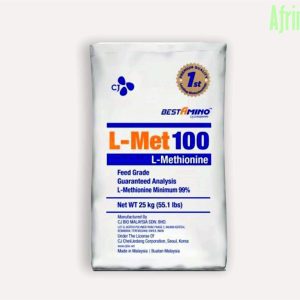 Feed grade L-Methionine is an essential amino acid which acts as the substrate for other amino acids such as cysteine and taurine, versatile compounds, and antioxidant glutathione. Methionine plays a critical role in the metabolism and health of many species. Therefore, supplementation of livestock diet with feed grade L-methionine powder improves splanchnic metabolism, gastrointestinal tract development as well as the growth?performance of young broiler chicks. Additionally, L-methionine contains sulfur, which is responsible for a compound known as s-adenosylmethionine or ?SAMe,? known to support the proper functioning of the immune system; neurotransmitters like dopamine, serotonin and melatonin; and cell membranes. Methionine in livestock feed is important because of its many functions such as: Enhancing protein synthesis. Reducing cost by increasing feed efficiency. Alleviating the negative effects of stress. Acting as a precursor in metabolic pathways. Increasing breast meat. Dosage and administration of feed grade L-methionine Animal species: All livestock Route of administration: Inclusion in feed Dosage: as recommended, from day old throughout life The functional role of methionine in the gastrointestinal tract, especially it?s antioxidative?effects, enables it to improve the health of the gastrointestinal tract of rapidly growing animals. Therefore,?it confers a positive growth impact.
Feed grade L-Methionine For Livestock (25kg)
₦0.00 -
Feed grade L-Methionine is an essential amino acid which acts as the substrate for other amino acids such as cysteine and taurine, versatile compounds, and antioxidant glutathione. Methionine plays a critical role in the metabolism and health of many species. Therefore, supplementation of livestock diet with feed grade L-methionine powder improves splanchnic metabolism, gastrointestinal tract development as well as the growth?performance of young broiler chicks. Additionally, L-methionine contains sulfur, which is responsible for a compound known as s-adenosylmethionine or ?SAMe,? known to support the proper functioning of the immune system; neurotransmitters like dopamine, serotonin and melatonin; and cell membranes. Methionine in livestock feed is important because of its many functions such as: Enhancing protein synthesis. Reducing cost by increasing feed efficiency. Alleviating the negative effects of stress. Acting as a precursor in metabolic pathways. Increasing breast meat. Dosage and administration of feed grade L-methionine Animal species: All livestock Route of administration: Inclusion in feed Dosage: as recommended, from day old throughout life The functional role of methionine in the gastrointestinal tract, especially it?s antioxidative?effects, enables it to improve the health of the gastrointestinal tract of rapidly growing animals. Therefore,?it confers a positive growth impact.
Feed grade L-Methionine For Livestock (25kg)
₦0.00 -
Feed Grade Methionine Feed grade methionine is an essential amino acid that acts as the substrate for other amino acids such as cysteine and taurine, versatile compounds, and the antioxidant glutathione. Supplementing feeds with methionine offer a safety net for productivity and added cost savings. Methionine exists as the D-methionine and L-methionine forms. While there is no difference in the chemical make-up of the two isomers, the configurations of the molecules differ. Commercial methionine and methionine hydroxy analogue produced by chemical synthesis produces both D- and L-methionine in an equal parts mixture. Commercial methionine produced by fermentation results in only the L-isomer. ? Why Feed Grade Methionine Matters Even with supplementation, it?s critical to ensure a balance. If one amino acid is lacking then the animal cannot synthesize additional protein. This leads to inefficient use of the feed?s nutrients, slower growth, reduced lean-muscle production and ultimately, economic loss. Lysine typically comes to mind as the first limiting amino acid in swine diets, but that is dependent on the age of pigs and type of diet. While lysine may be the first limiting amino acid for older pigs, methionine often moves into that spot for younger pigs depending on the ingredient composition of the diet. Numerous studies have shown this is particularly true in weaned-pig diets that contain high levels of spray-dried blood products or dried whey ? Benefits of methionine Enhancing protein synthesis. Reducing cost by increasing feed efficiency. Alleviating the negative effects of stress. Acting as a precursor in metabolic pathways. The growing period is characterized by significant dietary demands requiring high energy and feed intake, thorough nutrient digestion and absorption, and efficient feed conversion. The unique chemical structure of methionine, as well as its organic acid benefits of improved gut health and nutrient digestibility,?helps produce measurable results in poultry. Methionine?supplementation of livestock diet improves splanchnic metabolism, gastrointestinal tract development as well as the growth?performance of young broiler chicks. The functional role of methionine in the gastrointestinal tract, especially its antioxidative effects, enables it to improve the health of the gastrointestinal tract of rapidly growing animals. Therefore, methionine confers a positive growth impact.
Feed Grade Methionine (For Livestock | 25kg)
₦231,400.00 -
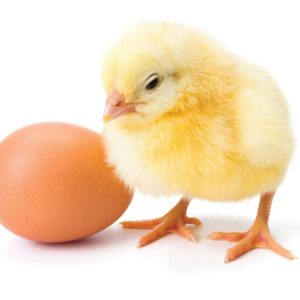 The Fidan Day-old Pullets The Fidan Day-old pullets are hybrid birds containing genes from a wide range of breeds. They were developed with reference to enhancing balanced performance and production of high-quality-strong-shelled eggs. Proven worldwide, this breed is renowned for: It has a high feed intake capacity. Improved feed conversion ratio. Ability to perform well and adapt to a variety of conditions. Thus, it is one of the best breeds of laying birds available to the Nigerian market. Although the Fidan day-old pullets were mainly developed as battery birds (perform better in battery cages), their adaptive nature enables them to thrive in free-range and deep litter housing systems. Therefore, it is ideal for both small-scale and large-scale farmers as it is economical. Features of the Fidan Day-old pullets Superior egg production Excellent livability in different climates Outstanding large eggs. Adaptable to various housing and management?systems. Note Kindly be informed that our day-old chicks? prices are updated twice weekly based on the prevailing market rates. Kindly review available options here?and place your orders or confirm with our Customer Experience Team via LiveChat or phone call on 08094091115
Fidan Day-Old Pullets | Full Carton
₦166,400.00 -
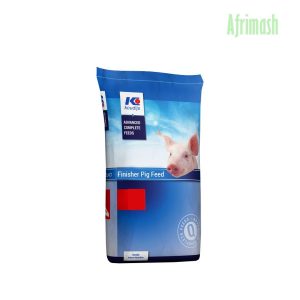 Finisher Pig Feed We offer Finisher Pig Feed suitable for fatteners above 45kg bodyweight. Using our Finisher Pig Feed, we are confident that your pigs will achieve high growth performance and there is an improved fat/ meat ratio. Our Finisher Pig Feed are easy to use and you will require no mixing equipment for application. Finisher feeds are compound feeds used in the latter stages of the fattening of the pigs (their last weeks of life). Normally, they contain less energy so that the pigs do not get too fat or overweight. They also contain fewer vitamins and minerals because the animals will not need them, as they will be slaughtered in little time. Feeding your Pigs with Finisher Pig Feed The most important part of swine production is knowing the correct way to feed pigs. To meet the necessary nutritional requirement of your pigs, they need a high energy diet that is low in fiber but contains ample protein. Pigs will consume enormous amounts of food quickly. To raise and maintain a healthy stock, maximize growth and reproduction, and increase production, it is necessary to feed them the right food and a balanced diet from wean to finish. Foods to Avoid When creating your own pig food mixture, there are certain types of food you?ll want to avoid for reasons ranging from slowed growth rate to outright toxicity. Here are the general foods to avoid in pig feed: Sweets and high-sugar foods Dog food Cracked corn Milk Fish Meat Fruits Potatoes Foods high in sugars can slow growth rates while milk, meats, and fish can harbor viruses. Pits and seeds of apples, pears, apricots, and peaches contain a naturally occurring substance called amygdalin which is a cyanogenic glycoside that is released when chewed. Amygdalin will cause illness, discomfort, or even death. Potatoes contain natural toxins called glycoalkaloids, which can cause severe stomach ache or even death (though rare). Glycoalkaloids also contain solanine which destroys red blood cells, causes diarrhea, and heart failure. Environmental Control For Optimized Growth To maximize feed intake, a number of other factors need to be considered. These include temperature & environmental control, adequate supply of water, and sanitation control programs. Temperature: Pig temperature requirements are important to growth and production. Pigs are highly adaptable animals and can perform well within a range of temperatures. However, temperatures too low or too high can have adverse effects on the stock. If, for example, temperatures are too cold, a pig will feed more but expend more energy to stay warm, resulting in slow growth. Hot weather can lead to heat stress and reduce feed consumption (and can possibly lead to death), so it is important to?keep livestock cool in summer. Consequently, growth and maturity rates slow down, conception rates fall, and pig flow is reduced, disrupting stock levels. Depending on the season, keep buildings well-ventilated or heated, and provide adequate air space within the pen to ensure pig growth and production rates are maintained. Water: Provide lots of fresh, clean water. Water is the central part of a pig?s diet. One-half to two-thirds of its body weight is water. Access to clean drinking water is essential to a pig?s growth rate. Newly weaned pigs are especially prone to dehydration. Pigs must have water readily accessible for drinking throughout the day to maintain proper hydration. Sanitation: You should endeavor to implement sanitation protocols on your farm. Poor sanitation can lead to undetected disease challenges that reduce food intake. Properly designed feeders will encourage maximum feed intake.
Finisher Pig Feed (25kg | 50kg | Terratiga)
₦32,435.00 -
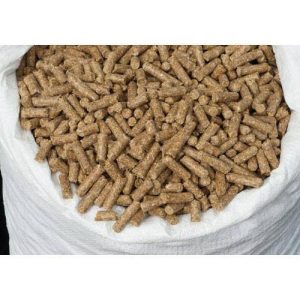 Finisher Pig Feeds We offer Finisher Pig Feed produced in Nigeria by one of the most reputable producers of animal feeds in the country, Topfeed. While there is no ?standard diet? regarding feeds in pig production, Topfeed is committed to producing the right nutritional requirements of your pigs. Finisher pig feeds are suitable for fatteners above 45kg bodyweight. Using our feeds, we are confident that your pigs will achieve high growth performance and there is an improved fat/ meat ratio. Our feeds are easy to use and are designed in a very precise manner for the healthy growth of your pigs. Finisher feeds are compound feeds used in the latter stages of the fattening of the pigs (their last weeks of life). Normally, they contain less energy so that the pigs do not get too fat or overweight. They also contain fewer vitamins and minerals because the animals will not need them, as they will be slaughtered in little time. Feeding your Pigs The most important part of swine production is knowing the correct way to feed pigs. To meet the necessary nutritional requirement of your pigs, they need a high energy diet that is low in fiber but contains ample protein. Pigs will consume enormous amounts of food quickly. To raise and maintain a healthy stock, maximize growth and reproduction, and increase production, it is necessary to feed them the right food and a balanced diet from wean to finish. Foods to Avoid When creating your own pig food mixture, there are certain types of food you?ll want to avoid for reasons ranging from slowed growth rate to outright toxicity. Here are the general foods to avoid in pig feed: Sweets and high-sugar foods Dog food Cracked corn Milk Fish Meat Fruits Potatoes Foods high in sugars can slow growth rates while milk, meats, and fish can harbor viruses. Pits and seeds of apples, pears, apricots, and peaches contain a naturally occurring substance called amygdalin which is a cyanogenic glycoside that is released when chewed. Amygdalin will cause illness, discomfort, or even death. Potatoes contain natural toxins called glycoalkaloids, which can cause severe stomach ache or even death (though rare). Glycoalkaloids also contain solanine which destroys red blood cells, causes diarrhea, and heart failure. Environmental Control For Optimized Growth To maximize feed intake, a number of other factors need to be considered. These include temperature & environmental control, adequate supply of water, and sanitation control programs. Temperature: Pig temperature requirements are important to growth and production. Pigs are highly adaptable animals and can perform well within a range of temperatures. However, temperatures too low or too high can have adverse effects on the stock. If, for example, temperatures are too cold, a pig will feed more but expend more energy to stay warm, resulting in slow growth. Hot weather can lead to heat stress and reduce feed consumption (and can possibly lead to death), so it is important to?keep livestock cool in summer. Consequently, growth and maturity rates slow down, conception rates fall, and pig flow is reduced, disrupting stock levels. Depending on the season, keep buildings well-ventilated or heated, and provide adequate air space within the pen to ensure pig growth and production rates are maintained. Water: Provide lots of fresh, clean water. Water is the central part of a pig?s diet. One-half to two-thirds of its body weight is water. Access to clean drinking water is essential to a pig?s growth rate. Newly weaned pigs are especially prone to dehydration. Pigs must have water readily accessible for drinking throughout the day to maintain proper hydration. Sanitation: You should endeavor to implement sanitation protocols on your farm. Poor sanitation can lead to undetected disease challenges that reduce food intake. Properly designed feeders will encourage maximum feed intake.
Finisher Pig Feeds (TopFeed Brand | 25kg)
₦0.00 -
 FISPROTEK is a blend of glutaraldehyde, quaternary ammonium compound and other synthetic solvents It has proven disinfection properties against a wide range of bacterial, viruses, protozoa and fungi. It has a good deodorizing effect and suitable for animal shelter( poultry pen), hatchery facilities, transport crates and vehicles, farm animal equipment, farm building etc. It is highly efficacious even in the environment with organic contaminants and at low temperature. Composition per l000mI Glutaraldehyde: 15% Benzalkonium bromide: 10% I Co solvent ad: 1,000mI Administration and Dosage of Fisprotek: Housing disinfection such as farm building, hatchery room, farm equipment and terminal disinfection purposes: 1 litre in 150 litres of water by spray Disinfection of egg storage area: 1 litre of disinfectant in 320 litres of water Disinfection of transport vehicles, loot dip etc.: 1 litre of disinfectant in 400 litres of water. How The Fisoprotek Disinfectant Works Disinfectants are chemical agents applied to non-living objects in order to destroy bacteria, viruses, fungi, mould or protozoa living on the objects. The active ingredient in the disinfectant formula such as Fisoprotek is what kills pathogens. It starts by usually disrupting or damaging their cells. Active ingredients are usually aided by other ingredients, that is why it is broad-spectrum, it is all-encompassing; while it performs its various purposes. With Fisoprotek, you can be guaranteed of cleaner surfaces and a germ-free lifestyle.
Fisprotek Disinfectant | 1L | 4L | 25L
₦0.00 -
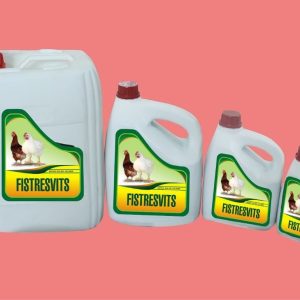 Fistresvits Fistresvits is a formulation of multivitamins fortified with essential vitamins, amino acids, minerals, and trace element. Highly recommended for use in poultry of all ages during periods of stress such as heat, vaccination, transport, debeaking, etc. The offered product has a rich composition of antioxidants and electrolytes. Excellent product for the management of heat stress during the dry season and other conditions causing heat stress. Boosts immune system and stimulates/ increases feed, water, consumption in birds. Stabilizes egg production and improves eggshell quality with a reduction of cracks. Fistresvits can combat dehydration in layers. Very affordable and cost-effective. ? Dosage/ Administration 1mI per 5 liters of water. Composition per 1000g Vit. A: 10,000,000IU; Vit E: 3,000IU; Vit. D: 3,000,000IU; Vit C: 2,000mg; Zinc 100mg; Vit B1: 3000mg; Vit B6: 1000mg; Folic acid: 500mg; Sodium Chloride: 5,000mg; Choline Chloride: 500mg; Calcium: 150mg; Potassium Chloride; 800mg; Dextrose: 10,000mg. ? Importance of vitamins in poultry production Vitamins are a group of organic compounds that poultry only require in small quantities, but they are essential for normal body functions, growth, and reproduction. A deficiency of one or more vitamins can lead to a number of diseases or syndromes. Vitamin C supplementation is useful when birds are in stress. Vitamin A is required for normal growth, reproduction, and maintenance of epithelial cells in good condition (skin and the linings of the digestive, reproductive, and respiratory tracts). The deficiency of vitamin A causes nutritional roup, characterized by conjunctivitis, oculo-nasal discharge, and eyelids stuck together with thick exudates. Vitamin D3 is required for proper absorption and utilization of calcium and phosphorous, which are required for normal growth, bone development, and eggshell formation. The deficiency of vitamin D3 leads to rickets. Birds produce thin-shelled eggs with reduced hatchability, show leg weakness, and penguin-like sitting posture. The beak, claws, and ribs become very pliable. Vitamin E is a powerful antioxidant and important for normal neurological functions. Deficiency leads to encephalomalacia/crazy chick disease, exudative diathesis in young birds, muscular dystrophy seen more frequently in older and mature birds. Vitamin K is essential for the synthesis of prothrombin, thus it plays an important role in clotting mechanisms and also has a protective effect against coccidiosis. Deficiency of vitamin K may cause an increase of blood spots in eggs, hemorrhages in the legs and breast, and failure of blood clotting. The B vitamins include vitamin thiamin, riboflavin, niacin, pantothenic acid, pyridoxine, biotin, folic acid, and cyanocobalamin. The B vitamins are involved in many metabolic functions, including energy metabolism. A vitamin premix is typically used to compensate for the fluctuating levels of vitamins found naturally in food and to assure adequate levels of all vitamins.
Fistresvits (Multivitamins | 1L | 2L | 4L)
₦4,550.00

 No products in the cart.