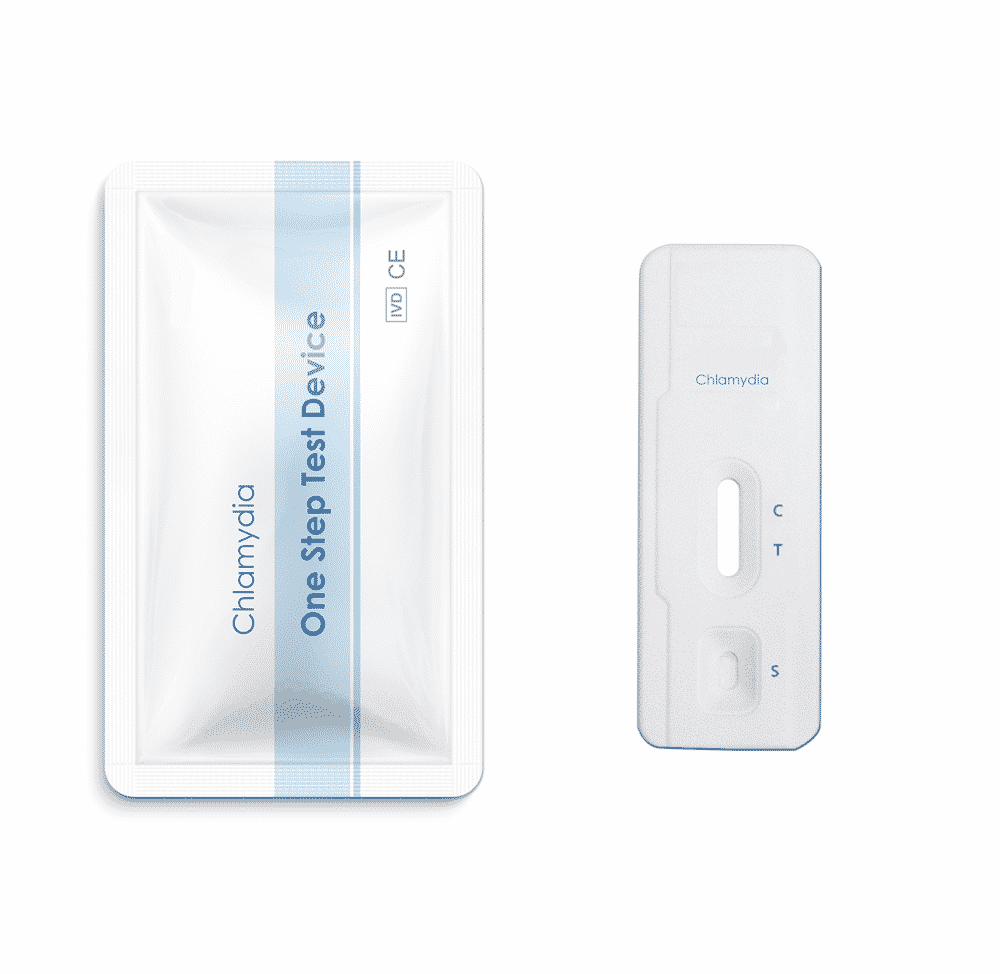
Chlamydia Test From One Step
One of the sneakiest STI infection is definitely chlamydia. It?s extremely common, research shows. In 2017, 708,569 such cases were recorded. The analyses showed that there is a 22% increase in people infected compared to the same analyses back in 2013.
Plus, there is a high possibility that not everyone with chlamydia has been diagnosed or recorded. One of the most infected ages is those between the ages of 15 and 24.
Who Has the Highest Chance of Getting Chlamydia?
It?s very easy to get infected with STIs, especially chlamydia. These are the individuals that have the highest possibility of contracting chlamydia:
Anyone younger than 25
Having unprotected intercourse with people who?ve had many sexual partners
Contracting it from someone who already is infected
Not using condoms during intercourse
After having intercourse with someone with a history of STIs (even if they are not currently infected)
In other words, Chlamydia spreads. It can be contracted via oral, anal, or vaginal sex. It can even infect the eyes if they?ve been in contact with the infected fluid (vaginal fluid or semen). However, the infection can?t spread by simply kissing, sitting on toilet seats, touching doorknobs, bathing in hot tubs, or sharing clothes and silverware.
Typical Symptoms of Chlamydia
Most people have no idea they have it. In fact, statistics show that 70% of men and 90% of women experience no symptoms at all. For others, the symptoms are mild, not something that takes their attention. But, for others, they can cause serious problems. Some of the most common symptoms of chlamydia are the following:
Painful Intercourse
An uncomfortable burning sensation when peeing
Pain in the lower abdomen
Excessive discharge with a powerful smell
Bleeding when not on period
Pain, bleeding, or discharge from the anus
Why Do You Need to Get Tested?
Chlamydia is a serious infection that shouldn?t be overlooked. However, the moment you realize you have it, it might be too late.
If you fail to get treated on time and efficiently, it can cause infertility, pelvic inflammatory disease, and damaged fallopian tubes.
While the infection itself is easily treatable, it can?t undo the damage that was already done on the reproductive system. If you lose your fertility due to chlamydia, there is no going back. It doesn?t matter how healthy you might feel right now if you?ve had unprotected intercourse, it?s crucial to get tested and receive proper treatment.




















![ANTI D TITRE – [Serum]](https://app.analysisafrica.com/backend/uploads/tests/images/1754385122_6891cae238432.jpg)
















 No products in the cart.