




-
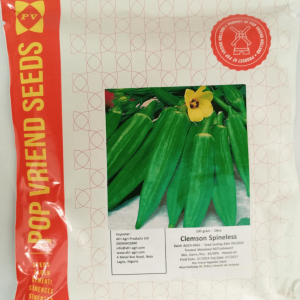 Okra Clemson Spineless Okra, a warm-weather vegetable popular in southern cuisine, is known for its edible pods used in gumbo, soups, and stews. Among various varieties, Okra Clemson Spineless stands out as a top choice for gardeners due to its high yield, smooth pods, and ease of care. Whether you?re an experienced gardener or a beginner, this guide will provide everything you need to know about planting, growing, and harvesting Clemson Spineless okra for a bountiful harvest. What is Okra Clemson Spineless? The Okra Clemson Spineless?is an award-winning variety, recognized for its tender pods and smooth texture. It was developed at Clemson University and has been a staple in gardens across the United States since 1939. Here are some key characteristics of Clemson Spineless Okra: Botanical Name: Abelmoschus esculentus ?Clemson Spineless? Plant Height: 3 to 5 feet tall Pod Length: 3 to 5 inches long Days to Maturity: 50-60 days Climate: Warm-season annual, thrives in full sun Yield: High producing with long, tender pods Why Grow Okra Clemson Spineless? Spineless Pods: One of the defining features of Clemson Spineless is its lack of spines, making it easier to harvest without irritating your skin. High Productivity: This variety produces a large number of pods per plant, ensuring a generous harvest throughout the growing season. Heat and Drought Tolerant: Okra thrives in hot climates, making it perfect for summer gardens in the southern and central U.S. It also tolerates periods of drought once established. Nutrient-Rich: Okra is rich in vitamins C, K, and A, as well as dietary fiber, making it a nutritious addition to your meals. How to Grow Okra Clemson Spineless Growing Clemson Spineless Okra is straightforward, but understanding its preferred conditions will ensure the best results. 1. Planting Okra Clemson Spineless Best Time to Plant: Plant Clemson Spineless okra seeds in the garden after the last frost date, when soil temperatures have warmed to at least 70?F (21?C). Soil Requirements: Okra grows best in well-drained, loamy soil with a pH between 6.0 and 6.8. Add compost or organic matter to enrich the soil before planting. Spacing: Sow seeds ? inch deep and space them 12-18 inches apart in rows that are 3-4 feet apart to allow proper air circulation. 2. Caring for Okra Clemson Spineless Watering: Water regularly, especially during the flowering and pod-producing stages. Okra prefers deep watering about once a week. Avoid overwatering, which can lead to root rot. Mulching: Apply mulch around the base of the plants to retain moisture and suppress weeds. Fertilizing: Okra thrives with light feeding. Apply a balanced fertilizer at the time of planting and side-dress with compost or fertilizer during the growing season. Pest and Disease Management: Clemson Spineless okra is generally pest resistant. However, watch out for aphids, flea beetles, and stink bugs. Use organic insecticides or introduce beneficial insects like ladybugs. 3. Harvesting Okra Clemson Spineless When to Harvest: Okra Clemson Spineless pods should be harvested when they are young and tender, typically when they reach 3-4 inches long. If left on the plant too long, the pods can become tough and fibrous. How to Harvest: Use pruning shears or a sharp knife to cut the pods cleanly from the plant. Regular harvesting encourages the plant to produce more pods.
Okra Clemson Spineless | POP VRIEND SEEDS
₦10,400.00 -
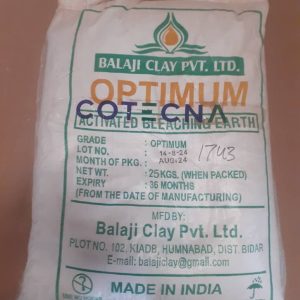 Optimum Bleaching Earth ? Premium Oil Purification and Refining Solution Optimum Bleaching Earth is a high-performance adsorbent clay specially formulated to deliver superior purification, decolorization, and filtration results in edible oil and industrial oil refining. Engineered from carefully activated bentonite clay, this product provides exceptional efficiency in removing impurities, pigments, gums, oxidation by-products, odour, and contaminants from a wide range of oils. It is the trusted choice of oil producers who demand consistent quality, excellent filtration speed, low oil retention, and cost-effective refining results. ? Key Features of Optimum Bleaching Earth High adsorption capacity for maximum pigment and impurity removal Activated bentonite ensures fast and efficient decolorization Low oil retention, helping processors maximize yield High filtration rate that reduces production time Thermal stability suitable for continuous and batch refining Improves oil colour, taste, and shelf life Suitable for edible and non-edible oil refining ?? Applications Optimum Bleaching Earth is ideal for refining and clarifying: Edible Oils Palm oil Palm kernel oil Soybean oil Sunflower oil Groundnut/Peanut oil Coconut oil Cottonseed oil Sesame oil Industrial Oils Mineral oils Lubricating oils Paraffin oils Transformer oils Biodiesel feedstock ?? Why Choose Optimum Bleaching Earth? Consistent quality from controlled activation processes Superior colour reduction even for high-FFA crude oils Optimized moisture content for long shelf life Reduces bleaching cost per ton due to high efficiency Environmentally friendly and non-toxic ?? How It Works Optimum Bleaching Earth works through a powerful adsorption mechanism where activated clay particles bind and remove: Chlorophyll and carotenoids Peroxides Phosphatides Trace metals Soap content Unwanted odours and flavours Colour bodies This results in clearer, cleaner, and more stable oil ready for further refining or direct consumption. ?? Packaging Options 25 kg laminated bags 50 kg industrial sacks Custom bulk packaging available on request
Optimum bleaching earth
₦52,000.00 -
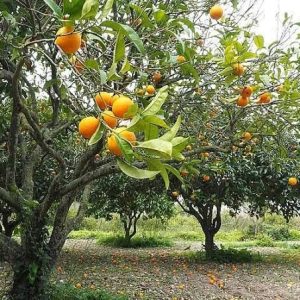 Orange Petals (Imported Citrus) Experience the vibrant burst of flavour and aroma with our Orange Petals (Imported Citrus). Sourced from the finest orchards around the globe, these premium citrus fruits are a testament to quality and freshness. Bursting with juicy sweetness and tangy zest, each bite is a delightful explosion of citrus goodness. Origin and Quality : Our Orange Petals (Imported Citrus) hail from meticulously selected orchards renowned for their commitment to excellence in citrus cultivation. Imported from sun-kissed groves in regions known for producing the juiciest and most flavorful oranges, our citrus fruits are handpicked at peak ripeness to ensure optimal taste and quality. We take pride in offering you the finest selection of imported citrus fruits, guaranteed to elevate your culinary creations and brighten your day. Exquisite Flavor Profile: Each Orange Petals (Imported Citrus)is a symphony of flavors, blending sweet notes with tangy undertones for a well-balanced taste sensation. Whether enjoyed fresh on their own, squeezed into refreshing juices, or incorporated into your favorite recipes, these citrus gems add a burst of sunshine to every dish. From morning breakfasts to evening cocktails, our imported oranges are the perfect companion for any occasion. Premium Packaging of Orange Petals (Imported Citrus): Our Orange Petals (Imported Citrus)are carefully packed to preserve their freshness and flavor during transit. Each fruit is lovingly wrapped in protective packaging to ensure it reaches you in pristine condition. Whether you?re stocking up for your household or gifting to loved ones, our premium packaging guarantees an exquisite presentation and maximum freshness. Certified Quality Assurance: At Orange Petals (Imported Citrus), we are committed to upholding the highest standards of quality and safety. Our imported citrus fruits undergo rigorous quality control measures to ensure they meet our strict criteria for taste, freshness, and appearance. With our certified quality assurance process, you can trust that every Orange Petal delivers premium quality and unbeatable flavor. Order Yours Today: Treat yourself to the luscious taste of Orange Petals (Imported Citrus) and elevate your culinary experience to new heights. Whether you?re craving a refreshing snack or looking to add a burst of flavor to your recipes, our premium citrus fruits are sure to delight your taste buds. Order yours today and savor the essence of sunshine in every bite! Product Specifications of Orange Petals (Imported Citrus): Type of oranges (e.g., Valencia, Navel) Size (e.g., large, medium) Packaging (e.g., crate, mesh bag) Country of origin Harvest season
Orange petals (Imported Citrus)
₦8,450.00 -
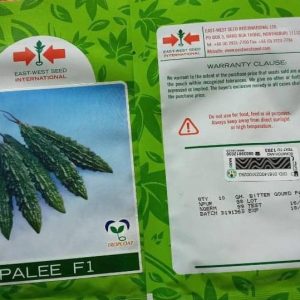 Palee F1 Palee F1 is a well-known hybrid cultivar that has an excellent combination of good vigour and earliness. Fruits are medium long with moderate but rather thick spines, which result in less damage during transport. The colour is attractive dark green. Because of its enormously high yield potential, Palee is the farmer?s favourite in many markets. The plants have a strong tolerance to field diseases with an average fruit weight between 100g to 140g. Bitter melon, also known as bitter gourd or Momordica charantia is a tropical vine that belongs to the gourd family and is closely related to zucchini, squash, pumpkin, and cucumber. It?s cultivated around the world for its edible fruit. As a rich source of antioxidants, flavonoids, and other polyphenol compounds, bitter gourd may help to reduce your risks for several health issues. Bitter gourd contains bioactive compounds called saponins and terpenoids. These compounds are responsible for the vegetable?s bitter taste, but may also play a role in lowering blood sugar levels in people with diabetes. The saponins and terpenoids in bitter gourd may help move glucose from the blood to the cells while also helping your liver and muscles better process and store glucose. Characteristics of Palee F1 Maturity days: 45-50 Shape: Spindle and semi spined Diameter (cm): 5.0-6.0 Length (cm)- 20-25 Vigour: Very Strong Weight (g.): 100-140 Colour: Dark green Plant: Highly Vigorous, prolific fruit set Harvesting: 50-55 days after sowing Suitable for long-duration harvest Variety Features: Long dark green, nice shape, semi-spined, extremely high yielding
Palee F1 | Bitter Gourd | 10g
₦0.00 -
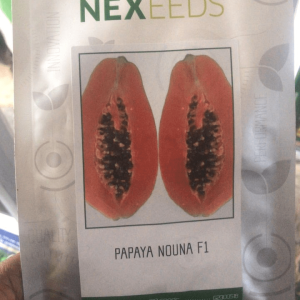 Papaya Nouna F1: The Premium Hybrid Variety for High-Yield and Quality Are you looking for a high-performing, hybrid papaya variety that delivers exceptional yield, superior quality, and disease resistance? Look no further than Papaya Nouna F1. This hybrid papaya variety is a top choice for farmers and gardeners alike due to its excellent agronomic traits, making it ideal for both commercial cultivation and home gardening. What is Papaya Nouna F1? Papaya Nouna F1 is a hybrid variety known for its remarkable fruit quality, fast growth, and high yield potential. This variety is the result of advanced breeding techniques designed to produce papaya plants that are more resistant to common diseases, while also offering improved fruit size, taste, and overall performance. Key Features and Benefits of Papaya Nouna F1 1. High-Yield Potential Papaya Nouna F1 stands out for its high fruit yield. This variety is bred to produce a large number of fruits per plant, making it a profitable option for commercial growers who want to maximize their production. 2. Disease Resistance One of the major challenges in papaya cultivation is the susceptibility to diseases like Papaya Ringspot Virus (PRSV) and Anthracnose. Nouna F1 exhibits enhanced resistance to these and other common papaya diseases, reducing the need for chemical treatments and ensuring healthier, more robust plants. 3. Fast Growth and Early Maturity Papaya Nouna F1 is a fast-growing variety, with fruits that mature earlier compared to traditional varieties. Early maturity means that farmers can get their crops to market faster, giving them a competitive edge and quicker returns on their investment. 4. Superior Fruit Quality Nouna F1 produces fruits with excellent flavor and sweetness. The fruits are large, typically weighing between 1.5 to 2.5 kg each, with a bright orange flesh that is both tender and juicy. The high sugar content and attractive color make these papayas highly marketable and desirable to consumers. 5. Uniformity and Consistency This hybrid variety produces fruits that are uniform in size and shape, ensuring consistency in your harvest. This is particularly important for commercial growers who supply to retailers that demand standardized produce for ease of packaging and selling. How to Grow Papaya Nouna F1 Growing Papaya Nouna F1 is relatively straightforward, thanks to its hybrid vigor and adaptability to various climates and soil types. Here are some cultivation tips to maximize your yield: 1. Climate and Soil Requirements Papaya Nouna F1 thrives in tropical and subtropical climates, with temperatures ranging between 21?C and 33?C. It prefers well-drained soils rich in organic matter. Avoid planting in waterlogged areas, as papaya plants are sensitive to root rot. 2. Planting and Spacing Plant your Nouna F1 seeds in a sunny location with adequate space for each plant to grow. A spacing of about 2.5 meters between plants is ideal for ensuring proper air circulation and sunlight exposure, which reduces the risk of fungal diseases. 3. Fertilization and Irrigation Regular fertilization is key to achieving high yields with Nouna F1. Use a balanced fertilizer rich in nitrogen, phosphorus, and potassium (NPK) during the early stages of growth, and adjust accordingly as the plants mature. Ensure consistent watering, especially during dry periods, but be careful not to overwater. 4. Pest and Disease Management While Nouna F1 is resistant to many diseases, it?s important to maintain good agricultural practices such as crop rotation and pest monitoring to further minimize risks. Organic pest control methods like introducing beneficial insects or using neem oil can help keep pests at bay without the need for chemical pesticides. Why Choose Papaya Nouna F1 for Commercial Cultivation? If you?re a commercial papaya grower, Papaya Nouna F1 offers a range of advantages: Higher profitability due to increased yield and fruit quality. Reduced risk of disease losses thanks to its resistance traits. Faster time to market, which can improve cash flow and return on investment.
Papaya Nouna F1
₦0.00 -
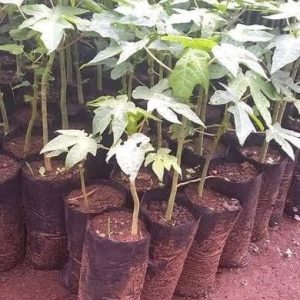 Pawpaw Seedlings produces good quality fruit and can also serve as pollinators for grafted varieties. For cross-pollination purposes, you would have to plant two seedlings or a combination of seedlings and grafted varieties. Pawpaws?(Asimina?triloba) are one of the most unique and delicious fruits that can be grown on farmland or even in your backyard. Pawpaws can adapt to temperate climates. The pawpaw fruit is delectable, fruity, has soft flesh, and is very succulent. It is high in protein and is a good source of vitamins and minerals. Therefore this a plant to look out for, purchase, and plant. Everything about this plant, from its leaf size and shape to the way its fruits look, taste, and the smell is unique. Pawpaw seedlings are naturally disease and pest-resistant.? Site and Soil: Pawpaw likes a rich, well-drained soil, high in organic matter. Can be grown in shade or sun. Summer Sunburn affects the young trees, so protect against the intense afternoon sun. Pollination Requirements: Plant two seedlings or a combination of seedlings and grafted varieties for cross-pollination. Pests & Diseases: Pawpaw is not bothered by pests or diseases. Bloom Time:?April Ripening Time:?September-October Size at Maturity:?12-15 ft. in height Place your orders now!!!
PawPaw Seedlings | 1.5kg
₦0.00 -
 Piquante Yellow Pepper F1 seeds Piquante Yellow Pepper F1 seeds are of the genus Capsicum which has over 30 species in the nightshade family, Solanaceae. They are very productive seeds with strong plant vigour and high fruit set. Product Features of Piquante Yellow Pepper F1 seeds Piquante Yellow Pepper F1 seeds are excellent sources of vitamins A and C, potassium, folic acid, and fibre. One sachet contains 500 seeds. They are fresh, healthy, and fully dried. They produce large and flavoured fruits. They can be planted in various soil types. They are highly nutritious seeds with an attractive aromatic taste. Planting Requirements of Piquante Yellow Pepper F1 seeds For planting these F1 yellow pepper seeds, high temperature and humidity are needed (the minimum temperature should be at 15?c). The soil should be moist. Low nitrogen fertilizers are required. Water regularly but avoid over-watering. Sandy soil is preferable for plantation though other soil types can also be used. Stakes or cages are needed to support the branches of the plant when the seeds begin to yield fruits. The pH of the soil should be between 6-7. Benefits of Piquante Yellow Pepper F1 seeds These seeds have a long shelf-life and can excel in a lot of climates. They are rich in fibre content which helps in building a shield to keep the colon cells protected from toxins and bacteria. They possess anticancer and antioxidant properties. They are effective against breast, pancreatic, and bladder cancers. Their fruit boosts the absorption of nutrients especially iron. They add spice to bland foods. They can mitigate migraine, improve metabolism, and aid weight loss. Several of these pepper seeds are extensively cultivated for their edible and often delectable fruits. Their oil is also economically used as valuable natural products for industrial, cosmetic, and pharmaceutical purposes. Pepper is a common feature in all diets across the world. Hundreds of these products are available for sale and immediate delivery. Order/Purchase in large quantities attracts discount. Send in your order now!
PIQUANTE YELLOW PEPPER F1 SEED
₦40,300.00 -
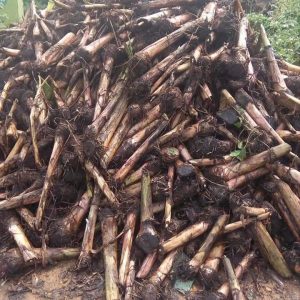 Plantain Sucker A sucker is a plant growth that develops from the rootstock of a plant that has undergone grafting. A sucker grows from the base of the root of the plant at a certain distance away from the plant. This undesirable part of the plant should be removed to prevent it from sucking away the plant?s energy. Rooted suckers can be dug up and planted elsewhere. ? Plants that produce suckers? Blackberries and raspberries boast an impressive list of about 250 species, all of which reproduce via suckers. Other types of fruit that produce root suckers are apple trees, blueberries, cherry trees, plantain, plums, pears, pineapple, and banana. In addition, several species of trees such as locust (Robinia) and elms (Ulmus) have aggressive roots that can spread via suckers. Other trees that reproduce using root suckers are Tree of Heaven (Ailanthus altissima), chaste tree (Vitex agnus-castus), cottonwood poplar (Populus sp.), western redbud (Cercis occidentalis) and tallow tree (Sapium sebiferum). ? Plantain sucker Farmers traditionally depend on the natural regeneration process of new plantain suckers to replace their plantain plants. They often remove all the suckers on a mat, except for the ones selected to replace the mother plant. However, with the advent of technology and other sophisticated techniques, planting and harvesting plantain suckers require fewer inputs and can be planted immediately on the field. Generally, plantain requires 10 to 12 months from planting to harvest. ? Considerations before planting suckers If you are planting a larger number of suckers then it makes sense to think carefully and plan the layout of the new field. To do this, you have to take into account: planting density, number of trees, shade trees, the slope of the field, and windbreaks. Planting density refers to the number of trees you plant in a given area. The planting density is influenced by: Size of the mature suckers (larger trees means lower planting density). Amount of maintenance you intend to do (higher planting density means higher maintenance, more pruning in particular). The soil fertility and if fertilizer will be applied every year. ? Warnings!!! Do not plant suckers that are affected by any type of disease or pest problem.
Plantain Sucker (Packaged in Sacks)
₦650.00 -
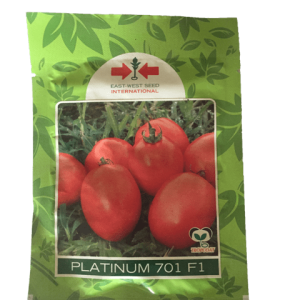 Platinum F1 Platinum F1 is one of the highest yielding hybrid tomato seeds in Nigeria and other tropical areas. The product is manufactured by East-West Seeds, one of the most popular seed companies in the world. Platinum F1 tomato variety has strong vigour and can resist a lot of diseases prevalent in tropical lowland and places with high humidity. Fruits are oval and firm. Excellent performance in tropical lowland and rainy season due to good fruit cracking tolerance. It can also perform well in the dry season. ? Platinum F1: Product characteristics Platinum F1 tomato variety has a strong vigour and can withstand a lot of stress during the growing season. It is a very rugged tomato variety. It has a fast-growing habit. The first harvest from this variety can be as early as 60-70 days. The tomato fruit from this variety is medium in size and well accepted in the Nigerian market especially during the lean season. Platinum F1 tomato variety can set good fruits in very hot conditions. The heat set characteristic of this variety is good. This variety is tolerant and resistant to bacterial wilt, a disease that is prevalent in Nigeria especially the southern part of the country. It is resistant to tomato yellow leaf curl viral disease and other viral diseases prevalent in the dry season in Nigeria. This variety can grow well in humid conditions, thereby suitable for cultivation in southern Nigeria where farmers dread to grow tomatoes. This tomato variety has oval shape fruits. ? Note Platinum F1 tomato seed needs a lot of water and nutrients. We strongly advise that a drip irrigation system is put in place before you start cultivating this variety in order for you to have a good yield. With drip irrigation installed, you can use water efficiently and apply fertilizers, nematicides, and other pesticides efficiently.
Platinum 701 F1 Tomato Seeds (East West Seed | 5g)
₦22,100.00 -
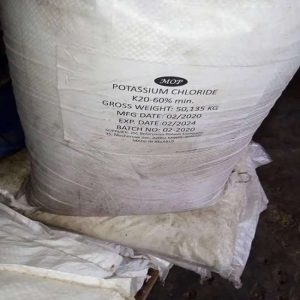 Potassium chloride is a commonly used fertilizer that supplies the essential nutrient potassium to plants. It is a salt compound composed of potassium and chlorine. Potassium is one of the three primary macronutrients required by plants, along with nitrogen and phosphorus. Potassium plays a vital role in various physiological processes within plants, including: Enhancing plant growth and development: Potassium promotes cell division, carbohydrate metabolism, and overall plant growth. It is essential for root development, stem strength, and fruit formation. Improving nutrient uptake and water management: Potassium helps regulate the opening and closing of stomata, which are tiny openings on plant leaves. This process affects water uptake, transpiration, and nutrient absorption. Enhancing plant resistance to stress: Potassium aids in strengthening plant cell walls, increasing drought tolerance, and improving resistance to diseases and pests. Potassium chloride fertilizer is typically applied to soils that are deficient in potassium or in crops with high potassium demands, such as fruits, vegetables, and field crops. It is available in various forms, including granules, powders, and liquids, making it versatile for different application methods. When applied to the soil, potassium chloride dissolves and releases potassium ions, which can be absorbed by plant roots. The chloride component of potassium chloride also provides some benefits as a source of chlorine, which is another essential nutrient for plants. However, it is important to use potassium chloride fertilizer judiciously and follow recommended application rates, as excessive use can lead to imbalances in nutrient levels and affect soil pH. Soil testing and consulting local agricultural extension services can help determine the appropriate amount of potassium chloride fertilizer to apply based on specific crop and soil conditions. Overall, potassium chloride fertilizer is widely used to supply potassium to plants, promoting healthy growth, improved yield, and enhanced resistance to stress factors.
Potassium Chloride (MOP | 50kg) | Local
₦65,000.00 -
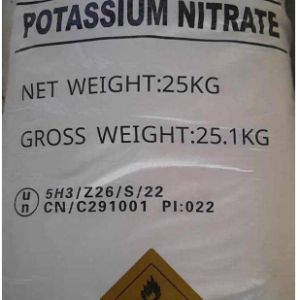 Potassium Nitrate Fertilizer ? High-Quality NPK Potassium Nitrate (KNO?) is a premium water-soluble fertilizer that provides plants with two essential nutrients ? Nitrogen (13%) and Potassium (46%). Also known as Nitrate of Potash, this fertilizer is widely used by farmers and greenhouse growers to improve crop quality, boost yields, and enhance resistance to stress, pests, and diseases. Unlike other fertilizers, Potassium Nitrate is chloride-free, making it safe for sensitive crops such as vegetables, fruits, and flowers. It dissolves quickly in water, making it ideal for fertigation, foliar spray, and drip irrigation systems. Key Benefits of Potassium Nitrate ? Provides Essential N & K Nutrients: Supplies nitrogen for vegetative growth and potassium for flowering, fruiting, and stress resistance. ? Chloride-Free: Safe for salt-sensitive crops like tomatoes, tobacco, potatoes, and citrus. ? Enhances Fruit Quality: Improves size, taste, color, and shelf life of harvested produce. ? Increases Stress Tolerance: Helps crops withstand drought, heat, and disease. ? Water-Soluble: Ideal for fertigation, hydroponics, and foliar application. ? Boosts Yield & Farmer Profitability: Ensures higher productivity and better market value. Recommended Crops Vegetables: Tomato, pepper, cucumber, onion, spinach. Fruits: Citrus, banana, mango, pineapple, grapes. Cash Crops: Tobacco, cotton, sugarcane, potatoes. Flowers & Ornamentals: Roses, chrysanthemums, greenhouse plants. ? Application & Dosage Foliar Spray: 5?10 g per liter of water. Fertigation/Drip Irrigation: 2?5 kg per acre depending on crop and stage. Soil Application: Mix with other fertilizers as recommended by an agronomist. Tip: Apply during critical stages ? flowering, fruiting, and tuber development for best results. ? Why Choose Potassium Nitrate? High purity, quick dissolution. Improves both yield quantity and quality. Suitable for modern farming systems (hydroponics, drip irrigation, greenhouse farming).
Potassium Nitrate Fertilizer
₦110,500.00 -
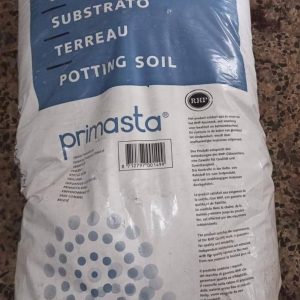 Primasta Potting Soil The Primasta Potting Soil is a lightweight soil with a composition and specific structure that is appropriately suited for plants in pots and flower containers. It is made up of organic (plant-based or animal-based) materials, minerals, inorganic materials, fertilizers, etc. One of the major components of the potting soil is peat. Peat is an age-old, natural raw material that has its origins in plant remains. An important property of peat is its absorbing capacity. It absorbs moisture quickly and also retains it for a long period of time. Peat also has growth stimulating advantages as well. Another important component of potting soil can also be coir. Dependent on the use, peat is mixed with products like bark, coir, compost, sand, fertilizers, and lime. In this way structure, composition and nutrients together cause the plant can root in its ideal soil. A healthy root system creates better growth and allows the plant to stand sturdy. Benefits The potting soil serves the same purpose as any kind of soil. It supports plant growth by serving as a means to deliver nutrients and water. Soil acts as a reservoir to retain moisture and nutrients around your plants? roots. It provides enough air and anchorage for growing roots. It is lightweight. This feature helps to facilitate transport and resist compacting. Peat is the most important component. It is very suitable for plants in pots and flower containers. The potting soil is lightweight compared to garden soil.
Potting Soil | 70 LTR | 40 LTR (Primasta Potting Soil)
₦40,300.00 -
 ORGANIC BLACK EARTH | PRO-LIFE PLANT ENERGISER Energize your plants and unlock their full potential with Organic Black Earth Pro-Life Plant Energizer. Specially formulated to invigorate and revitalize your plants, this organic plant energizer is packed with essential nutrients and beneficial microorganisms. It promotes robust root development, enhances nutrient uptake, and improves overall plant health. Whether you?re growing vegetables, flowers, or herbs, our Pro-Life Plant Energizer will give your plants the boost they need to thrive. Simply apply as directed and watch your garden come to life with vibrant, healthy foliage. Give your plants the care they deserve with Organic Black Earth Pro-Life Plant Energizer. This is a sterile soilless medium making it safe for plants and humans alike because it does not contain pathogens that cause disease. Our mix contains components to improve aeration and drainage such as peat moss, sphagnum moss,?pine?and?coir.
PRO-LIFE PLANT ENERGISER | ORGANIC BLACK EARTH | 1LITRE SPRAY CAN
₦28,600.00 -
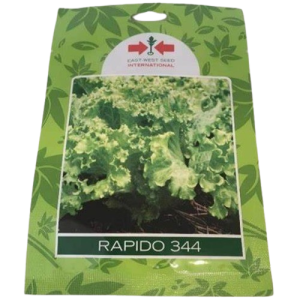 Rapido 344 Lettuce seeds Rapido 344 Lettuce seeds/50g/East-west seeds are hybrid vegetable?seeds, produced by east-west seeds. Rapido lettuce is suitable for both greenhouse and open-field cultivation. A very uniform selection out of grand rapids and ideal for tropical growing conditions. It produces plants with light green leaves that are relatively large and frilled leaf edges. It is relatively tolerant to tip burn. Health benefit of Rapido 344 Lettuce seeds Bone Strength: Consuming adequate amounts of vitamin K can also reduce your risk of bone fracture because of the high percentage of vitamin K, which helps strengthen bones in Lettuce. Hydration: Water makes up over 95% of raw lettuce. As a result, eating lettuce hydrates the body. Although drinking liquids is necessary, water in foods can also significantly contribute to hydration. Improved Vision: Lettuce improves vision because it contains vitamin A, which plays a role in eye health. Vitamin A can reduce a person?s risk of cataracts. Vitamin A also helps prevent macular degeneration. Improved Sleep: Extracts of multiple lettuce types have also been shown to promote sleep. Until further research is conducted, it is unknown if the lettuce in its natural form can produce a similar effect. Lettuce helps to induce sleep as it contains sedative elements. Nutrition: The nutritional content of lettuce varies across varieties. Almost all lettuces contain a significant amount of vitamin A, along with small amounts of vitamin C and iron. How to Grow Rapido Lettuce Lettuce is an easy-to-grow annual vegetable. Considered a spring and fall crop, lettuce thrives when temperatures are between 60 to 70 degrees F. Many varieties reach maturity in as little as 30 days, and some can even be harvested much earlier as microgreens. From your garden beds to patio containers, these simple steps will give you a bountiful supply of crisp salad greens throughout multiple seasons. When to Plant Lettuce Lettuce loves cool weather. You can begin planting leaf, romaine, and butterhead lettuce as soon as the soil can be worked in the spring. Depending on the variety, lettuce germinates in temperatures between 40 to 85 degrees F. If you plant lettuce in successive plantings, with 10 to 14 days in between, you?ll have an extended harvest. To prevent summer bolts, stop planting one month before warm summer temperatures start. Begin planting fall lettuce in late summer so it reaches maturity when the fall air is cool. Head lettuce is usually started indoors or in a cold frame and transplanted in the spring after the last frost date. Growing lettuce from seedlings for early spring transplant is a good way to get a head start on the?growing season. Where to Plant Lettuce The ideal lettuce growing location for spring and fall is in a spot that receives full sun. If you plan on growing lettuce during the summer or in?warm planting zones, partial shade can provide protection from the heat. Growing lettuce from seed in late summer may require generous artificial shade to help cool the soil for germination. Once days become cooler, the shade can be removed to give plenty of sunlight to young lettuce plants. Lettuce grows best in loose, cool soil with good drainage. The addition of organic materials, such as compost or manure, will increase drainage, provide essential nutrients, and improve your lettuce growing conditions. If you?ve had trouble with lettuce growth, consider purchasing a soil test kit. Lettuce is sensitive to low pH. The addition of lime can help bring the pH to at least 6.0. How to Plant Lettuce It does not take much work to grow lettuce from seeds. Lettuce seeds are often quite small and only require a planting depth of ? to ? inch deep. Growing lettuce in rows gives your garden a traditional look. Consider alternating rows of green and red lettuce for a whimsical touch. How far apart to plant lettuce depends on the type of lettuce you?re planting. When sowing seeds directly into the soil, you should plant approximately 10 seeds per foot. Space your rows 12 to 18 inches apart. Thin leaf lettuce seedlings to 4 inches apart. Romaine and butterhead lettuce seedlings require 6 to 8 inches between each plant. Removed seedlings can be transplanted or eaten as delicious, tender microgreens. Head lettuce is usually grown from seeds started indoors during warm weather for a fall garden. Transplant head lettuce in rows 12 to 18 inches apart with 10 to 12 inches between each plant. Water Requirements for Lettuce You do not need lettuce to develop deep roots. In fact, you want to encourage leaf growth over rooting. Lettuce watering should be light, frequent, and consistent. The goal is to keep the soil moist. Avoid watering too often ? overwatering leads to root rot, disease, and stunted growth. Consider also:?Eden lettuce seeds
Rapido 344 Lettuce seeds | 10g | 50g | East West Seeds
₦0.00 -
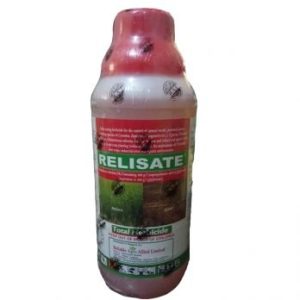 Relisate Herbicide Relisate is a non-selective post-emergent herbicide for the control of a wide range of weeds on cultivated land. It is very useful for weed control around trees and the killing of weeds prior to crop planting. It is a total herbicide also used for weed control in non-cropped areas and on industrial sites. Relisate Herbicide is friendly with the soil. ? How to dilute Relisate Dilute only with clean water. Always add the liquid herbicide to water and then stir. Do not store diluted herbicide. It is suitable for application with all types of surface spraying equipment and knapsacks. ? Relisate: Application rates Although application rates of Relisate may vary according to the prevailing local conditions, apply the following amount in 100-200 litres of water: Annual grasses and annual broad-leaved weeds: 3 litres/hectare Perennial grasses: 4 litres/hectare Perennial broad-leaved weeds: 6 litres/hectare Non-crop areas: 5 litres/hectare ? Precautions Do not apply for post-emergent aquatic weed control. Wear suitable protective clothing such as goggles, coveralls, PVC gloves before handling the agrochemical. Do not contaminate ponds, streams or ditches with the product or used container. It is harmful to fish, irritating to eyes and skin. When using the product, do not eat, drink or smoke. Wash hands after use and before meals. Store in original containers away from children, animals and foodstuffs. ? Withholding periods Edible crops: 14 days Re-entry Period: 1-3 days
Relisate Herbicide (Total Weedicide | 1L)
₦7,800.00

 No products in the cart.