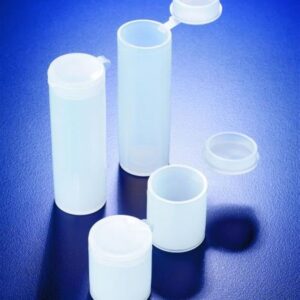
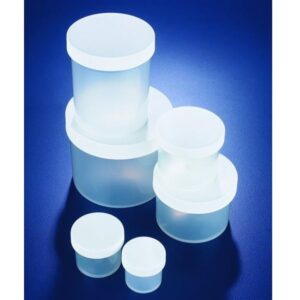
Azlon LDPE specimen containers with hinged caps
Containers with captive hinged cap suitable for many applications
Lightweight and unbreakable in normal use
Can withstand temperatures up to 80°C
Available sizes 1ml to 25ml
Cleaning, autoclaving and maintenance plasticware Azlon??plasticware is reusable but how long it lasts depends on how well you treat it! Follow these guidelines to keep your Azlon??plasticware in the best possible condition.
1. What chemicals are coming into contact with your plasticware?
Chemicals can adversely affect the performance of plasticware even resulting in damage. Make sure you use the most suitable polymer for the chemical. For example, if you are working with Acetone you should always choose LDPE over HDPE as products made of HDPE are likely to incur immediate damage. Why not consult the plastic technical guide if you are unsure.
2. How do you wash and clean your Azlon??plasticware?
Azlon??plasticware should be cleaned in warm water with Lipsol detergent and a soft cloth or sponge. To prevent scratching and ink removal, abrasive cleaners and scouring pads should be avoided. If you?re using an automatic laboratory washing machine, be sure to use temperatures below 60?C. This is especially important for volumetric plasticware as high temperatures can affect their accuracy.
3. Can Azlon??products be autoclaved?
A selection of Azlon??products are suitable for autoclaving. In general, if a product is made from polypropylene or PMP, it is suitable for autoclaving at 121?C or 135?C respectively. If you are still unsure then look at the 'A' symbol as all items that are autoclavable display a red Azlon??symbol next to them. When autoclaving plastic bottles care must be taken to ensure that the cap is completely loosened to prevent deformation of the bottle. Reattaching the cap before the bottle has sufficiently cooled will also cause deformation. We recommend completely removing the cap before autoclaving and attaching the cap to the side of the bottles with autoclave tape to keep track of the components.
We hope these guidelines help your Azlon??plasticware last longer and don?t forget to contact us if you have any questions!
Information has been? provided by DWK Ltd. Feefo Reviews Product Attachments Azlon Reusable Plastic Labware (4.55 MB) Azlon Technical Guide (4.55 MB) More Information More Information Autoclavable?No Sterile?No MaterialLDPE
₦50,000.00Original price was: ₦50,000.00.₦2,565.00Current price is: ₦2,565.00.
₦50,000.00Original price was: ₦50,000.00.₦2,565.00Current price is: ₦2,565.00.Add to basketQuick View
Sale
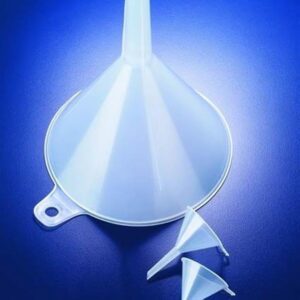
Lightweight polypropylene funnels with ribs that prevent air locks
Allowing rapid filtration
Autoclavable to 121?C
Made from food grade plastic
Cleaning, autoclaving and maintenance plasticware Azlon??plasticware is reusable but how long it lasts depends on how well you treat it! Follow these guidelines to keep your Azlon??plasticware in the best possible condition.
1. What chemicals are coming into contact with your plasticware?
Chemicals can adversely affect the performance of plasticware even resulting in damage. Make sure you use the most suitable polymer for the chemical. For example, if you are working with Acetone you should always choose LDPE over HDPE as products made of HDPE are likely to incur immediate damage. Why not consult the plastic technical guide if you are unsure.
2. How do you wash and clean your Azlon??plasticware?
Azlon??plasticware should be cleaned in warm water with Lipsol detergent and a soft cloth or sponge. To prevent scratching and ink removal, abrasive cleaners and scouring pads should be avoided. If you?re using an automatic laboratory washing machine, be sure to use temperatures below 60?C. This is especially important for volumetric plasticware as high temperatures can affect their accuracy.
3. Can Azlon??products be autoclaved?
A selection of Azlon??products are suitable for autoclaving. In general, if a product is made from polypropylene or PMP, it is suitable for autoclaving at 121?C or 135?C respectively. If you are still unsure then look at the 'A' symbol as all items that are autoclavable display a red Azlon??symbol next to them. When autoclaving plastic bottles care must be taken to ensure that the cap is completely loosened to prevent deformation of the bottle. Reattaching the cap before the bottle has sufficiently cooled will also cause deformation. We recommend completely removing the cap before autoclaving and attaching the cap to the side of the bottles with autoclave tape to keep track of the components.
We hope these guidelines help your Azlon??plasticware last longer and don?t forget to contact us if you have any questions!
Information has been? provided by DWK Ltd. Feefo Reviews Related Blogs How do I measure suspended solids? How is the gravimetric method different to other methods? The measurement of Suspended Solids is often required for discharge consent, and values may be reported to the Environment Agency (EA). [caption id="attachment_8215" align="aligncenter" width="200"] Suspended solids give water a cloudy appearance[/caption] There are several methods for testing the suspended solids present in a water sample, here we discuss the differences between the differen...8 years ago More Information More Information MaterialPolypropylene (PP)
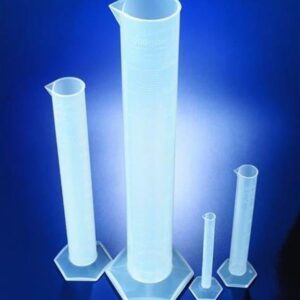
Azlon Measuring Cylinders, PP, Moulded Graduations
Conform to ISO 6706
Ultra clear polypropylene with good chemical resistance
Large pouring spout for easy dispensing
Stable hexagonal bases with non slip anti-suction feature
Permanent moulded graduations
Specifications
Manufacturer Code
Capacity ml
Height mm
Tolerance ? ml
CP0010P
10
145
0.20
CP0025P
25
170
0.50
CP0050P
50
200
1.00
CP0100P
100
250
1.00
CP0250P
250
315
2.00
CP0500P
500
360
5.00
CP1000P
1000
440
10.00
CP2000P
2000
535
20.00
Cleaning, autoclaving and maintenance plasticware Azlon??plasticware is reusable but how long it lasts depends on how well you treat it! Follow these guidelines to keep your Azlon??plasticware in the best possible condition.
1. What chemicals are coming into contact with your plasticware?
Chemicals can adversely affect the performance of plasticware even resulting in damage. Make sure you use the most suitable polymer for the chemical. For example, if you are working with Acetone you should always choose LDPE over HDPE as products made of HDPE are likely to incur immediate damage. Why not consult the plastic technical guide if you are unsure.
2. How do you wash and clean your Azlon??plasticware?
Azlon??plasticware should be cleaned in warm water with Lipsol detergent and a soft cloth or sponge. To prevent scratching and ink removal, abrasive cleaners and scouring pads should be avoided. If you?re using an automatic laboratory washing machine, be sure to use temperatures below 60?C. This is especially important for volumetric plasticware as high temperatures can affect their accuracy.
3. Can Azlon??products be autoclaved?
A selection of Azlon??products are suitable for autoclaving. In general, if a product is made from polypropylene or PMP, it is suitable for autoclaving at 121?C or 135?C respectively. If you are still unsure then look at the 'A' symbol as all items that are autoclavable display a red Azlon??symbol next to them. When autoclaving plastic bottles care must be taken to ensure that the cap is completely loosened to prevent deformation of the bottle. Reattaching the cap before the bottle has sufficiently cooled will also cause deformation. We recommend completely removing the cap before autoclaving and attaching the cap to the side of the bottles with autoclave tape to keep track of the components.
We hope these guidelines help your Azlon??plasticware last longer and don?t forget to contact us if you have any questions!
Information has been? provided by DWK Ltd. Feefo Reviews More Information More Information MaterialPolypropylene (PP)
₦50,000.00Original price was: ₦50,000.00.₦1,860.00Current price is: ₦1,860.00.
₦50,000.00Original price was: ₦50,000.00.₦1,860.00Current price is: ₦1,860.00.Add to basketQuick View
Sale
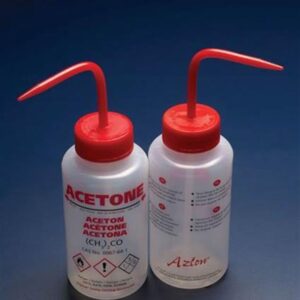
Multi-lingual wide neck Azlon wash bottles featuring the patented DripLok vapour venting valve that prevents solvent drips
Indelibly printed in up to four languages; English, French, German and Spanish
Choose from five solvent labels all including the new Globally Harmonised Symbols, NFPA diamond, risk phrases and safety information
Fitted with colour coded one-piece PP closures that maintain their shape in use
Closures feature precision jet-tip aperture for fine control
Cleaning, autoclaving and maintenance plasticware Azlon??plasticware is reusable but how long it lasts depends on how well you treat it! Follow these guidelines to keep your Azlon??plasticware in the best possible condition.
1. What chemicals are coming into contact with your plasticware?
Chemicals can adversely affect the performance of plasticware even resulting in damage. Make sure you use the most suitable polymer for the chemical. For example, if you are working with Acetone you should always choose LDPE over HDPE as products made of HDPE are likely to incur immediate damage. Why not consult the plastic technical guide if you are unsure.
2. How do you wash and clean your Azlon??plasticware?
Azlon??plasticware should be cleaned in warm water with Lipsol detergent and a soft cloth or sponge. To prevent scratching and ink removal, abrasive cleaners and scouring pads should be avoided. If you?re using an automatic laboratory washing machine, be sure to use temperatures below 60?C. This is especially important for volumetric plasticware as high temperatures can affect their accuracy.
3. Can Azlon??products be autoclaved?
A selection of Azlon??products are suitable for autoclaving. In general, if a product is made from polypropylene or PMP, it is suitable for autoclaving at 121?C or 135?C respectively. If you are still unsure then look at the 'A' symbol as all items that are autoclavable display a red Azlon??symbol next to them. When autoclaving plastic bottles care must be taken to ensure that the cap is completely loosened to prevent deformation of the bottle. Reattaching the cap before the bottle has sufficiently cooled will also cause deformation. We recommend completely removing the cap before autoclaving and attaching the cap to the side of the bottles with autoclave tape to keep track of the components.
We hope these guidelines help your Azlon??plasticware last longer and don?t forget to contact us if you have any questions!
Information has been? provided by DWK Ltd. Feefo Reviews Product Attachments Azlon Technical Guide (4.55 MB)
₦50,000.00Original price was: ₦50,000.00.₦3,380.00Current price is: ₦3,380.00.
₦50,000.00Original price was: ₦50,000.00.₦3,380.00Current price is: ₦3,380.00.Add to basketQuick View
Sale
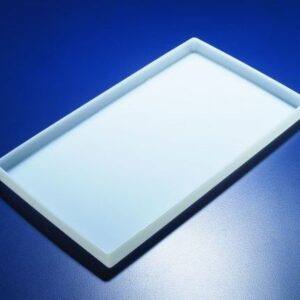
Rigid and robust rectangular fabricated polypropylene instrument trays with 22mm deep vertical sides.
Autoclaveable at 121°C making it ideal for sterilising equipment. Cleaning, autoclaving and maintenance plasticware Azlon??plasticware is reusable but how long it lasts depends on how well you treat it! Follow these guidelines to keep your Azlon??plasticware in the best possible condition.
1. What chemicals are coming into contact with your plasticware?
Chemicals can adversely affect the performance of plasticware even resulting in damage. Make sure you use the most suitable polymer for the chemical. For example, if you are working with Acetone you should always choose LDPE over HDPE as products made of HDPE are likely to incur immediate damage. Why not consult the plastic technical guide if you are unsure.
2. How do you wash and clean your Azlon??plasticware?
Azlon??plasticware should be cleaned in warm water with Lipsol detergent and a soft cloth or sponge. To prevent scratching and ink removal, abrasive cleaners and scouring pads should be avoided. If you?re using an automatic laboratory washing machine, be sure to use temperatures below 60?C. This is especially important for volumetric plasticware as high temperatures can affect their accuracy.
3. Can Azlon??products be autoclaved?
A selection of Azlon??products are suitable for autoclaving. In general, if a product is made from polypropylene or PMP, it is suitable for autoclaving at 121?C or 135?C respectively. If you are still unsure then look at the 'A' symbol as all items that are autoclavable display a red Azlon??symbol next to them. When autoclaving plastic bottles care must be taken to ensure that the cap is completely loosened to prevent deformation of the bottle. Reattaching the cap before the bottle has sufficiently cooled will also cause deformation. We recommend completely removing the cap before autoclaving and attaching the cap to the side of the bottles with autoclave tape to keep track of the components.
We hope these guidelines help your Azlon??plasticware last longer and don?t forget to contact us if you have any questions!
Information has been? provided by DWK Ltd. Feefo Reviews Product Attachments Azlon Reusable Plastic Labware (4.55 MB) Azlon Technical Guide (4.55 MB) More Information More Information ColourWhite MaterialPolypropylene (PP) Autoclavable?Yes
₦50,000.00Original price was: ₦50,000.00.₦41,975.00Current price is: ₦41,975.00.
₦50,000.00Original price was: ₦50,000.00.₦41,975.00Current price is: ₦41,975.00.Add to basketQuick View
Sale
Rigid and robust rectangular fabricated polypropylene instrument trays with 22mm deep vertical sides.
Autoclaveable at 121°C making it ideal for sterilising equipment.
Dimensions = 200 x 350mm Cleaning, autoclaving and maintenance plasticware Azlon??plasticware is reusable but how long it lasts depends on how well you treat it! Follow these guidelines to keep your Azlon??plasticware in the best possible condition.
1. What chemicals are coming into contact with your plasticware?
Chemicals can adversely affect the performance of plasticware even resulting in damage. Make sure you use the most suitable polymer for the chemical. For example, if you are working with Acetone you should always choose LDPE over HDPE as products made of HDPE are likely to incur immediate damage. Why not consult the plastic technical guide if you are unsure.
2. How do you wash and clean your Azlon??plasticware?
Azlon??plasticware should be cleaned in warm water with Lipsol detergent and a soft cloth or sponge. To prevent scratching and ink removal, abrasive cleaners and scouring pads should be avoided. If you?re using an automatic laboratory washing machine, be sure to use temperatures below 60?C. This is especially important for volumetric plasticware as high temperatures can affect their accuracy.
3. Can Azlon??products be autoclaved?
A selection of Azlon??products are suitable for autoclaving. In general, if a product is made from polypropylene or PMP, it is suitable for autoclaving at 121?C or 135?C respectively. If you are still unsure then look at the 'A' symbol as all items that are autoclavable display a red Azlon??symbol next to them. When autoclaving plastic bottles care must be taken to ensure that the cap is completely loosened to prevent deformation of the bottle. Reattaching the cap before the bottle has sufficiently cooled will also cause deformation. We recommend completely removing the cap before autoclaving and attaching the cap to the side of the bottles with autoclave tape to keep track of the components.
We hope these guidelines help your Azlon??plasticware last longer and don?t forget to contact us if you have any questions!
Information has been? provided by DWK Ltd. Feefo Reviews Product Attachments Azlon Reusable Plastic Labware (4.55 MB) Azlon Technical Guide (4.55 MB) More Information More Information MaterialPolypropylene (PP) Autoclavable?Yes
₦50,370.00Original price was: ₦50,370.00.₦41,975.00Current price is: ₦41,975.00.
₦50,370.00Original price was: ₦50,370.00.₦41,975.00Current price is: ₦41,975.00.Add to basketQuick View
Sale
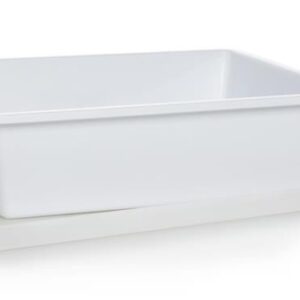
Rigid and robust rectangular fabricated polypropylene instrument tray with 22mm deep vertical sides.
Autoclaveable at 121°C making it ideal for sterilising equipment.
Dimensions = 610 x 350mm. Cleaning, autoclaving and maintenance plasticware Azlon??plasticware is reusable but how long it lasts depends on how well you treat it! Follow these guidelines to keep your Azlon??plasticware in the best possible condition.
1. What chemicals are coming into contact with your plasticware?
Chemicals can adversely affect the performance of plasticware even resulting in damage. Make sure you use the most suitable polymer for the chemical. For example, if you are working with Acetone you should always choose LDPE over HDPE as products made of HDPE are likely to incur immediate damage. Why not consult the plastic technical guide if you are unsure.
2. How do you wash and clean your Azlon??plasticware?
Azlon??plasticware should be cleaned in warm water with Lipsol detergent and a soft cloth or sponge. To prevent scratching and ink removal, abrasive cleaners and scouring pads should be avoided. If you?re using an automatic laboratory washing machine, be sure to use temperatures below 60?C. This is especially important for volumetric plasticware as high temperatures can affect their accuracy.
3. Can Azlon??products be autoclaved?
A selection of Azlon??products are suitable for autoclaving. In general, if a product is made from polypropylene or PMP, it is suitable for autoclaving at 121?C or 135?C respectively. If you are still unsure then look at the 'A' symbol as all items that are autoclavable display a red Azlon??symbol next to them. When autoclaving plastic bottles care must be taken to ensure that the cap is completely loosened to prevent deformation of the bottle. Reattaching the cap before the bottle has sufficiently cooled will also cause deformation. We recommend completely removing the cap before autoclaving and attaching the cap to the side of the bottles with autoclave tape to keep track of the components.
We hope these guidelines help your Azlon??plasticware last longer and don?t forget to contact us if you have any questions!
Information has been? provided by DWK Ltd. Feefo Reviews Product Attachments Azlon Reusable Plastic Labware (4.55 MB) Azlon Technical Guide (4.55 MB) More Information More Information MaterialPolypropylene (PP) Autoclavable?Yes
₦117,450.00Original price was: ₦117,450.00.₦97,875.00Current price is: ₦97,875.00.
₦117,450.00Original price was: ₦117,450.00.₦97,875.00Current price is: ₦97,875.00.Add to basketQuick View
Sale
Polypropylene screw cap containers
Wide neck containers with liner-less screw caps
Autoclavable
Good chemical resistance
Ideal for storage of samples, powders, animal feeds etc.
Available sizes from 30ml to 1.2L
Cleaning, autoclaving and maintenance plasticware Azlon??plasticware is reusable but how long it lasts depends on how well you treat it! Follow these guidelines to keep your Azlon??plasticware in the best possible condition.
1. What chemicals are coming into contact with your plasticware?
Chemicals can adversely affect the performance of plasticware even resulting in damage. Make sure you use the most suitable polymer for the chemical. For example, if you are working with Acetone you should always choose LDPE over HDPE as products made of HDPE are likely to incur immediate damage. Why not consult the plastic technical guide if you are unsure.
2. How do you wash and clean your Azlon??plasticware?
Azlon??plasticware should be cleaned in warm water with Lipsol detergent and a soft cloth or sponge. To prevent scratching and ink removal, abrasive cleaners and scouring pads should be avoided. If you?re using an automatic laboratory washing machine, be sure to use temperatures below 60?C. This is especially important for volumetric plasticware as high temperatures can affect their accuracy.
3. Can Azlon??products be autoclaved?
A selection of Azlon??products are suitable for autoclaving. In general, if a product is made from polypropylene or PMP, it is suitable for autoclaving at 121?C or 135?C respectively. If you are still unsure then look at the 'A' symbol as all items that are autoclavable display a red Azlon??symbol next to them. When autoclaving plastic bottles care must be taken to ensure that the cap is completely loosened to prevent deformation of the bottle. Reattaching the cap before the bottle has sufficiently cooled will also cause deformation. We recommend completely removing the cap before autoclaving and attaching the cap to the side of the bottles with autoclave tape to keep track of the components.
We hope these guidelines help your Azlon??plasticware last longer and don?t forget to contact us if you have any questions!
Information has been? provided by DWK Ltd. Feefo Reviews Product Attachments Azlon Reusable Plastic Labware (4.55 MB) Azlon Technical Guide (4.55 MB) More Information More Information Autoclavable?Yes MaterialPolypropylene (PP)
₦50,000.00Original price was: ₦50,000.00.₦28,675.00Current price is: ₦28,675.00.
₦50,000.00Original price was: ₦50,000.00.₦28,675.00Current price is: ₦28,675.00.Add to basketQuick View
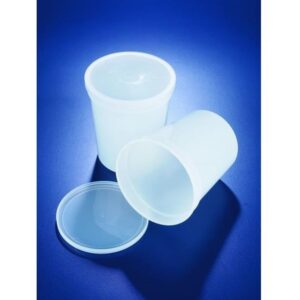
Azlon lightweight tapered polypropyle containers with snap on tight fitting lids
Excellent chemical resistance and will withstand disinfection by boiling
Ideal for the storage of samples and powders?
Imprinted with S.P.I. recycling codes
Suitable for food contact applications in accordance with USA regulations
Available sizes 125ml to 5L?
Cleaning, autoclaving and maintenance plasticware Azlon??plasticware is reusable but how long it lasts depends on how well you treat it! Follow these guidelines to keep your Azlon??plasticware in the best possible condition.
1. What chemicals are coming into contact with your plasticware?
Chemicals can adversely affect the performance of plasticware even resulting in damage. Make sure you use the most suitable polymer for the chemical. For example, if you are working with Acetone you should always choose LDPE over HDPE as products made of HDPE are likely to incur immediate damage. Why not consult the plastic technical guide if you are unsure.
2. How do you wash and clean your Azlon??plasticware?
Azlon??plasticware should be cleaned in warm water with Lipsol detergent and a soft cloth or sponge. To prevent scratching and ink removal, abrasive cleaners and scouring pads should be avoided. If you?re using an automatic laboratory washing machine, be sure to use temperatures below 60?C. This is especially important for volumetric plasticware as high temperatures can affect their accuracy.
3. Can Azlon??products be autoclaved?
A selection of Azlon??products are suitable for autoclaving. In general, if a product is made from polypropylene or PMP, it is suitable for autoclaving at 121?C or 135?C respectively. If you are still unsure then look at the 'A' symbol as all items that are autoclavable display a red Azlon??symbol next to them. When autoclaving plastic bottles care must be taken to ensure that the cap is completely loosened to prevent deformation of the bottle. Reattaching the cap before the bottle has sufficiently cooled will also cause deformation. We recommend completely removing the cap before autoclaving and attaching the cap to the side of the bottles with autoclave tape to keep track of the components.
We hope these guidelines help your Azlon??plasticware last longer and don?t forget to contact us if you have any questions!
Information has been? provided by DWK Ltd. Feefo Reviews Product Attachments Azlon Reusable Plastic Labware (4.55 MB) Azlon Technical Guide (4.55 MB) More Information More Information MaterialPolypropylene (PP)
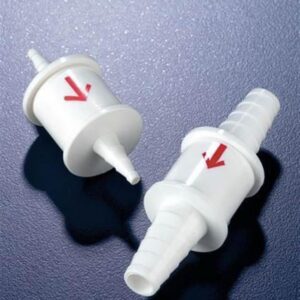
Designed for use in vacuum lines and fluid handling systems, these non-return valves prevent back pressure in filter flasks and other processes.Useful for preventing back pressure in filter flasks.Printed arrow indicates the direction of flow permitted.Rigid construction with stepped tapered arms to give firm grip on tubing. Cleaning, autoclaving and maintenance plasticware Azlon??plasticware is reusable but how long it lasts depends on how well you treat it! Follow these guidelines to keep your Azlon??plasticware in the best possible condition.
1. What chemicals are coming into contact with your plasticware?
Chemicals can adversely affect the performance of plasticware even resulting in damage. Make sure you use the most suitable polymer for the chemical. For example, if you are working with Acetone you should always choose LDPE over HDPE as products made of HDPE are likely to incur immediate damage. Why not consult the plastic technical guide if you are unsure.
2. How do you wash and clean your Azlon??plasticware?
Azlon??plasticware should be cleaned in warm water with Lipsol detergent and a soft cloth or sponge. To prevent scratching and ink removal, abrasive cleaners and scouring pads should be avoided. If you?re using an automatic laboratory washing machine, be sure to use temperatures below 60?C. This is especially important for volumetric plasticware as high temperatures can affect their accuracy.
3. Can Azlon??products be autoclaved?
A selection of Azlon??products are suitable for autoclaving. In general, if a product is made from polypropylene or PMP, it is suitable for autoclaving at 121?C or 135?C respectively. If you are still unsure then look at the 'A' symbol as all items that are autoclavable display a red Azlon??symbol next to them. When autoclaving plastic bottles care must be taken to ensure that the cap is completely loosened to prevent deformation of the bottle. Reattaching the cap before the bottle has sufficiently cooled will also cause deformation. We recommend completely removing the cap before autoclaving and attaching the cap to the side of the bottles with autoclave tape to keep track of the components.
We hope these guidelines help your Azlon??plasticware last longer and don?t forget to contact us if you have any questions!
Information has been? provided by DWK Ltd. Feefo Reviews Product Attachments Azlon Reusable Plastic Labware (4.55 MB) Azlon Technical Guide (4.55 MB)
₦50,000.00Original price was: ₦50,000.00.₦19,480.00Current price is: ₦19,480.00.
₦50,000.00Original price was: ₦50,000.00.₦19,480.00Current price is: ₦19,480.00.Add to basketQuick View
Sale
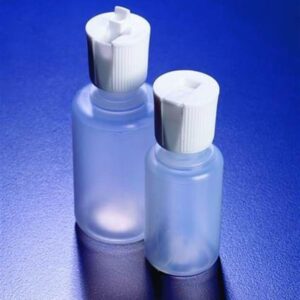
Round LDPE bottles fitted with a pivoting nozzle closure
Nozzle retracts into cap to seal bottle
Suitable for use as a dropping or wash bottle and excellent for dispensing gels
Good resistance to chemical attack
Cleaning, autoclaving and maintenance plasticware Azlon??plasticware is reusable but how long it lasts depends on how well you treat it! Follow these guidelines to keep your Azlon??plasticware in the best possible condition.
1. What chemicals are coming into contact with your plasticware?
Chemicals can adversely affect the performance of plasticware even resulting in damage. Make sure you use the most suitable polymer for the chemical. For example, if you are working with Acetone you should always choose LDPE over HDPE as products made of HDPE are likely to incur immediate damage. Why not consult the plastic technical guide if you are unsure.
2. How do you wash and clean your Azlon??plasticware?
Azlon??plasticware should be cleaned in warm water with Lipsol detergent and a soft cloth or sponge. To prevent scratching and ink removal, abrasive cleaners and scouring pads should be avoided. If you?re using an automatic laboratory washing machine, be sure to use temperatures below 60?C. This is especially important for volumetric plasticware as high temperatures can affect their accuracy.
3. Can Azlon??products be autoclaved?
A selection of Azlon??products are suitable for autoclaving. In general, if a product is made from polypropylene or PMP, it is suitable for autoclaving at 121?C or 135?C respectively. If you are still unsure then look at the 'A' symbol as all items that are autoclavable display a red Azlon??symbol next to them. When autoclaving plastic bottles care must be taken to ensure that the cap is completely loosened to prevent deformation of the bottle. Reattaching the cap before the bottle has sufficiently cooled will also cause deformation. We recommend completely removing the cap before autoclaving and attaching the cap to the side of the bottles with autoclave tape to keep track of the components.
We hope these guidelines help your Azlon??plasticware last longer and don?t forget to contact us if you have any questions!
Information has been? provided by DWK Ltd. Feefo Reviews
₦50,000.00Original price was: ₦50,000.00.₦10,435.00Current price is: ₦10,435.00.
₦50,000.00Original price was: ₦50,000.00.₦10,435.00Current price is: ₦10,435.00.Add to basketQuick View
Sale
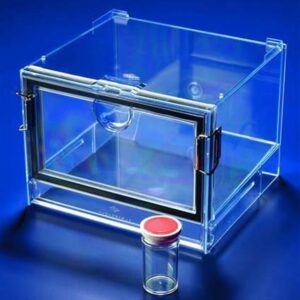
The Azlon? stacking desiccator cabinet provides moisture-free storage with an airtight door and is supplied with silica gel.Features:Provides moisture-proof storageClear high impact polystyrene cabinetSpace saving stacking featureAirtight door made from acrylonitrile-styrene with foam rubber gasketSupplied with sealed jar of silica gelDimensions:External L225 x W208 x H170mmInternal L190 x W175 x H110mmDoor Opening 188 x 110mm Cleaning, autoclaving and maintenance plasticware Azlon??plasticware is reusable but how long it lasts depends on how well you treat it! Follow these guidelines to keep your Azlon??plasticware in the best possible condition.
1. What chemicals are coming into contact with your plasticware?
Chemicals can adversely affect the performance of plasticware even resulting in damage. Make sure you use the most suitable polymer for the chemical. For example, if you are working with Acetone you should always choose LDPE over HDPE as products made of HDPE are likely to incur immediate damage. Why not consult the plastic technical guide if you are unsure.
2. How do you wash and clean your Azlon??plasticware?
Azlon??plasticware should be cleaned in warm water with Lipsol detergent and a soft cloth or sponge. To prevent scratching and ink removal, abrasive cleaners and scouring pads should be avoided. If you?re using an automatic laboratory washing machine, be sure to use temperatures below 60?C. This is especially important for volumetric plasticware as high temperatures can affect their accuracy.
3. Can Azlon??products be autoclaved?
A selection of Azlon??products are suitable for autoclaving. In general, if a product is made from polypropylene or PMP, it is suitable for autoclaving at 121?C or 135?C respectively. If you are still unsure then look at the 'A' symbol as all items that are autoclavable display a red Azlon??symbol next to them. When autoclaving plastic bottles care must be taken to ensure that the cap is completely loosened to prevent deformation of the bottle. Reattaching the cap before the bottle has sufficiently cooled will also cause deformation. We recommend completely removing the cap before autoclaving and attaching the cap to the side of the bottles with autoclave tape to keep track of the components.
We hope these guidelines help your Azlon??plasticware last longer and don?t forget to contact us if you have any questions!
Information has been? provided by DWK Ltd. Feefo Reviews Related Blogs A simple guide to desiccators
Desiccators are sealed containers that are used for drying samples under atmospheric pressure or vacuum pressure. These can also protect chemicals that are hygroscopic, as well as protect samples from dust and moisture in the air. Desiccators can be made of glass, polypropylene and polycarbonate, or acrylic in cabinet form. Below is a simple guide to desiccators.
Illustration of a desiccato...2 years ago How do I measure suspended solids? How is the gravimetric method different to other methods? The measurement of Suspended Solids is often required for discharge consent, and values may be reported to the Environment Agency (EA). [caption id="attachment_8215" align="aligncenter" width="200"] Suspended solids give water a cloudy appearance[/caption] There are several methods for testing the suspended solids present in a water sample, here we discuss the differences between the differen...8 years ago Nalgene Desiccator Cabinets - a larger way to preserve moisture sensitive items A Desiccator is a sealable enclosure containing desiccants used for preserving moisture sensitive items. They are used to protect chemicals which are hygroscopic or react with water from humidity. The most common desiccators in the laboratory are round and made of heavy glass which usually has a removable platform on which smaller items such as watch glasses or crucibles can be placed and st...11 years ago
₦169,360.00Original price was: ₦169,360.00.₦141,135.00Current price is: ₦141,135.00.
₦169,360.00Original price was: ₦169,360.00.₦141,135.00Current price is: ₦141,135.00.Add to basketQuick View
Sale
Azlon storage Box
Made from tough HDPE
Suitable for food contact applications in accordance with EU regulations
Lightweight and unbreakable in normal use
Tight fitting snap on lids create an airtight seal
Suitable for general and refrigerated storage down to -50?C
Cleaning, autoclaving and maintenance plasticware Azlon??plasticware is reusable but how long it lasts depends on how well you treat it! Follow these guidelines to keep your Azlon??plasticware in the best possible condition.
1. What chemicals are coming into contact with your plasticware?
Chemicals can adversely affect the performance of plasticware even resulting in damage. Make sure you use the most suitable polymer for the chemical. For example, if you are working with Acetone you should always choose LDPE over HDPE as products made of HDPE are likely to incur immediate damage. Why not consult the plastic technical guide if you are unsure.
2. How do you wash and clean your Azlon??plasticware?
Azlon??plasticware should be cleaned in warm water with Lipsol detergent and a soft cloth or sponge. To prevent scratching and ink removal, abrasive cleaners and scouring pads should be avoided. If you?re using an automatic laboratory washing machine, be sure to use temperatures below 60?C. This is especially important for volumetric plasticware as high temperatures can affect their accuracy.
3. Can Azlon??products be autoclaved?
A selection of Azlon??products are suitable for autoclaving. In general, if a product is made from polypropylene or PMP, it is suitable for autoclaving at 121?C or 135?C respectively. If you are still unsure then look at the 'A' symbol as all items that are autoclavable display a red Azlon??symbol next to them. When autoclaving plastic bottles care must be taken to ensure that the cap is completely loosened to prevent deformation of the bottle. Reattaching the cap before the bottle has sufficiently cooled will also cause deformation. We recommend completely removing the cap before autoclaving and attaching the cap to the side of the bottles with autoclave tape to keep track of the components.
We hope these guidelines help your Azlon??plasticware last longer and don?t forget to contact us if you have any questions!
Information has been? provided by DWK Ltd. Feefo Reviews More Information More Information Food ContactYes
₦7,495.00Original price was: ₦7,495.00.₦6,245.00Current price is: ₦6,245.00.
₦7,495.00Original price was: ₦7,495.00.₦6,245.00Current price is: ₦6,245.00.Add to basketQuick View
Sale
Azlon storage Box
Made from tough HDPE
Suitable for food contact applications in accordance with EU regulations
Lightweight and unbreakable in normal use
Tight fitting snap on lids create an airtight seal
Suitable for general and refrigerated storage down to -50?C
Cleaning, autoclaving and maintenance plasticware Azlon??plasticware is reusable but how long it lasts depends on how well you treat it! Follow these guidelines to keep your Azlon??plasticware in the best possible condition.
1. What chemicals are coming into contact with your plasticware?
Chemicals can adversely affect the performance of plasticware even resulting in damage. Make sure you use the most suitable polymer for the chemical. For example, if you are working with Acetone you should always choose LDPE over HDPE as products made of HDPE are likely to incur immediate damage. Why not consult the plastic technical guide if you are unsure.
2. How do you wash and clean your Azlon??plasticware?
Azlon??plasticware should be cleaned in warm water with Lipsol detergent and a soft cloth or sponge. To prevent scratching and ink removal, abrasive cleaners and scouring pads should be avoided. If you?re using an automatic laboratory washing machine, be sure to use temperatures below 60?C. This is especially important for volumetric plasticware as high temperatures can affect their accuracy.
3. Can Azlon??products be autoclaved?
A selection of Azlon??products are suitable for autoclaving. In general, if a product is made from polypropylene or PMP, it is suitable for autoclaving at 121?C or 135?C respectively. If you are still unsure then look at the 'A' symbol as all items that are autoclavable display a red Azlon??symbol next to them. When autoclaving plastic bottles care must be taken to ensure that the cap is completely loosened to prevent deformation of the bottle. Reattaching the cap before the bottle has sufficiently cooled will also cause deformation. We recommend completely removing the cap before autoclaving and attaching the cap to the side of the bottles with autoclave tape to keep track of the components.
We hope these guidelines help your Azlon??plasticware last longer and don?t forget to contact us if you have any questions!
Information has been? provided by DWK Ltd. Feefo Reviews More Information More Information Food ContactYes
₦5,040.00Original price was: ₦5,040.00.₦4,200.00Current price is: ₦4,200.00.
₦5,040.00Original price was: ₦5,040.00.₦4,200.00Current price is: ₦4,200.00.Add to basketQuick View
Sale
Azlon storage Box
Made from tough HDPE
Suitable for food contact applications in accordance with EU regulations
Lightweight and unbreakable in normal use
Tight fitting snap on lids create an airtight seal
Suitable for general and refrigerated storage down to -50?C
Cleaning, autoclaving and maintenance plasticware Azlon??plasticware is reusable but how long it lasts depends on how well you treat it! Follow these guidelines to keep your Azlon??plasticware in the best possible condition.
1. What chemicals are coming into contact with your plasticware?
Chemicals can adversely affect the performance of plasticware even resulting in damage. Make sure you use the most suitable polymer for the chemical. For example, if you are working with Acetone you should always choose LDPE over HDPE as products made of HDPE are likely to incur immediate damage. Why not consult the plastic technical guide if you are unsure.
2. How do you wash and clean your Azlon??plasticware?
Azlon??plasticware should be cleaned in warm water with Lipsol detergent and a soft cloth or sponge. To prevent scratching and ink removal, abrasive cleaners and scouring pads should be avoided. If you?re using an automatic laboratory washing machine, be sure to use temperatures below 60?C. This is especially important for volumetric plasticware as high temperatures can affect their accuracy.
3. Can Azlon??products be autoclaved?
A selection of Azlon??products are suitable for autoclaving. In general, if a product is made from polypropylene or PMP, it is suitable for autoclaving at 121?C or 135?C respectively. If you are still unsure then look at the 'A' symbol as all items that are autoclavable display a red Azlon??symbol next to them. When autoclaving plastic bottles care must be taken to ensure that the cap is completely loosened to prevent deformation of the bottle. Reattaching the cap before the bottle has sufficiently cooled will also cause deformation. We recommend completely removing the cap before autoclaving and attaching the cap to the side of the bottles with autoclave tape to keep track of the components.
We hope these guidelines help your Azlon??plasticware last longer and don?t forget to contact us if you have any questions!
Information has been? provided by DWK Ltd. Feefo Reviews More Information More Information Food ContactYes

 Azlon LDPE specimen containers with hinged caps Containers with captive hinged cap suitable for many applications Lightweight and unbreakable in normal use Can withstand temperatures up to 80°C Available sizes 1ml to 25ml Cleaning, autoclaving and maintenance plasticware Azlon??plasticware is reusable but how long it lasts depends on how well you treat it! Follow these guidelines to keep your Azlon??plasticware in the best possible condition. 1. What chemicals are coming into contact with your plasticware? Chemicals can adversely affect the performance of plasticware even resulting in damage. Make sure you use the most suitable polymer for the chemical. For example, if you are working with Acetone you should always choose LDPE over HDPE as products made of HDPE are likely to incur immediate damage. Why not consult the plastic technical guide if you are unsure. 2. How do you wash and clean your Azlon??plasticware? Azlon??plasticware should be cleaned in warm water with Lipsol detergent and a soft cloth or sponge. To prevent scratching and ink removal, abrasive cleaners and scouring pads should be avoided. If you?re using an automatic laboratory washing machine, be sure to use temperatures below 60?C. This is especially important for volumetric plasticware as high temperatures can affect their accuracy. 3. Can Azlon??products be autoclaved? A selection of Azlon??products are suitable for autoclaving. In general, if a product is made from polypropylene or PMP, it is suitable for autoclaving at 121?C or 135?C respectively. If you are still unsure then look at the 'A' symbol as all items that are autoclavable display a red Azlon??symbol next to them. When autoclaving plastic bottles care must be taken to ensure that the cap is completely loosened to prevent deformation of the bottle. Reattaching the cap before the bottle has sufficiently cooled will also cause deformation. We recommend completely removing the cap before autoclaving and attaching the cap to the side of the bottles with autoclave tape to keep track of the components. We hope these guidelines help your Azlon??plasticware last longer and don?t forget to contact us if you have any questions! Information has been? provided by DWK Ltd. Feefo Reviews Product Attachments Azlon Reusable Plastic Labware (4.55 MB) Azlon Technical Guide (4.55 MB) More Information More Information Autoclavable?No Sterile?No MaterialLDPE
 Lightweight polypropylene funnels with ribs that prevent air locks Allowing rapid filtration Autoclavable to 121?C Made from food grade plastic Cleaning, autoclaving and maintenance plasticware Azlon??plasticware is reusable but how long it lasts depends on how well you treat it! Follow these guidelines to keep your Azlon??plasticware in the best possible condition. 1. What chemicals are coming into contact with your plasticware? Chemicals can adversely affect the performance of plasticware even resulting in damage. Make sure you use the most suitable polymer for the chemical. For example, if you are working with Acetone you should always choose LDPE over HDPE as products made of HDPE are likely to incur immediate damage. Why not consult the plastic technical guide if you are unsure. 2. How do you wash and clean your Azlon??plasticware? Azlon??plasticware should be cleaned in warm water with Lipsol detergent and a soft cloth or sponge. To prevent scratching and ink removal, abrasive cleaners and scouring pads should be avoided. If you?re using an automatic laboratory washing machine, be sure to use temperatures below 60?C. This is especially important for volumetric plasticware as high temperatures can affect their accuracy. 3. Can Azlon??products be autoclaved? A selection of Azlon??products are suitable for autoclaving. In general, if a product is made from polypropylene or PMP, it is suitable for autoclaving at 121?C or 135?C respectively. If you are still unsure then look at the 'A' symbol as all items that are autoclavable display a red Azlon??symbol next to them. When autoclaving plastic bottles care must be taken to ensure that the cap is completely loosened to prevent deformation of the bottle. Reattaching the cap before the bottle has sufficiently cooled will also cause deformation. We recommend completely removing the cap before autoclaving and attaching the cap to the side of the bottles with autoclave tape to keep track of the components. We hope these guidelines help your Azlon??plasticware last longer and don?t forget to contact us if you have any questions! Information has been? provided by DWK Ltd. Feefo Reviews Related Blogs How do I measure suspended solids? How is the gravimetric method different to other methods? The measurement of Suspended Solids is often required for discharge consent, and values may be reported to the Environment Agency (EA). [caption id="attachment_8215" align="aligncenter" width="200"] Suspended solids give water a cloudy appearance[/caption] There are several methods for testing the suspended solids present in a water sample, here we discuss the differences between the differen...8 years ago More Information More Information MaterialPolypropylene (PP)
 Azlon Measuring Cylinder Squat form PP, Class B
 Azlon Measuring Cylinders, PP, Moulded Graduations Conform to ISO 6706 Ultra clear polypropylene with good chemical resistance Large pouring spout for easy dispensing Stable hexagonal bases with non slip anti-suction feature Permanent moulded graduations Specifications Manufacturer Code Capacity ml Height mm Tolerance ? ml CP0010P 10 145 0.20 CP0025P 25 170 0.50 CP0050P 50 200 1.00 CP0100P 100 250 1.00 CP0250P 250 315 2.00 CP0500P 500 360 5.00 CP1000P 1000 440 10.00 CP2000P 2000 535 20.00 Cleaning, autoclaving and maintenance plasticware Azlon??plasticware is reusable but how long it lasts depends on how well you treat it! Follow these guidelines to keep your Azlon??plasticware in the best possible condition. 1. What chemicals are coming into contact with your plasticware? Chemicals can adversely affect the performance of plasticware even resulting in damage. Make sure you use the most suitable polymer for the chemical. For example, if you are working with Acetone you should always choose LDPE over HDPE as products made of HDPE are likely to incur immediate damage. Why not consult the plastic technical guide if you are unsure. 2. How do you wash and clean your Azlon??plasticware? Azlon??plasticware should be cleaned in warm water with Lipsol detergent and a soft cloth or sponge. To prevent scratching and ink removal, abrasive cleaners and scouring pads should be avoided. If you?re using an automatic laboratory washing machine, be sure to use temperatures below 60?C. This is especially important for volumetric plasticware as high temperatures can affect their accuracy. 3. Can Azlon??products be autoclaved? A selection of Azlon??products are suitable for autoclaving. In general, if a product is made from polypropylene or PMP, it is suitable for autoclaving at 121?C or 135?C respectively. If you are still unsure then look at the 'A' symbol as all items that are autoclavable display a red Azlon??symbol next to them. When autoclaving plastic bottles care must be taken to ensure that the cap is completely loosened to prevent deformation of the bottle. Reattaching the cap before the bottle has sufficiently cooled will also cause deformation. We recommend completely removing the cap before autoclaving and attaching the cap to the side of the bottles with autoclave tape to keep track of the components. We hope these guidelines help your Azlon??plasticware last longer and don?t forget to contact us if you have any questions! Information has been? provided by DWK Ltd. Feefo Reviews More Information More Information MaterialPolypropylene (PP)
 Multi-lingual wide neck Azlon wash bottles featuring the patented DripLok vapour venting valve that prevents solvent drips Indelibly printed in up to four languages; English, French, German and Spanish Choose from five solvent labels all including the new Globally Harmonised Symbols, NFPA diamond, risk phrases and safety information Fitted with colour coded one-piece PP closures that maintain their shape in use Closures feature precision jet-tip aperture for fine control Cleaning, autoclaving and maintenance plasticware Azlon??plasticware is reusable but how long it lasts depends on how well you treat it! Follow these guidelines to keep your Azlon??plasticware in the best possible condition. 1. What chemicals are coming into contact with your plasticware? Chemicals can adversely affect the performance of plasticware even resulting in damage. Make sure you use the most suitable polymer for the chemical. For example, if you are working with Acetone you should always choose LDPE over HDPE as products made of HDPE are likely to incur immediate damage. Why not consult the plastic technical guide if you are unsure. 2. How do you wash and clean your Azlon??plasticware? Azlon??plasticware should be cleaned in warm water with Lipsol detergent and a soft cloth or sponge. To prevent scratching and ink removal, abrasive cleaners and scouring pads should be avoided. If you?re using an automatic laboratory washing machine, be sure to use temperatures below 60?C. This is especially important for volumetric plasticware as high temperatures can affect their accuracy. 3. Can Azlon??products be autoclaved? A selection of Azlon??products are suitable for autoclaving. In general, if a product is made from polypropylene or PMP, it is suitable for autoclaving at 121?C or 135?C respectively. If you are still unsure then look at the 'A' symbol as all items that are autoclavable display a red Azlon??symbol next to them. When autoclaving plastic bottles care must be taken to ensure that the cap is completely loosened to prevent deformation of the bottle. Reattaching the cap before the bottle has sufficiently cooled will also cause deformation. We recommend completely removing the cap before autoclaving and attaching the cap to the side of the bottles with autoclave tape to keep track of the components. We hope these guidelines help your Azlon??plasticware last longer and don?t forget to contact us if you have any questions! Information has been? provided by DWK Ltd. Feefo Reviews Product Attachments Azlon Technical Guide (4.55 MB)
 Rigid and robust rectangular fabricated polypropylene instrument trays with 22mm deep vertical sides. Autoclaveable at 121°C making it ideal for sterilising equipment. Cleaning, autoclaving and maintenance plasticware Azlon??plasticware is reusable but how long it lasts depends on how well you treat it! Follow these guidelines to keep your Azlon??plasticware in the best possible condition. 1. What chemicals are coming into contact with your plasticware? Chemicals can adversely affect the performance of plasticware even resulting in damage. Make sure you use the most suitable polymer for the chemical. For example, if you are working with Acetone you should always choose LDPE over HDPE as products made of HDPE are likely to incur immediate damage. Why not consult the plastic technical guide if you are unsure. 2. How do you wash and clean your Azlon??plasticware? Azlon??plasticware should be cleaned in warm water with Lipsol detergent and a soft cloth or sponge. To prevent scratching and ink removal, abrasive cleaners and scouring pads should be avoided. If you?re using an automatic laboratory washing machine, be sure to use temperatures below 60?C. This is especially important for volumetric plasticware as high temperatures can affect their accuracy. 3. Can Azlon??products be autoclaved? A selection of Azlon??products are suitable for autoclaving. In general, if a product is made from polypropylene or PMP, it is suitable for autoclaving at 121?C or 135?C respectively. If you are still unsure then look at the 'A' symbol as all items that are autoclavable display a red Azlon??symbol next to them. When autoclaving plastic bottles care must be taken to ensure that the cap is completely loosened to prevent deformation of the bottle. Reattaching the cap before the bottle has sufficiently cooled will also cause deformation. We recommend completely removing the cap before autoclaving and attaching the cap to the side of the bottles with autoclave tape to keep track of the components. We hope these guidelines help your Azlon??plasticware last longer and don?t forget to contact us if you have any questions! Information has been? provided by DWK Ltd. Feefo Reviews Product Attachments Azlon Reusable Plastic Labware (4.55 MB) Azlon Technical Guide (4.55 MB) More Information More Information ColourWhite MaterialPolypropylene (PP) Autoclavable?Yes
 Rigid and robust rectangular fabricated polypropylene instrument tray with 22mm deep vertical sides. Autoclaveable at 121°C making it ideal for sterilising equipment. Dimensions = 610 x 350mm. Cleaning, autoclaving and maintenance plasticware Azlon??plasticware is reusable but how long it lasts depends on how well you treat it! Follow these guidelines to keep your Azlon??plasticware in the best possible condition. 1. What chemicals are coming into contact with your plasticware? Chemicals can adversely affect the performance of plasticware even resulting in damage. Make sure you use the most suitable polymer for the chemical. For example, if you are working with Acetone you should always choose LDPE over HDPE as products made of HDPE are likely to incur immediate damage. Why not consult the plastic technical guide if you are unsure. 2. How do you wash and clean your Azlon??plasticware? Azlon??plasticware should be cleaned in warm water with Lipsol detergent and a soft cloth or sponge. To prevent scratching and ink removal, abrasive cleaners and scouring pads should be avoided. If you?re using an automatic laboratory washing machine, be sure to use temperatures below 60?C. This is especially important for volumetric plasticware as high temperatures can affect their accuracy. 3. Can Azlon??products be autoclaved? A selection of Azlon??products are suitable for autoclaving. In general, if a product is made from polypropylene or PMP, it is suitable for autoclaving at 121?C or 135?C respectively. If you are still unsure then look at the 'A' symbol as all items that are autoclavable display a red Azlon??symbol next to them. When autoclaving plastic bottles care must be taken to ensure that the cap is completely loosened to prevent deformation of the bottle. Reattaching the cap before the bottle has sufficiently cooled will also cause deformation. We recommend completely removing the cap before autoclaving and attaching the cap to the side of the bottles with autoclave tape to keep track of the components. We hope these guidelines help your Azlon??plasticware last longer and don?t forget to contact us if you have any questions! Information has been? provided by DWK Ltd. Feefo Reviews Product Attachments Azlon Reusable Plastic Labware (4.55 MB) Azlon Technical Guide (4.55 MB) More Information More Information MaterialPolypropylene (PP) Autoclavable?Yes
 Polypropylene screw cap containers Wide neck containers with liner-less screw caps Autoclavable Good chemical resistance Ideal for storage of samples, powders, animal feeds etc. Available sizes from 30ml to 1.2L Cleaning, autoclaving and maintenance plasticware Azlon??plasticware is reusable but how long it lasts depends on how well you treat it! Follow these guidelines to keep your Azlon??plasticware in the best possible condition. 1. What chemicals are coming into contact with your plasticware? Chemicals can adversely affect the performance of plasticware even resulting in damage. Make sure you use the most suitable polymer for the chemical. For example, if you are working with Acetone you should always choose LDPE over HDPE as products made of HDPE are likely to incur immediate damage. Why not consult the plastic technical guide if you are unsure. 2. How do you wash and clean your Azlon??plasticware? Azlon??plasticware should be cleaned in warm water with Lipsol detergent and a soft cloth or sponge. To prevent scratching and ink removal, abrasive cleaners and scouring pads should be avoided. If you?re using an automatic laboratory washing machine, be sure to use temperatures below 60?C. This is especially important for volumetric plasticware as high temperatures can affect their accuracy. 3. Can Azlon??products be autoclaved? A selection of Azlon??products are suitable for autoclaving. In general, if a product is made from polypropylene or PMP, it is suitable for autoclaving at 121?C or 135?C respectively. If you are still unsure then look at the 'A' symbol as all items that are autoclavable display a red Azlon??symbol next to them. When autoclaving plastic bottles care must be taken to ensure that the cap is completely loosened to prevent deformation of the bottle. Reattaching the cap before the bottle has sufficiently cooled will also cause deformation. We recommend completely removing the cap before autoclaving and attaching the cap to the side of the bottles with autoclave tape to keep track of the components. We hope these guidelines help your Azlon??plasticware last longer and don?t forget to contact us if you have any questions! Information has been? provided by DWK Ltd. Feefo Reviews Product Attachments Azlon Reusable Plastic Labware (4.55 MB) Azlon Technical Guide (4.55 MB) More Information More Information Autoclavable?Yes MaterialPolypropylene (PP)
 Azlon lightweight tapered polypropyle containers with snap on tight fitting lids Excellent chemical resistance and will withstand disinfection by boiling Ideal for the storage of samples and powders? Imprinted with S.P.I. recycling codes Suitable for food contact applications in accordance with USA regulations Available sizes 125ml to 5L? Cleaning, autoclaving and maintenance plasticware Azlon??plasticware is reusable but how long it lasts depends on how well you treat it! Follow these guidelines to keep your Azlon??plasticware in the best possible condition. 1. What chemicals are coming into contact with your plasticware? Chemicals can adversely affect the performance of plasticware even resulting in damage. Make sure you use the most suitable polymer for the chemical. For example, if you are working with Acetone you should always choose LDPE over HDPE as products made of HDPE are likely to incur immediate damage. Why not consult the plastic technical guide if you are unsure. 2. How do you wash and clean your Azlon??plasticware? Azlon??plasticware should be cleaned in warm water with Lipsol detergent and a soft cloth or sponge. To prevent scratching and ink removal, abrasive cleaners and scouring pads should be avoided. If you?re using an automatic laboratory washing machine, be sure to use temperatures below 60?C. This is especially important for volumetric plasticware as high temperatures can affect their accuracy. 3. Can Azlon??products be autoclaved? A selection of Azlon??products are suitable for autoclaving. In general, if a product is made from polypropylene or PMP, it is suitable for autoclaving at 121?C or 135?C respectively. If you are still unsure then look at the 'A' symbol as all items that are autoclavable display a red Azlon??symbol next to them. When autoclaving plastic bottles care must be taken to ensure that the cap is completely loosened to prevent deformation of the bottle. Reattaching the cap before the bottle has sufficiently cooled will also cause deformation. We recommend completely removing the cap before autoclaving and attaching the cap to the side of the bottles with autoclave tape to keep track of the components. We hope these guidelines help your Azlon??plasticware last longer and don?t forget to contact us if you have any questions! Information has been? provided by DWK Ltd. Feefo Reviews Product Attachments Azlon Reusable Plastic Labware (4.55 MB) Azlon Technical Guide (4.55 MB) More Information More Information MaterialPolypropylene (PP)
 Designed for use in vacuum lines and fluid handling systems, these non-return valves prevent back pressure in filter flasks and other processes.Useful for preventing back pressure in filter flasks.Printed arrow indicates the direction of flow permitted.Rigid construction with stepped tapered arms to give firm grip on tubing. Cleaning, autoclaving and maintenance plasticware Azlon??plasticware is reusable but how long it lasts depends on how well you treat it! Follow these guidelines to keep your Azlon??plasticware in the best possible condition. 1. What chemicals are coming into contact with your plasticware? Chemicals can adversely affect the performance of plasticware even resulting in damage. Make sure you use the most suitable polymer for the chemical. For example, if you are working with Acetone you should always choose LDPE over HDPE as products made of HDPE are likely to incur immediate damage. Why not consult the plastic technical guide if you are unsure. 2. How do you wash and clean your Azlon??plasticware? Azlon??plasticware should be cleaned in warm water with Lipsol detergent and a soft cloth or sponge. To prevent scratching and ink removal, abrasive cleaners and scouring pads should be avoided. If you?re using an automatic laboratory washing machine, be sure to use temperatures below 60?C. This is especially important for volumetric plasticware as high temperatures can affect their accuracy. 3. Can Azlon??products be autoclaved? A selection of Azlon??products are suitable for autoclaving. In general, if a product is made from polypropylene or PMP, it is suitable for autoclaving at 121?C or 135?C respectively. If you are still unsure then look at the 'A' symbol as all items that are autoclavable display a red Azlon??symbol next to them. When autoclaving plastic bottles care must be taken to ensure that the cap is completely loosened to prevent deformation of the bottle. Reattaching the cap before the bottle has sufficiently cooled will also cause deformation. We recommend completely removing the cap before autoclaving and attaching the cap to the side of the bottles with autoclave tape to keep track of the components. We hope these guidelines help your Azlon??plasticware last longer and don?t forget to contact us if you have any questions! Information has been? provided by DWK Ltd. Feefo Reviews Product Attachments Azlon Reusable Plastic Labware (4.55 MB) Azlon Technical Guide (4.55 MB)
 Round LDPE bottles fitted with a pivoting nozzle closure Nozzle retracts into cap to seal bottle Suitable for use as a dropping or wash bottle and excellent for dispensing gels Good resistance to chemical attack Cleaning, autoclaving and maintenance plasticware Azlon??plasticware is reusable but how long it lasts depends on how well you treat it! Follow these guidelines to keep your Azlon??plasticware in the best possible condition. 1. What chemicals are coming into contact with your plasticware? Chemicals can adversely affect the performance of plasticware even resulting in damage. Make sure you use the most suitable polymer for the chemical. For example, if you are working with Acetone you should always choose LDPE over HDPE as products made of HDPE are likely to incur immediate damage. Why not consult the plastic technical guide if you are unsure. 2. How do you wash and clean your Azlon??plasticware? Azlon??plasticware should be cleaned in warm water with Lipsol detergent and a soft cloth or sponge. To prevent scratching and ink removal, abrasive cleaners and scouring pads should be avoided. If you?re using an automatic laboratory washing machine, be sure to use temperatures below 60?C. This is especially important for volumetric plasticware as high temperatures can affect their accuracy. 3. Can Azlon??products be autoclaved? A selection of Azlon??products are suitable for autoclaving. In general, if a product is made from polypropylene or PMP, it is suitable for autoclaving at 121?C or 135?C respectively. If you are still unsure then look at the 'A' symbol as all items that are autoclavable display a red Azlon??symbol next to them. When autoclaving plastic bottles care must be taken to ensure that the cap is completely loosened to prevent deformation of the bottle. Reattaching the cap before the bottle has sufficiently cooled will also cause deformation. We recommend completely removing the cap before autoclaving and attaching the cap to the side of the bottles with autoclave tape to keep track of the components. We hope these guidelines help your Azlon??plasticware last longer and don?t forget to contact us if you have any questions! Information has been? provided by DWK Ltd. Feefo Reviews
 The Azlon? stacking desiccator cabinet provides moisture-free storage with an airtight door and is supplied with silica gel.Features:Provides moisture-proof storageClear high impact polystyrene cabinetSpace saving stacking featureAirtight door made from acrylonitrile-styrene with foam rubber gasketSupplied with sealed jar of silica gelDimensions:External L225 x W208 x H170mmInternal L190 x W175 x H110mmDoor Opening 188 x 110mm Cleaning, autoclaving and maintenance plasticware Azlon??plasticware is reusable but how long it lasts depends on how well you treat it! Follow these guidelines to keep your Azlon??plasticware in the best possible condition. 1. What chemicals are coming into contact with your plasticware? Chemicals can adversely affect the performance of plasticware even resulting in damage. Make sure you use the most suitable polymer for the chemical. For example, if you are working with Acetone you should always choose LDPE over HDPE as products made of HDPE are likely to incur immediate damage. Why not consult the plastic technical guide if you are unsure. 2. How do you wash and clean your Azlon??plasticware? Azlon??plasticware should be cleaned in warm water with Lipsol detergent and a soft cloth or sponge. To prevent scratching and ink removal, abrasive cleaners and scouring pads should be avoided. If you?re using an automatic laboratory washing machine, be sure to use temperatures below 60?C. This is especially important for volumetric plasticware as high temperatures can affect their accuracy. 3. Can Azlon??products be autoclaved? A selection of Azlon??products are suitable for autoclaving. In general, if a product is made from polypropylene or PMP, it is suitable for autoclaving at 121?C or 135?C respectively. If you are still unsure then look at the 'A' symbol as all items that are autoclavable display a red Azlon??symbol next to them. When autoclaving plastic bottles care must be taken to ensure that the cap is completely loosened to prevent deformation of the bottle. Reattaching the cap before the bottle has sufficiently cooled will also cause deformation. We recommend completely removing the cap before autoclaving and attaching the cap to the side of the bottles with autoclave tape to keep track of the components. We hope these guidelines help your Azlon??plasticware last longer and don?t forget to contact us if you have any questions! Information has been? provided by DWK Ltd. Feefo Reviews Related Blogs A simple guide to desiccators Desiccators are sealed containers that are used for drying samples under atmospheric pressure or vacuum pressure. These can also protect chemicals that are hygroscopic, as well as protect samples from dust and moisture in the air. Desiccators can be made of glass, polypropylene and polycarbonate, or acrylic in cabinet form. Below is a simple guide to desiccators. Illustration of a desiccato...2 years ago How do I measure suspended solids? How is the gravimetric method different to other methods? The measurement of Suspended Solids is often required for discharge consent, and values may be reported to the Environment Agency (EA). [caption id="attachment_8215" align="aligncenter" width="200"] Suspended solids give water a cloudy appearance[/caption] There are several methods for testing the suspended solids present in a water sample, here we discuss the differences between the differen...8 years ago Nalgene Desiccator Cabinets - a larger way to preserve moisture sensitive items A Desiccator is a sealable enclosure containing desiccants used for preserving moisture sensitive items. They are used to protect chemicals which are hygroscopic or react with water from humidity. The most common desiccators in the laboratory are round and made of heavy glass which usually has a removable platform on which smaller items such as watch glasses or crucibles can be placed and st...11 years ago
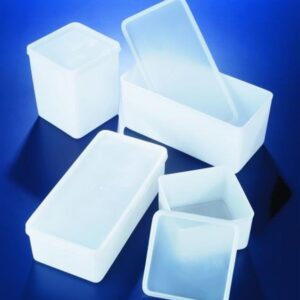 Azlon storage Box Made from tough HDPE Suitable for food contact applications in accordance with EU regulations Lightweight and unbreakable in normal use Tight fitting snap on lids create an airtight seal Suitable for general and refrigerated storage down to -50?C Cleaning, autoclaving and maintenance plasticware Azlon??plasticware is reusable but how long it lasts depends on how well you treat it! Follow these guidelines to keep your Azlon??plasticware in the best possible condition. 1. What chemicals are coming into contact with your plasticware? Chemicals can adversely affect the performance of plasticware even resulting in damage. Make sure you use the most suitable polymer for the chemical. For example, if you are working with Acetone you should always choose LDPE over HDPE as products made of HDPE are likely to incur immediate damage. Why not consult the plastic technical guide if you are unsure. 2. How do you wash and clean your Azlon??plasticware? Azlon??plasticware should be cleaned in warm water with Lipsol detergent and a soft cloth or sponge. To prevent scratching and ink removal, abrasive cleaners and scouring pads should be avoided. If you?re using an automatic laboratory washing machine, be sure to use temperatures below 60?C. This is especially important for volumetric plasticware as high temperatures can affect their accuracy. 3. Can Azlon??products be autoclaved? A selection of Azlon??products are suitable for autoclaving. In general, if a product is made from polypropylene or PMP, it is suitable for autoclaving at 121?C or 135?C respectively. If you are still unsure then look at the 'A' symbol as all items that are autoclavable display a red Azlon??symbol next to them. When autoclaving plastic bottles care must be taken to ensure that the cap is completely loosened to prevent deformation of the bottle. Reattaching the cap before the bottle has sufficiently cooled will also cause deformation. We recommend completely removing the cap before autoclaving and attaching the cap to the side of the bottles with autoclave tape to keep track of the components. We hope these guidelines help your Azlon??plasticware last longer and don?t forget to contact us if you have any questions! Information has been? provided by DWK Ltd. Feefo Reviews More Information More Information Food ContactYes
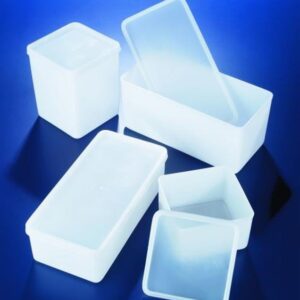 Azlon storage Box Made from tough HDPE Suitable for food contact applications in accordance with EU regulations Lightweight and unbreakable in normal use Tight fitting snap on lids create an airtight seal Suitable for general and refrigerated storage down to -50?C Cleaning, autoclaving and maintenance plasticware Azlon??plasticware is reusable but how long it lasts depends on how well you treat it! Follow these guidelines to keep your Azlon??plasticware in the best possible condition. 1. What chemicals are coming into contact with your plasticware? Chemicals can adversely affect the performance of plasticware even resulting in damage. Make sure you use the most suitable polymer for the chemical. For example, if you are working with Acetone you should always choose LDPE over HDPE as products made of HDPE are likely to incur immediate damage. Why not consult the plastic technical guide if you are unsure. 2. How do you wash and clean your Azlon??plasticware? Azlon??plasticware should be cleaned in warm water with Lipsol detergent and a soft cloth or sponge. To prevent scratching and ink removal, abrasive cleaners and scouring pads should be avoided. If you?re using an automatic laboratory washing machine, be sure to use temperatures below 60?C. This is especially important for volumetric plasticware as high temperatures can affect their accuracy. 3. Can Azlon??products be autoclaved? A selection of Azlon??products are suitable for autoclaving. In general, if a product is made from polypropylene or PMP, it is suitable for autoclaving at 121?C or 135?C respectively. If you are still unsure then look at the 'A' symbol as all items that are autoclavable display a red Azlon??symbol next to them. When autoclaving plastic bottles care must be taken to ensure that the cap is completely loosened to prevent deformation of the bottle. Reattaching the cap before the bottle has sufficiently cooled will also cause deformation. We recommend completely removing the cap before autoclaving and attaching the cap to the side of the bottles with autoclave tape to keep track of the components. We hope these guidelines help your Azlon??plasticware last longer and don?t forget to contact us if you have any questions! Information has been? provided by DWK Ltd. Feefo Reviews More Information More Information Food ContactYes
 No products in the cart.