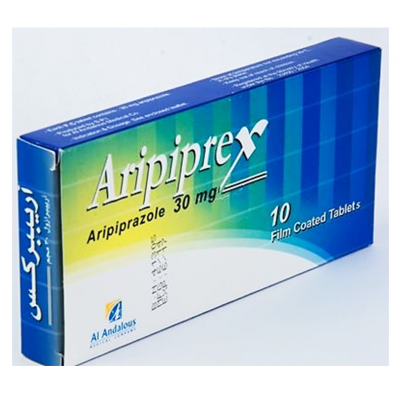
Aripiprex 30 mg ( Aripiprazole ) 20 film-coated tablets
Why it’s used
Aripiprex Tablet is a prescription medicine that is used to treat schizophrenia, irritability associated with a serious developmental disorder, illness of the brain and moderate to severe manic episodes in bipolar I disorder. This medicine works by altering the activity of certain natural chemicals in the brain. Aripiprex Tablet is also used for the acute treatment of manic and mixed episodes associated with bipolar I disorder in adults, for the adjunctive treatment of major depressive disorder, to treat agitation associated with schizophrenia or bipolar mania (for injection), and to prevent new manic episode in adults who previously experienced manic episodes.
Aripiprex Tablet may also be used along with other medicines in the treatment of certain conditions as recommended by the doctor. It is used with antidepressants to treat major depressive disorder. It is also used together with Lithium, or Valproate to treat bipolar mania.
When not to use
Aripiprex Tablet cannot be used to treat dementia-related psychosis.
Atypical Antipsychotics
Aripiprex belongs to the Atypical Antipsychotics class of medicines. Atypical antipsychotics are a group of antipsychotic drugs used to treat psychiatric conditions. These medicines are used to treat schizophrenia, bipolar disorder, autism, and used along with other medicines in the treatment of major depressive disorder.
?
How to use
Read the directions on the product label, patient guide, or medicine guide provided by the medicine company or your pharmacist before starting to use Aripiprex Tablet. If you have any questions related to this medicine, ask your doctor or pharmacist. Use this medicine as recommended by your doctor.
Aripiprex Tablet is used with or without food. Swallow the whole tablet with water. This medicine should be taken once a daily without regard to meals.
Typical Dosage
The typical dose of Aripiprex is 5-15 mg/day (not more than 30 mg in one day). The usual dose for children is 5-10 mg/day without regard to meals. The maximum adult dose of Aripiprex is 30 mg/day in a day.
?
You should continue to use this medicine as directed by the doctor even if you feel well.
To decrease the possibility of side-effects, you might be recommended to use the extended-release form of this medicine by your doctor. The extended-release medicine helps in maintaining a steady level of the medicine in your body for a longer period of time. Do not crush or chew the medicine, unless indicated on the package or by your doctor.
If using the orally-disintegrating form of this medicine, make sure you do not consume any food or fluid 5 minutes before or after taking this medicine. Before taking the medicine out of the package, wash your hands thoroughly. Place the medicine on the tongue. Make sure you do not chew or swallow the medicine. You do not need to drink water after consuming the medicine. In certain cases, the medicine can taste slightly bitter. Also, ensure that you do not break or split the medicine.
Aripiprex injection is indicated for intramuscular use only. Injection should be injected slowly and deeply into the muscle mass. The injection form of the medicine should not be used on the vein, or under the skin
If using the liquid form of this medicine, measure the dose using the provided measuring cup, spoon, or dropper. Before pouring the medicine into the measuring device, you should check the measurement markings carefully. Then, pour the dose amount into the device. After use, clean and store the measuring device in a safe place for your next use. You should not use a tablespoon or teaspoon as the dose measuring devices since it can result in an incorrect dose. If indicated on the product package, shake the medicine before use.
Talk to Your Doctor
Talk to your doctor if your condition persists or worsens or if you develop new symptoms. Tell your doctor if thoughts about suicide or dying, depression, anxiety, feeling very agitated or restless, panic attacks, insomnia, irritability, a sudden feeling or desire, an extreme increase in activity and talking, and other unusual changes in behavior or mood. You should consult with your doctor before stopping the use of Aripiprex.
?
Your doctor may recommend a lower initial dose of this medicine to see the impact of this medicine on the body. Please follow your doctor’s directions. Taking a higher dose of this medicine may increase the risk of side-effects. Older patients may see an increase in the incidence of side-effects with this medicine. As a result, a lower dose may be recommended for older patients.
When stopping this medicine, you may experience withdrawal symptoms such as involuntary body movements (tardive dyskinesia), agitation, increased muscle tone (hypertonia), decreased muscle tone (hypotonia), tremor, drowsiness, trouble breathing (respiratory distress), and feeding disorder. You may need to gradually decrease the dose of this medicine before stopping.
Use in Children
If you are giving Aripiprex Tablet to a child, be sure to use a product that is meant for children. Before giving this medicine to a child, use the child’s weight or age to find the right dose from the product package. You can also read the dosage section of this page to know the correct dose for your child. Else, consult with your doctor and follow their recommendation.
Avoid Alcohol
Avoid the consumption of alcohol with Aripiprex. Avoid grapefruit juice while using Aripiprex. Consult with the doctor about drinking grapefruit juice while taking Aripiprex therapy.
Lab Tests
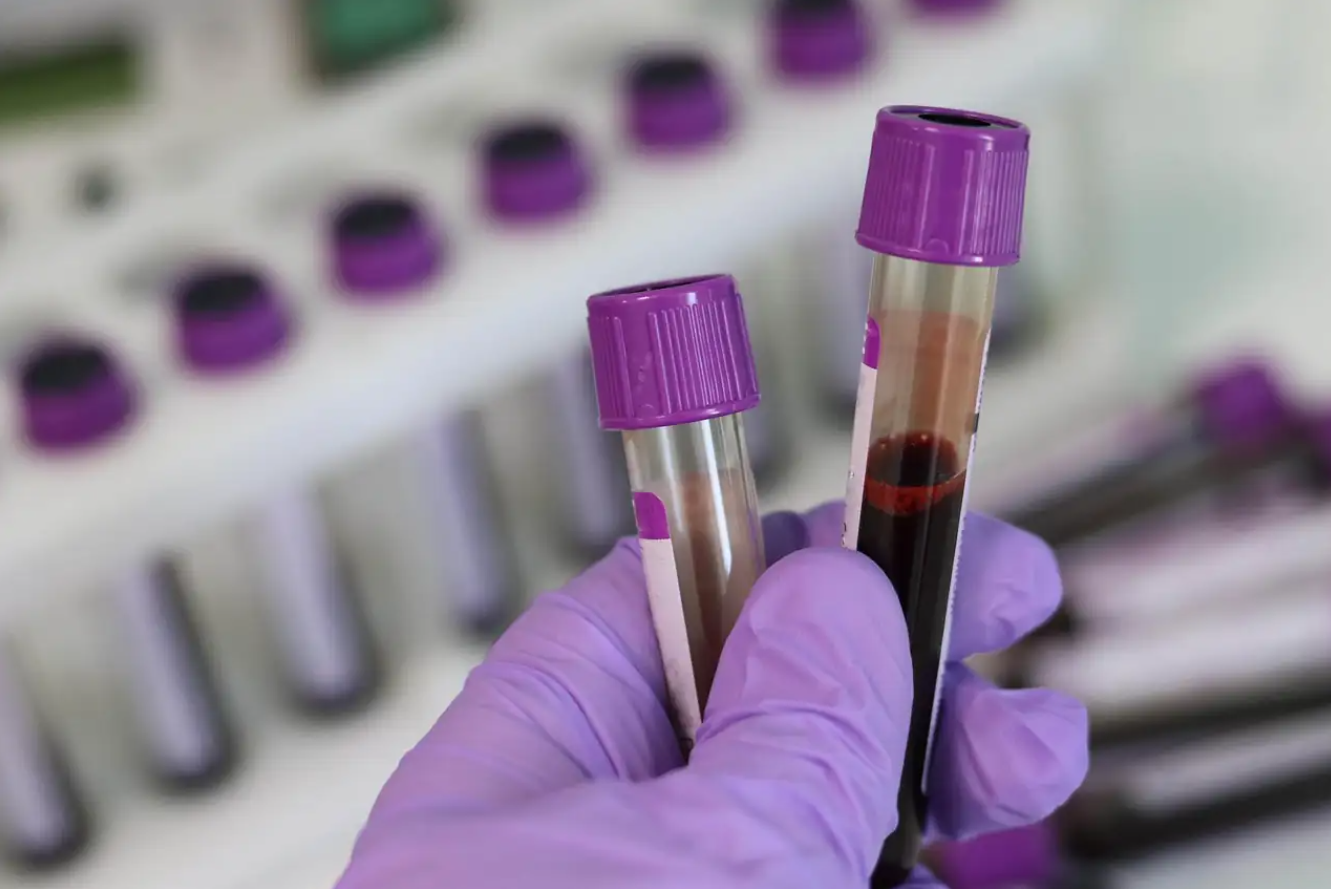
Your doctor may request that specific lab tests be performed before you start using Aripiprex Tablet. You may need to have Blood Glucose test. Blood glucose should be checked before starting the treatment because high blood sugar can happen during the therapy.
Storage
You should store Aripiprex Tablet at 25?C (77?F), and away from moisture. Store the medicine away from the reach of children and pets.
Medicines may be prescribed for uses other than those listed in the medicine guide. Do not use Aripiprex Tablet for conditions for which it was not prescribed. Do not give Aripiprex Tablet to other people who might have the same conditions or symptoms that you have. Self-medication may harm them.
?
How to take Aripiprex
The dose and frequency of using Aripiprex will depend on the following factors:
age of the patient
the weight of the patient
medicines recommended by the doctor
any other medicines being used
herbal supplements being used
Aripiprex Dosage
Dosage for schizophrenia
Adult
Recommended: 10-15 mg/day and maintenance dose 15 mg/day
Initial: 10-15 mg/day
Maximum: 30 mg/day
Children (13-17 years)
Recommended: 10 mg/day
Initial: 2 mg/day
Maximum: 30 mg/day
Dosage for manic episodes in bipolar I disorder
Adult
Recommended: 15 mg/day as monotherapy or as combined therapy with lithium or valproate
Initial: 15 mg/day as monotherapy and 10-15 mg/day as combined therapy with lithium or valproate
Maximum: 30 mg/day
Children (10 to 17 years)
Recommended: 10 mg/day as monotherapy or as combined therapy with lithium or valproate
Initial: 2 mg/day as monotherapy or as combined therapy with lithium or valproate
Maximum: 30 mg/day
Dosage for adjunctive treatment of major depressive disorder
Adult
Recommended: 5-10 mg/day
Initial: 2-5 mg/day
Maximum: 15 mg/day
Dosage for irritability associated with developmental disorder
Children (6 to 17 years)
Recommended: 5 to 15 mg/day
Initial: 2 mg/day
Maximum: 15 mg/day
Dosage for illness of the brain (Tourette?s disorder)
Children (6 to 18 years)
Recommended: 5 mg/day in patients <50 kg (<22.7 lb) Initial: 2 mg/day in patients <50 kg (<22.7 lb) Maximum: 10 mg/day in patients <50 kg (<22.7 lb) Children (6 to 18 years) Recommended: 10 mg/day in patients ?50 kg (?22.7 lb) Initial: 2 mg/day in patients ?50 kg (?22.7 lb) Maximum: 20 mg/day in patients ?50 kg (?22.7 lb) Dosage for agitation associated with schizophrenia/bipolar mania Adult Recommended: 5.25 to 15 mg/day Initial: 9.75 mg/1.3 ml (injection in the muscle) Maximum: 30 mg/day Dosage calculation for children To calculate the dosage for children please use the weight based dose calculator to calculate the appropriate dosage as per the weight of your child. ? Forms Tablet, orally disintegrating Strength: 10 mg, 15 mg, and 30 mg Tablet Strength: 2 mg, 5 mg, 10 mg, 15 mg, 20 mg, and 30 mg Solution Strength: 1 mg/mL Injection, powder, lyophilized, for suspension, extended release Strength: 300 mg/1.5 ml, 400 mg/2.0 ml Injection, powder, for suspension, extended release Strength: 300 mg, 400 mg Injection, solution Strength: 9.75 mg/1.3 ml Special Instructions Injection (in the muscles) Wait at least 2 hours between doses. The maximum daily dose is 30 mg/day. Oral formulations Drink plenty of water every day while taking Aripiprex. Orally disintegrating tablet Do not push the tablet through the foil. Use dry hands during handling the tablet. Immediately take out the tablet from the package and place the whole tablet on the tongue. The tablet will rapidly dissolve in saliva and this medicine can be swallowed without liquid. However, if necessary, the tablet can be taken with liquid. Do not attempt to split the tablet. Oral solution Oral solution can be used for up to 6 months after opening. Missed Dose A missed dose should be taken as early as you remember it. However, if the time for the next dose is almost there, then the missed dose should be skipped, and the regular dosing schedule should be continued. Avoid taking a repeated dose to make up for a missed dose. ? Overdose What to do if you overdose on Aripiprex? An electrocardiogram should be done in case of overdose and, if abnormal heart rhythm occurs, heart monitoring should be considered. Ventilation, oxygenation, adequate airway, and symptoms management along with supportive therapy should be considered in the management of overdose. Monitoring and medical supervision should be continued until the condition of the patient improves. The harmful effects of Aripiprex are also be reduced by taking activated charcoal which preventing the absorption of Aripiprex. Symptoms of an overdose of Aripiprex If you use too much of this medicine, it could lead to dangerous levels of the medicine in your body. In such cases, symptoms of an overdose may include: abnormally fast or slow heart rate aggression coma confusional state convulsion depressed level of consciousness diarrhea drowsiness drug-induced movement disorders epilepsy (status epilepticus) excess of acid in the blood (acidosis) increased blood creatine phosphokinase increased enzyme aspartate aminotransferase increased or decreased blood pressure lethargy loss of consciousness low potassium levels lung infection (pneumonia aspiration) nausea prolonged heartbeat (prolonged QRS complex/prolonged QT) respiratory arrest tremor vomiting If you think you have overdosed on Aripiprex Tablet, call a poison control center immediately. You can look up the poison control center information from the Poison Center Finder at TabletWise.com. ? Precautions while using Aripiprex Before you use Aripiprex, tell your doctor of your medical and health history including the following: a family history of suicide, bipolar disorder, and depression attention-deficit/hyperactivity disorder blood clots blood vessel related heart and brain diseases build up of phenylalanine in the body (phenylketonuria) drug abuse excessive gambling high blood glucose high cholesterol levels (dyslipidemia) learning abnormalities (Alzheimer's dementia) low levels of white blood cells and neutrophils mental disorder associated with learning abnormality (dementia-related psychosis) obesity patients taking antidepressants, antifungal, anticonvulsants, antibiotics, antihistamines, quinidine, sleeping pills or other medicines used to treat human immunodeficiency virus infection, irritable bowel syndrome, anxiety, high blood pressure, urinary problems, mental illness, or ulcers schizophrenia seizure thyroid or pituitary tumor uncontrollable and reoccurring thoughts (obsessive-compulsive disorder) Patients with a history of depression or other serious brain illness are at increased risk of suicidal thoughts and actions when using Aripiprex. Aripiprex may cause low or high blood pressure in patients with a history of heart disease. Obese patients or patients with a history of high blood sugar may experience an increased level of glucose and acids in the blood (diabetic ketoacidosis) or complication due to high blood sugar (hyperosmolar coma) when using Aripiprex. Weight gain can occur in patients with a history of thyroid or pituitary cancer (adenoma) when using Aripiprex. This may also occur in schizophrenic and bipolar mania patients when using Aripiprex. Elderly patients with a mental disorder associated learning abnormality (dementia-related psychosis) using Aripiprex are at an increased risk of lack of energy (lethargy), drowsiness, involuntary passage of urine (urinary incontinence), lightheadedness and stroke/transient ischemic attack, which can be possibly fatal. Patients with a history of learning abnormalities (Alzheimer's dementia) are at increased risk of complications due to inhalation of food, acid, and saliva (aspiration pneumonia) when using Aripiprex. Before you use Aripiprex, tell your doctor if you are allergic to it or its ingredients. Your doctor may prescribe an alternative medicine and update your medical records to record this information. Before having any surgery, discuss with your doctor and dentist about medicines you use including prescription medicines, non-prescription medicines, and herbal supplements. The use of Aripiprex Tablet may change body weight. Aripiprex may cause an increase or decrease in weight in patients taking this medicine. The use of this medicine may change fat levels. Aripiprex may cause an abnormal increase in the levels of lipids (cholesterol and triglycerides) in the blood. The use of Aripiprex Tablet may change blood sugar. Aripiprex may cause high blood sugar or worsen the blood sugar in patients taking Aripiprex or in patients with high blood sugar respectively. These patients should be observed for symptoms and signs of high blood sugar such as weakness, increased thirst or urine passage and excessive eating. The use of this medicine may change white blood cells. Aripiprex may decrease the number of leukocytes (leukopenia), granulocytes, or neutrophils in the blood. This medicine should be discontinued on the occurrence of neutropenia. The use of this medicine may change heart rate and blood pressure. Aripiprex may cause a decrease in blood pressure and increase in heart rate on quickly standing up. Use when Pregnant Aripiprex should be used only when required in patients who are pregnant or planning to become pregnant. When pregnant women use Aripiprex during the third trimester of pregnancy, it may cause side effects such as birth defects, anxiety, increased or decreased muscle tone, tremor, trouble breathing (respiratory distress), drowsiness, and feeding disorder in the neonates. Neonates should be monitored for side effects. Aripiprex should be used during pregnancy only after considering the potential benefits and risks to the fetus. If Breastfeeding Aripiprex Tablet should be used while breastfeeding only when required. Aripiprex may pass into breast milk which may cause harmful effects to the infants. A decision to discontinue Aripiprex or nursing should be made after considering the importance of Aripiprex to the mother. If trying to Conceive Aripiprex is known to be safe for use in women who are trying to conceive a baby. Aripiprex does not affect the conceiving ability as per the data based on the reproductive studies. Alcohol Avoid drinking alcohol with Aripiprex. Consumption of alcohol may cause sedation, and drowsiness. Seizures Aripiprex can make you feel sleepy. Be careful, especially while driving, while using heavy machinery, or when doing any activity that needs you to be completely alert. The consumption of alcohol with Aripiprex can worsen the sleepiness. Aripiprex may cause seizures in some people. Hence, you should discuss with your doctor before performing any activities where a loss of consciousness may cause harm to you or others. Increase in Risk This medicine may increase your sensitivity to sunlight and make you prone to sunburn. If this happens, limit your time outdoors to prevent sunburn. Use a sunscreen and cover your skin. Side-effects in Older Patients Older patients may have a higher incidence of side-effects when using Aripiprex Tablet. Elderly patients may see an increased risk of stroke, heart failure, lung infection (pneumonia), possibly fatal, involuntary body movements (tardive dyskinesia), respiratory complication due to inhalation of food, acid or saliva in the lung (aspiration pneumonia), lack of energy (lethargy), drowsiness, involuntary passage of urine, excessive salivation, and lightheadedness. Side-effects in Children Younger patients may have a higher incidence of side-effects with Aripiprex Tablet. Younger patients may see an increased risk of suicidal thinking and behavior. ? Aripiprex Side-effects The following side-effects may commonly occur when using Aripiprex Tablet. If any of these side-effects worsen or last for a long time, you should consult with your doctor: abnormal voluntary movement (dyskinesia) anxiety bed-wetting blurred vision cold (nasopharyngitis) constipation decrease in the number of leukocytes dizziness dropping saliva uncontrollably from the mouth (drooling) drowsiness/sedation drug-induced movement disorders dry mouth excessive production of saliva fatigue feeling of restlessness feeling sleepy fever headache high blood glucose increased and decreased heartbeat increased blood insulin increased or decreased appetite increased or decreased weight indigestion insomnia lack of energy low blood pressure on quickly standing up muscle stiffness muscle twitching nausea stuffy nose tremor upper abdominal pain upper respiratory illness vomiting ? The following side-effects may commonly occur in older patients on the use of Aripiprex Tablet. Discuss with your doctor if any of these side-effects last for a long time or are severe: drowsiness excessive salivation involuntary passage of urine (urinary incontinence) lack of energy lightheadedness possibly fatal stroke The following side-effects may commonly occur in children when using Aripiprex Tablet. Discuss with your doctor if any of these side-effects last for a long time or are severe: abnormal voluntary movement (dyskinesia) bed-wetting blurred vision cold (nasopharyngitis) decrease in the number of leukocytes dizziness dropping saliva uncontrollably from the mouth (drooling) drowsiness/sedation drug-induced movement disorders dry mouth fatigue feeling of restlessness feeling sleepy fever headache increased and decreased heartbeat increased blood insulin increased or decreased appetite increased or decreased weight insomnia lack of energy low blood pressure on quickly standing up muscle stiffness muscle twitching nausea restlessness salivary hypersecretion stuffy nose tremor upper abdominal pain vomiting Rarely, the use of Aripiprex Tablet may cause the following side-effects: abdominal discomfort abnormal coordination acid reflux (gastroesophageal reflux disease) aggression behavioural syndrome marked by an inability to move normally (catatonia) bleeding from the nasal cavity breast pain chest pain choreoathetosis cogwheel rigidity cough decreased ability to move (mobility) diarrhea difficulty in breathing disturbance in attention double vision (diplopia) drug induced prolonged and uncontrolled moved eye in an upward direction dry tongue enlargement of the breast glands erectile dysfunction excessive sweating excessive urination at night (nocturia) extreme sensitivity to light (photophobia) fainting fall fluid buildup in lower limbs hair loss hiccups hives impulse-control disorders such as gambling incraesed sexual desire increase and decrease in levels of prolactin in the blood increased blood urea increased glycosylated hemoglobin increased levels of prolactin in the blood increased liver enzyme increased or decreased sexual drive involuntary body movements (tardive dyskinesia) involuntary muscle contractions (dystonia) involuntary muscle jerk irregular heartbeat irregular or absence of menstruation joint pain (arthralgia) memory problems muscle pain muscle tightness muscular contraction of the throat (oropharyngeal spasm) and neck muscles muscular weakness nasal congestion nervousness pain pain in the pharynx and larynx (pharyngolaryngeal pain) partial or complete loss of muscle movement (hypokinesia) poriomania prolonged abnormal contractions of muscle prolonged erection of the penis protrusion of the tongue rash recurrent episodes of eating large quantities of food (binge or compulsive eating) regular difficulty reaching orgasm (anorgasmia) repetitive, nonrhythmic motor movement severe itching sleep walking and talking speech disorder speech disorder stiffness swallowing difficulty swelling in the face swelling of the lower layer of the skin thinking of killing another person tightness of the throat tongue spasm toothache unintentional passing of urine unwanted male-pattern hair growth in women (hirsutism) weakness The following severe side-effects may also occur when using Aripiprex Tablet: Brain disorders (possibly fatal) Symptoms: depression, suicide attempt, suicidal ideation and completed suicide, anxiety/agitation, delirium, stroke/transient ischemic attack, involuntary body movements (tardive dyskinesia), abnormal electrical activity in the brain (grand mal convulsion), serotonin-inducing symptoms (serotonin syndrome), heat stroke slow movement disorder (parkinsonism) Patients taking Aripiprex should be observed closely for the inherency of suicide attempt. If symptoms of tardive dyskinesia occur, discontinue the use of Aripiprex. Blood and blood vessels disorders Symptoms: low blood pressure on quickly standing up, abnormally low count of neutrophils thrombocytes and white blood cells Patients should be monitored for the signs and symptoms of low levels of neutrophils, blood pressure. If these symptoms occur, discontinue the use of Aripiprex. Kidney disorders Symptoms: increased kidney enzymes such as creatine phosphokinase, increased blood creatinine inability to completely empty the bladder Stomach and intestinal disorders Symptoms: swelling of the pancreas (pancreatitis) difficulty in swallowing (dysphagia) Drug-induced life-threatening reaction (neuroleptic malignant syndrome) (possibly fatal) Symptoms: fever, muscle rigidity, altered mental status, evidence of autonomic instability (irregular pulse or blood pressure), increased heartbeat, sweating, abnormal heart rhythm, elevated creatine phosphokinase, the presence of myoglobin in the urine due to muscle destruction (myoglobinuria rhabdomyolysis), kidney failure, confusion blood pressure Contact your doctor immediately, if any of these symptoms occur. Metabolism and nutrition disorders (possibly fatal) Symptoms: high or low blood sugar, low levels of sodium in the blood, eating disorder (anorexia), low potassium levels in the blood, weight gain, a complication of high blood sugar (diabetic hyperosmolar coma), increased level of glucose and acids in the blood (diabetic ketoacidosis) increased blood lactate dehydrogenase Heart disorders Symptoms: increased or decreased heartbeat (bradycardia, or atrial fibrillation), abnormal heart rhythm (Torsades de pointes/QT prolongation/atrial flutter), unexpected loss of functioning of heart (cardiac arrest/cardiopulmonary failure), blood clotting in the leg, arms, or groin (venous thromboembolism), high blood pressure, sudden loss of heart function and breathing (cardio-respiratory arrest), heart block (atrioventricular block), damage to major heart's blood vessel (myocardial ischemia) heart attack Immune system disorders Symptoms: allergic reaction life-threatening allergic reaction (anaphylactic reaction) Respiratory disorders Symptoms: respiratory complication due to inhalation of food, acid or saliva in the lung (aspiration pneumonia), muscular contraction of the vocal cord (laryngospasm) difficulty in breathing (dyspnea) Liver disorders Symptoms: liver failure, swelling in the liver (hepatitis), yellowing of the skin (jaundice), increased alanine and aspartate aminotransferase, increased gamma-glutamyltransferase, increased alkaline phosphatase increased blood bilirubin Your doctor has prescribed Aripiprex Tablet because they judge that the benefit is greater than the risk posed by side-effects. Many people using this medicine do not have serious side-effects. This page does not list all possible side-effects of Aripiprex Tablet. If you experience side-effects or notice other side-effects not listed above, contact your doctor for medical advice. You may also report side-effects to your local food and drug administration authority. You can look up the drug authority contact information from the Drug Authority Finder at TabletWise.com. ? Warnings Allergic Reactions Patients taking Aripiprex are at an increased risk. These patients may experience allergic reactions such as swelling of the lower layer of the skin, severe itching or hives, life-threatening reactions, muscular contraction of the vocal cord and throat or swelling of the tongue. Difficulty in Swallowing (Dysphagia) Patients taking Aripiprex or elderly patients especially those with learning abnormality are at an increased risk. Aripiprex may cause decreased muscles activity in the digestive tract and complication due to inhalation of food, acid or saliva (aspiration pneumonia). This may occur in elderly patients and in patients having memory problems. Precaution should be taken in such patients. Abnormal Heart Rhythm Patients with a family history of abnormal heart rhythm (QT prolongation) or taking Aripiprex are at an increased risk. Precaution should be taken in such patients. Drug-Induced Movement Disorders Patients taking Aripiprex or children are at an increased risk. These patients may experience a sensation restlessness and movement disorder. Dose reduction along with clinical monitoring should be considered in such patients. Regulation of Body Temperature Patients taking Aripiprex are at an increased risk. Aripiprex may affect the body's capacity to decrease the body temperature. Care should be taken in the patients who get exposed to excess heat or are taking medicines having reduced muscle spasm (anticholinergic) activity. This should also be considered in dehydrated patients or in patients doing hard exercise. Metabolic Changes Obese patients or patients with high blood sugar, or taking Aripiprex are at an increased risk. These patients may experience an increased level of glucose and acids in the blood, abnormally increased fats in the body, a complication of high blood sugar (diabetic hyperosmolar coma) or fatality. These patients should be observed for symptoms and signs of high blood sugar such as weakness, increased thirst or urine passage and excessive eating (polyphagia). Patients with high blood sugar should be monitored regularly for worsening of sugar level. Fasting blood sugar test should be performed in the starting and during the treatment with Aripiprex. Low Blood Pressure on Quickly Standing Patients taking Aripiprex are at an increased risk. Aripiprex may cause a blood clot in the leg, arms, or groin (venous thromboembolism) or low blood pressure on quickly standing up in these patients. Precaution should be taken in patients with low blood volume, low body fluid, high blood pressure or taking antihypertensive drugs. Also, caution is required in patients with blood vessel related heart and brain diseases. When the use of benzodiazepines injection with Aripiprex injection is necessary, sedation and low blood pressure on quickly standing up should be monitored. Patients should be examined for the risk of blood clot (venous thromboembolism) in the starting or during Aripiprex therapy. Low Levels of White Blood Cells Patients with history or already low levels of white blood cells count/absolute neutrophil count, or taking Aripiprex are at an increased risk. Aripiprex may decrease the number of leukocytes (leukopenia), granulocytes, or neutrophils in these patients. Complete blood count test should be performed in such patients in the initial period of drug therapy. On the occurrence of low white blood cell or neutrophil count, Aripiprex should be discontinued. Patients should be monitored and treated for symptoms of infection such as fever. Seizures Elderly patients, patients with a history of seizures or condition associated with seizures, or taking Aripiprex are at an increased risk. Aripiprex may cause seizures in these patients. Precaution should be taken in such patients. Memory and Movement Problems Patients taking Aripiprex are at an increased risk. Aripiprex may cause drowsiness, sedation, and abnormality in thinking, judgment or movements. Patients should take necessary precaution while operating heavy machines such as automobiles. Elderly Patients Elderly patients suffering from a mental disorder associated learning abnormality (dementia related psychosis) are at an increased risk when using Aripiprex. These patients may experience an increased incidence of stroke, heart failure or lung infection, lack of energy, drowsiness, involuntary passage of urine, excessive salivation, or lightheadedness, which can be possibly fatal. Aripiprex should not be used in such patients. Suicidal Thoughts and Behaviors Children and young adults (age 18 to 24 years) or patients with depression/psychotics disorders are at an increased risk when using Aripiprex. These patients may experience worsening of the depression and suicide-related/unusual changes in behaviors. Symptoms occurring in the patients during Aripiprex therapy are agitation, anxiety, panic attacks, irritability etc. Patients should be monitored closely for suicide-related/unusual changes in behaviors in the starting of therapy or during dose adjustment. Discontinuation of Aripiprex, the lowest effective dose or changes in the therapy should be considered in such patients. Caregivers/family should be informed about the need to monitor the patients daily for the symptoms occurring during Aripiprex therapy. Schizophrenia and Major Depressive Episode Patients with schizophrenia and major depressive episode are at an increased risk when using Aripiprex. Treating such patients with Aripiprex alone may increase the occurrence of a mixed/manic episode and also increased suicide attempt and weight gain. Weight gain usually occurs in patients with risk factors such as a history of thyroid disorders/non-cancerous growth in the pituitary gland. Before starting Aripiprex therapy, patients should be examined for the risk of bipolar disorder. The lowest effective dose should be used in these patients. Also, monitoring of the weight gain/dose reduction should be considered in children with bipolar disorder. Neuroleptic Malignant Syndrome Patients taking Aripiprex are at an increased risk. Drug-induced life-threatening reaction (neuroleptic malignant syndrome) may occur in these patients. They may experience symptoms of a neuroleptic malignant syndrome such as high fever, abnormal mental status, muscle rigidity, increased or abnormal heart rhythm, sweating, increased creatinine phosphokinase, kidney failure, and myoglobin in the urine. Monitoring and treatment of neuroleptic malignant syndrome, discontinuation of Aripiprex or other drugs not required for the combined therapy should be considered. Antipsychotic drug therapy should be reintroduced after recovery from the neuroleptic malignant syndrome. Tardive Dyskinesia Patients taking Aripiprex, elderly patients especially elderly women are at an increased risk. These patients may experience irreversible and involuntary body movements (tardive dyskinesia). This risk increases as the treatment duration increases. Long-term antipsychotic treatment should be given in patients with serious illness. The smallest dose for the shortest duration should be used





















![ANTI D TITRE – [Serum]](https://app.analysisafrica.com/backend/uploads/tests/images/1754385122_6891cae238432.jpg)

















 No products in the cart.