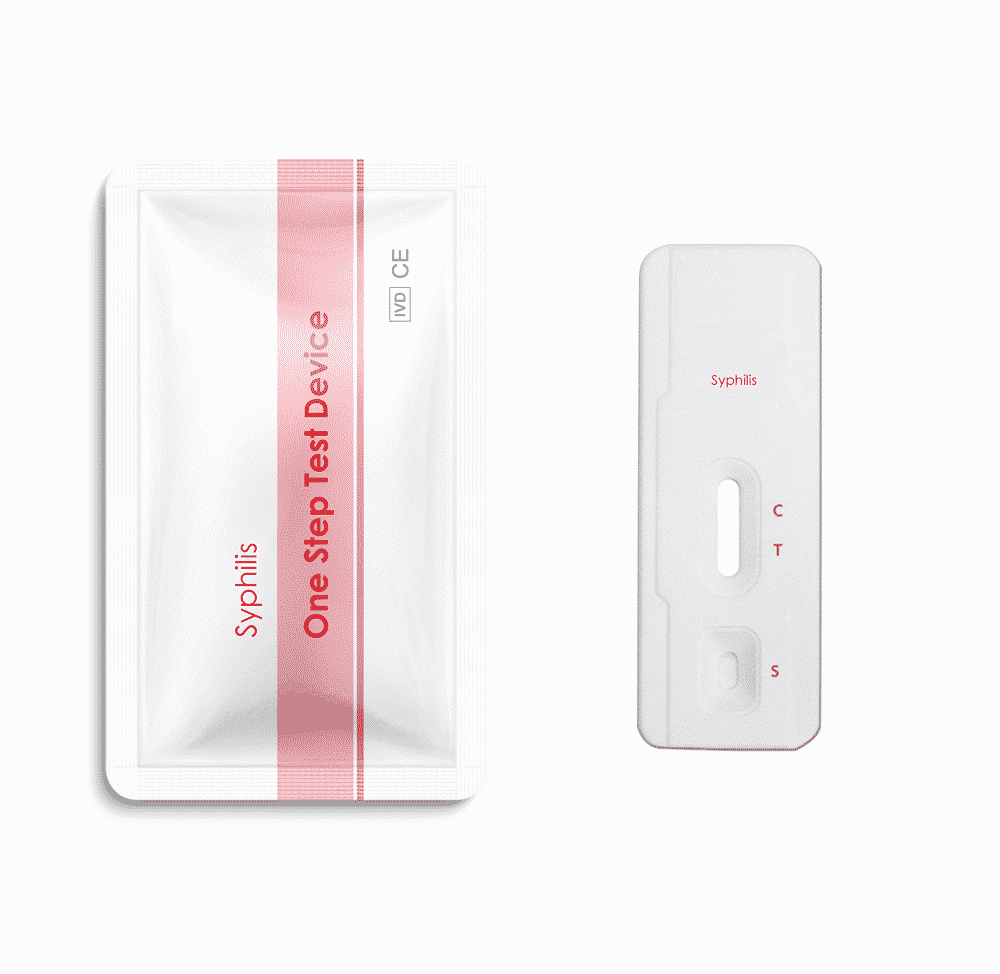
Syphilis Test Kit From One Step
This extremely common bacterial infection is a serious issue for many. 90% of all cases are recorded in developing countries, most of which are in Africa. Syphilis affects more than 1 million pregnancies every year. If left untreated, it can cause stillbirths and spontaneous abortions. In fact, in the Sub-Saharan African region, syphilis is the main reason for 20% of fetus deaths (perinatal death).
Common Signs of Syphilis
The first sign of this infection is a small, slightly uncomfortable sore. This sore affects the rectum, reproductive organs, and mouth. However, it is not painful at all.
After two or three weeks after the bacterial infection has manifested, some people can experience multiple different symptoms. But, because of how common they might look, many will end up completely ignoring the signs and leaving the infection to further rest in the system.
Here are the most common signs of syphilis:
Fatigue
Hair loss
Fever
Slight sore in the mouth, anus, genitals
Red rash (most commonly experienced on the bottom of the feet or palms)
Headaches
Swollen glands
Unexplained weight loss
This is a very tricky infection to diagnose. Some people may not experience symptoms for years after they have been infected.
The Different Stages of Syphilis
Syphilis is not as simple as it looks. There are four different stages of this infection, each with its own effect on the overall health. These stages are:
Primary
Secondary
Latent
Tertiary
The easiest stage to transfer the infection to someone else is during the first two stages. The third stage is the hidden stage. Many people in this stage don?t experience symptoms; however, the disease remains fully active. The last stage is the most destructive one. People in this stage risk blindness, heart issues, memory loss, and even death.
How Do You Get Infected?
The only way to get infected is to have direct contact with an infected fluid like semen or vaginal fluid. However, eating from someone?s utensils, drinking from another person?s glass, and exchanging clothing can?t transmit the infection.
Why Do You Need to Get Tested?
If you?ve had unprotected intercourse with someone you suspect has multiple partners, you might be exposed to this bacterial infection. For pregnant women, it?s paramount to get tested since they can transmit the infection to their unborn child or face complications during pregnancy. If the infection is left untreated for an extended period, it can have deadly consequences for the fetus. If you don?t get tested on time, you risk developing HIV, infertility, or perinatal death.


















![ANTI D TITRE – [Serum]](https://app.analysisafrica.com/backend/uploads/tests/images/1754385122_6891cae238432.jpg)

















 No products in the cart.