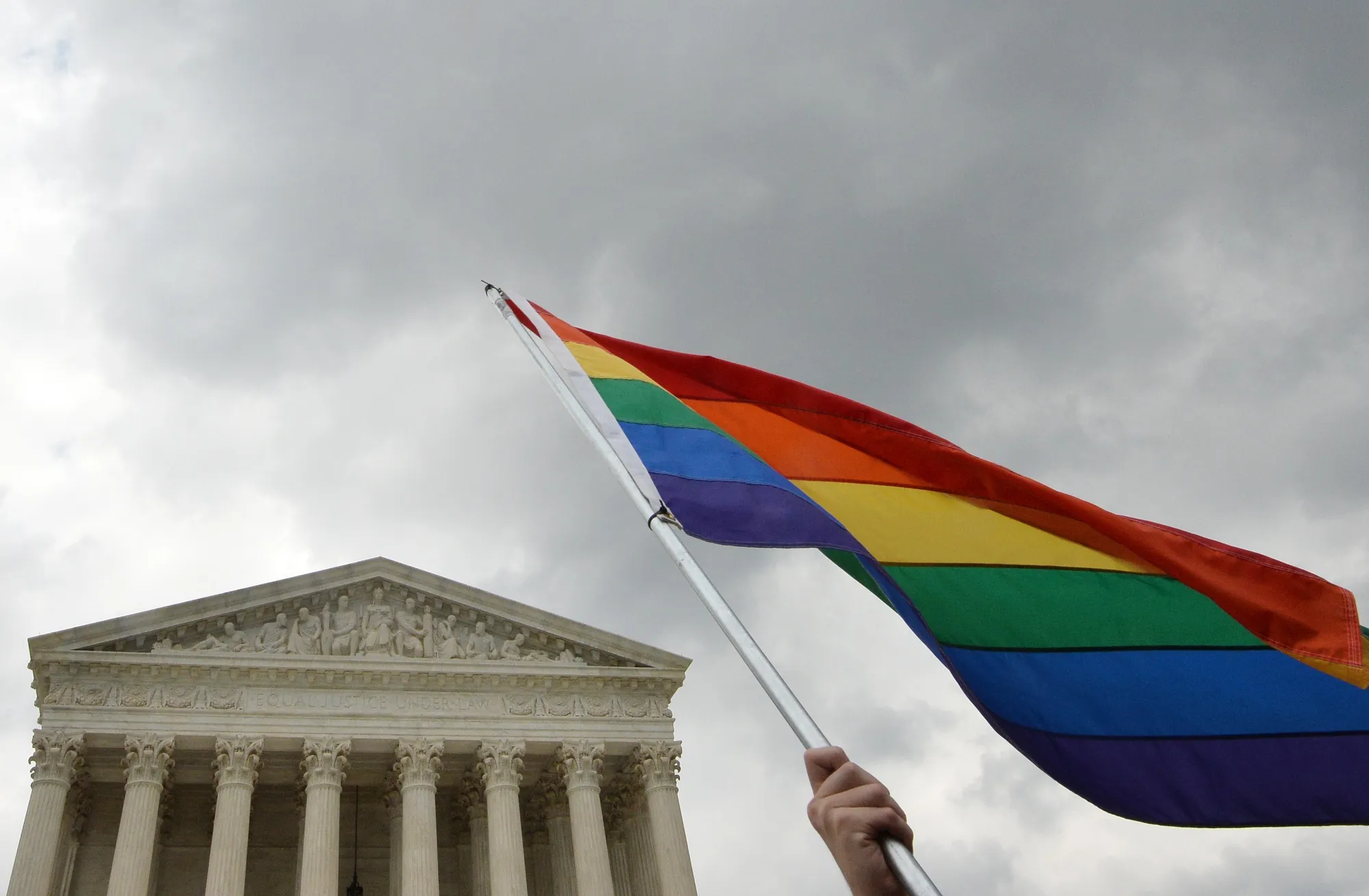
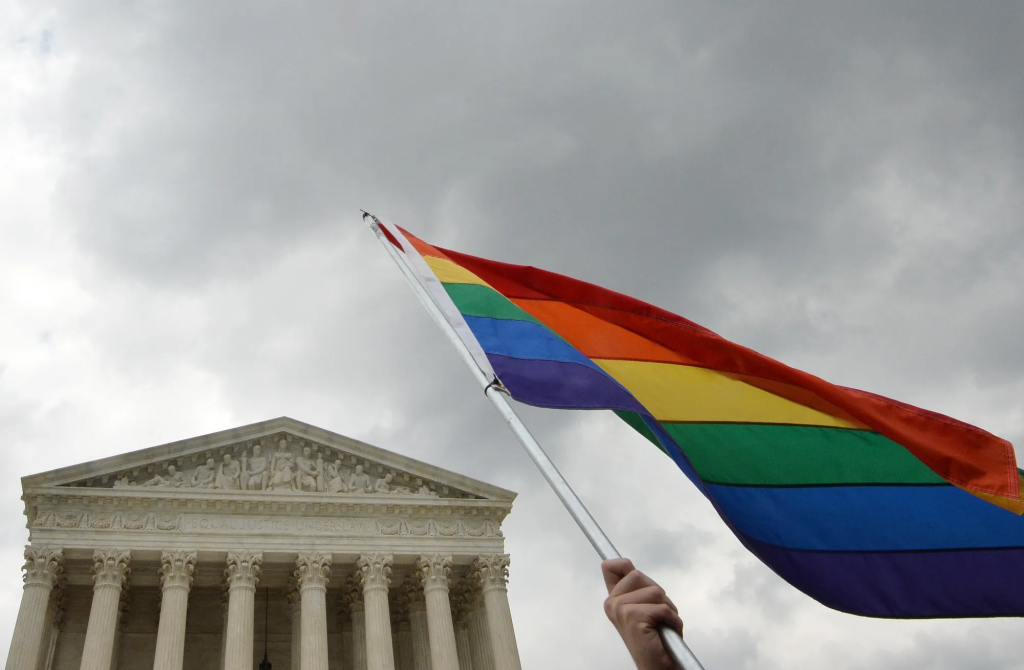
What happened at The Supreme Court
- The challenge came from Kim Davis, a former Kentucky county clerk who refused to issue marriage licenses to same-sex couples and was eventually ordered to pay hundreds of thousands of dollars in damages.
- Davis sought to use her case to force the Court to revisit Obergefell v. Hodges (2015), the decision that legalized marriage for same-sex couples nationwide.
- On Monday, November 10, the Court quietly refused to take the case—no justice dissented, no opinion was issued. The ruling stands untouched.
- Importantly: although a conservative majority currently sits on the court, this refusal suggests the justices are not presently willing to overturn same-sex marriage rights, even as they have recently rolled back other precedents.
Why this matters
- It reaffirms the legality of same-sex marriage in all 50 states. States cannot re-ban or refuse recognition based solely on marriage equality precedent.
- The decision signals that some landmark rulings (like Obergefell) carry inertia—especially when many people rely on them for their lives, homes and families. Justice Amy Coney Barrett has acknowledged this in previous comments.
- The Court’s refusal also shows how it is choosing its moment: even with a majority conservative bench, the justices appear cautious about revisiting social-institution cases that have become deeply embedded.
- For same-sex couples, this brings stability and reassurance: their rights remain protected under current law.
- For opponents of the ruling, the move is a setback—they’ll now need to seek change via legislation or state constitutions, not simply wait for the Court.
ADS: Shop from 400,000+ Cheap Products
-

Hydrochloric acid
₦9,000.00 -

Pregnacare Before Conception 30 Tablets
₦22,704.00 -

3 Neck Boiling Flask 500ml
₦6,000.00 -

XRF Analysis
₦7,000.00
Key takeaways from The Supreme Court
1. Precedent still strong
The Obergefell decision is still the controlling law of the land. This case reaffirmation underscores that status.
2. Religious-liberty arguments remain alive
Although the marriage right stands, the Court’s docket may still see cases on religious objections, how they interact with laws on equality, and how far officials can refuse duties in marriage licensing.
3. Strategy shifts for opponents
With the Court declining this case, challengers may turn to state laws, lobbying, or new angles—rather than relying solely on a change from the Supreme Court.
4. Timing and signal are important
No public dissent or separate opinion may indicate that the Court did not want to signal a shift now—possibly weighing other priorities or avoiding major social-upheaval cases.
FAQs on The Supreme Court
Q: Does this mean same-sex marriage is safe forever?
A: It means current protections hold under federal law. But future cases and shifting legal questions (religious liberty, licensing, recognition) could still challenge aspects.
Q: Why didn’t the Court issue an opinion?
A: When the Court rejects a petition without comment or opinion, it means no majority chose to address the case. It does not necessarily signal unanimity of reasoning—but it does mean no regime change now.
Q: What was the argument for overturning Obergefell?
A: In this case, claimants argued religious freedom and free-exercise rights should allow an official to refuse duties for same-sex couples. They sought a path to revisit Obergefell’s underlying reasoning. ABC7 Los Angeles
Q: Does this affect state laws?
A: Yes. Because the Court held in 2015 that states cannot ban same-sex marriage, this refusal means states remains bound by that ruling. They cannot enact new bans simply based on dissenters’ wishes.
Happening Now!!!
- Where to Buy Laboratory Equipment Online in Nigeria (2026 Best Trusted Suppliers)
- Nigeria Travel Restrictions: What’s Really Going On and What Travelers Need to Know.
- Ukraine Claims Underwater Drone Attack on Russian Submarine in Black Sea Port
- Aisha Buhari Trends Online: Why Her Recent Comments Have Nigerians Talking
- Best Buy 2025: What’s New


 No products in the cart.