On Monday, 20 October 2025, Abuja’s streets turned chaotic as security forces moved to disperse a demonstrator-led march calling for the release of Nnamdi Kanu, leader of the separatist group Indigenous People of Biafra (IPOB). Police deployed tear-gas, water-cannons and electric barricades, while dozens of protesters and journalists were arrested.
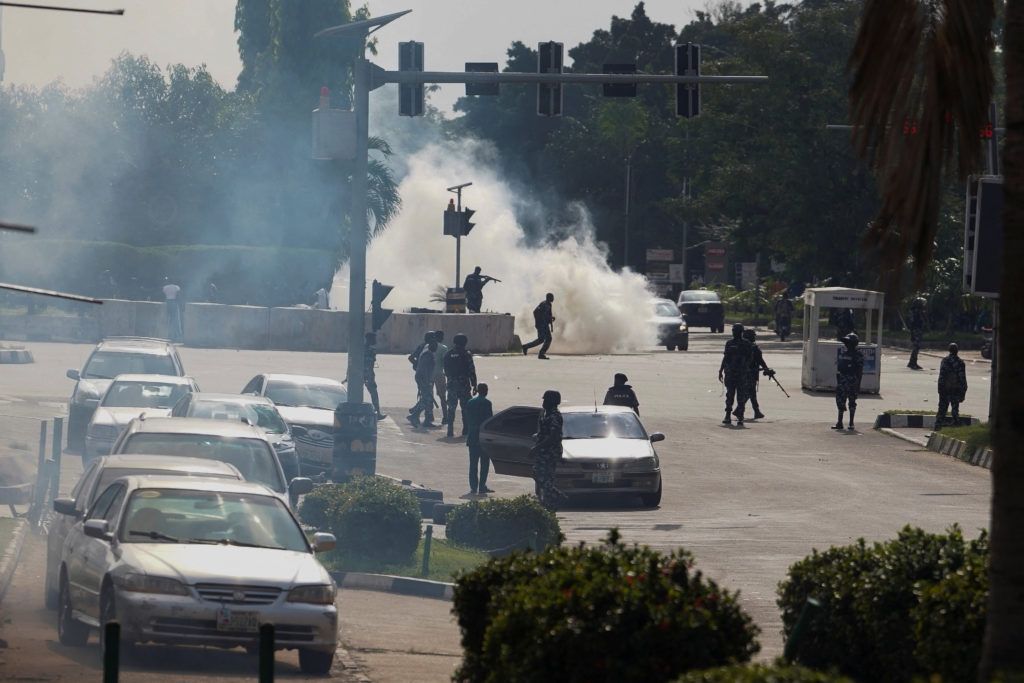
Meanwhile, in Nigeria’s South-East region (states such as Enugu, Anambra, Imo, Abia and Ebonyi) a mass “sit-at-home” action came into effect: shops shuttered, markets emptied and transport routes stalled in solidarity with the #FreeNnamdiKanu campaign.
Why this Protest matters
Kanu, who is currently detained and faces terrorism and treasonable-felony charges, has become a focus of deep-seated political and regional tensions. Many in the South-East view his continued detention as emblematic of injustice and marginalisation. The dramatic response from both protesters and security forces showcases the volatile mix of protest rights, state security and regional grievance.
#FreeNnamdiKanu Key events & escalation
- Protesters gathered early-morning in Abuja, targeting locations such as Unity Fountain and the Transcorp Hilton junction in Maitama.
- As they attempted to move toward high-security zones (including the Presidential Villa/Three-Arms Zone), police and military teams blocked major roads, set up barricades and used tear-gas and live-rounds in the air to disperse crowds.
- In the South-East, business and commuter life came to a near halt: markets locked, roads empty, schools and offices closed in a bid to amplify the protest.
ADS: Shop from 400,000+ Cheap Products
-
Hydrochloric acid
₦9,000.00 -

Pregnacare Before Conception 30 Tablets
₦22,704.00 -
3 Neck Boiling Flask 500ml
₦6,000.00 -

XRF Analysis
₦7,000.00
Voices from the #FreeNnamdiKanu Protest
- One shop-owner in Abuja told reporters: “We are not protesters. We were inside our shops when the tear-gas started and the bullets were fired. Many people just locked up and ran.”
- Activist Omoyele Sowore addressed the crowd: “Free Nnamdi Kanu now! This is not a tribal issue… It is a social-justice issue.” He warned of a larger movement brewing if Kanu remained in custody.
- Security forces defended their actions, citing a court order banning protests near the Presidential Villa and other high-security zones. The police said they acted lawfully.
Who is Nnamdi Kanu?
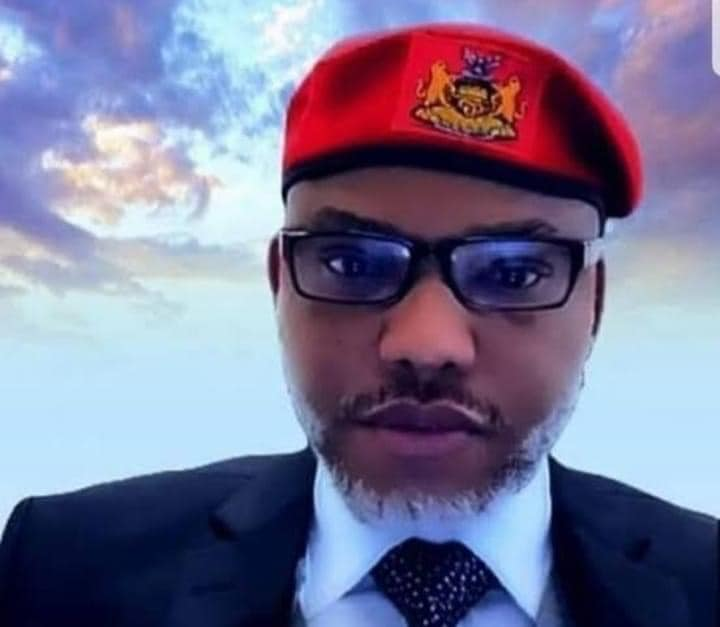
- Nnamdi Kanu is the leader of IPOB, a movement advocating for independence of Nigeria’s South-East (where many Igbo people live).
- He was first arrested in 2015, granted bail in 2017, fled the country, then was re-arrested in 2021 under controversial circumstances.
- His legal fight has spanned years: he is charged with terrorism and treasonable felony; supporters argue his detention violates court rulings and democratic norms.
Regional impact
- The “shutdown” in the South-East signals how deeply Kanu’s case resonates with local populations. When large swathes of economy and society halt in solidarity, it tells of frustration and unrest.
- The crackdown in Abuja shows the state’s readiness to respond when protests challenge national symbols or high-security areas. The use of tear-gas, live-fire in air, and roadblocks underlines the high stakes.
- For Nigeria’s wider democracy: the incident raises questions about rights of peaceful protest, the balance of security vs civil liberties, and how regional grievances translate into national crisis.
FAQs on the #FreeNnamdiKanu Protest
Q: Why did the police disperse the #FreeNnamdiKanu protest in Abuja?
A: The police said a court order barred demonstrations near sensitive areas such as the Presidential Villa, and they used tear-gas and other measures when protesters sought to proceed.
Q: Why did the South-East shut down in support of Kanu?
A: Residents complied with a “sit-at-home” solidarity action tied to the #FreeNnamdiKanu campaign; many believe his detention reflects unfair political treatment of their region.
Q: What are the charges against Nnamdi Kanu?
A: He is facing terrorism and treasonable-felony charges, and has remained in custody since June 2021 despite supporters noting a 2022 Court of Appeal verdict that discharged and acquitted him.
Read these too..
- Where to Buy Laboratory Equipment Online in Nigeria (2026 Best Trusted Suppliers)
- Nigeria Travel Restrictions: What’s Really Going On and What Travelers Need to Know.
- Ukraine Claims Underwater Drone Attack on Russian Submarine in Black Sea Port
- Aisha Buhari Trends Online: Why Her Recent Comments Have Nigerians Talking
- Best Buy 2025: What’s New


 No products in the cart.