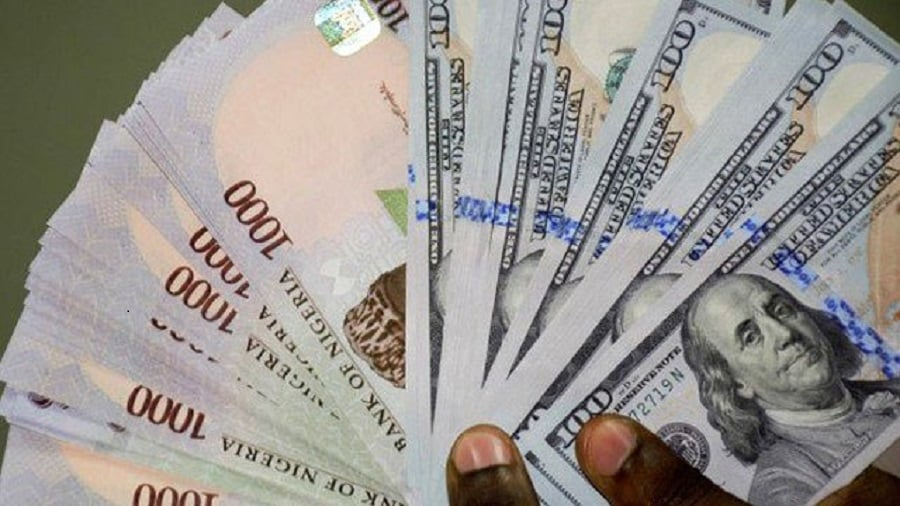
The latest numbers
- On November 6, Naira weakens at around ₦1,438.49/$1 in the official Nigerian Foreign Exchange Market (NAFEM), up from ₦1,433.65 the day before—meaning a drop in naira value of about 0.3%.
- In the parallel or “black” market, the naira slipped to about ₦1,460/$1, a 1.4% decline from around ₦1,440 the previous day.
- Meanwhile, other reports say the naira is trading somewhere between ₦1,445 and ₦1,460/$1 in some sectors as of early November.
Why the Naira weakens
1. Dollar scarcity & stronger demand
The demand for U.S. dollars in Nigeria remains high—businesses importing goods, individuals paying for education or travel overseas, and speculators betting on further naira weakness all push demand up.
Also, when dollars are hard to access (low supply), the naira tends to slide.
2. Liquidity issues in FX markets
The Central Bank of Nigeria (CBN) reports slower liquidity in foreign-exchange windows, which means fewer dollars flow into the market just when demand is still high.
3. External and internal economic shocks
Global financial tensions, fluctuating oil prices (Nigeria is an oil exporter), and currency speculation all add to volatility. One analysis finds that negative shocks often lead to sharper drops in the naira than positive shocks do in gains.
4. Inflation & import pressure
Since many goods and services are priced in dollars, when the naira weakens, imports cost more, imports are needed more, and inflation accelerates—creating a vicious cycle.
What this means for ordinary Nigerians
- Higher costs of living. A weaker currency means imported goods (electronics, medications, vehicles) get more expensive in naira terms.
- More expensive travel and study overseas. Anyone paying in dollars sees their naira go less far.
- Business challenges. Companies that rely on imported raw materials or equipment face cost hikes, which may lead to higher prices or cutbacks.
- Savings risk. If wages don’t keep up with the exchange‐rate slide and inflation, people effectively earn less in real terms.
- Financial policy silence. The CBN and government may intervene or adjust policy, but such moves take time. Until that happens, currency risk remains high.
ADS: Shop from 400,000+ Cheap Products
-

Hydrochloric acid
₦9,000.00 -

Pregnacare Before Conception 30 Tablets
₦22,704.00 -
3 Neck Boiling Flask 500ml
₦6,000.00 -

XRF Analysis
₦7,000.00
What to keep an eye on (for future trends)
- CBN policy moves. Does the central bank inject more foreign currency, raise rates, or implement currency controls? These actions will affect the naira’s direction.
- Oil price and export revenue. As Nigeria earns more foreign currency from oil exports, pressure on the naira eases a bit—so global oil shifts matter.
- Import activity and dollar flows. If imports slow down or remittances rise, that can boost dollar availability and stabilize the naira.
- Inflation statistics. If inflation remains high or worsens, the pressure on the naira deepens.
- Parallel market vs official market spreads. A large gap between the black-market rate and the official rate signals stress and potential for big jumps in forex cost.
FAQs on Naira weakens
Q: How much is the naira worth today vs the dollar?
A: In official market windows, the rate was around ₦1,438/$1; in the parallel market, around ₦1,460/$1 as of November 6, 2025.
Q: Has the naira ever been stronger or weaker?
A: Yes. The naira has been much stronger in the past; recent years have seen bigger swings and weaker levels. Historical data from 2023-24 show big drops.
Q: Does a weaker naira ever help an economy?
A: It can, if exports rise and local goods get competitive abroad. One analysis argues the devaluation offers opportunity if managed well.
Q: What can individuals do?
A: Consider focusing on local production/consumption, delay major imports if possible, track inflation and currency moves, and diversify savings or earnings if possible.
Happening Now!!!
- Where to Buy Laboratory Equipment Online in Nigeria (2026 Best Trusted Suppliers)
- Nigeria Travel Restrictions: What’s Really Going On and What Travelers Need to Know.
- Ukraine Claims Underwater Drone Attack on Russian Submarine in Black Sea Port
- Aisha Buhari Trends Online: Why Her Recent Comments Have Nigerians Talking
- Best Buy 2025: What’s New


 No products in the cart.